Kathmandu, August 27, 2026: Nepal is facing one of its most devastating natural disasters in recent years after catastrophic flash floods swept through communities along the Nepal-China border, killing hundreds of people and leaving more than 1,000 missing.
The disaster struck on Wednesday, August 26, after a massive collapse of ice and rock in the Himalayan region triggered a sudden surge of water, mud and debris. The floodwaters rushed through river valleys in northern Nepal before affecting downstream communities along the Bhote Koshi and Trishuli rivers.
The National Disaster Risk Reduction and Management Authority reported that 165 bodies had been recovered in Nepal by Thursday, while hundreds of people remained unaccounted for. However, international reports citing updated figures from officials put the combined death toll in Nepal and China significantly higher as search and recovery operations continued. The figures are changing rapidly as authorities reach previously inaccessible areas.
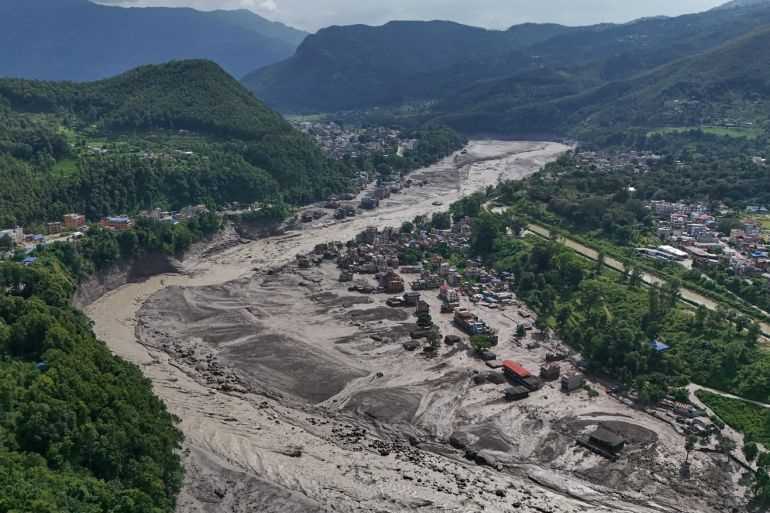
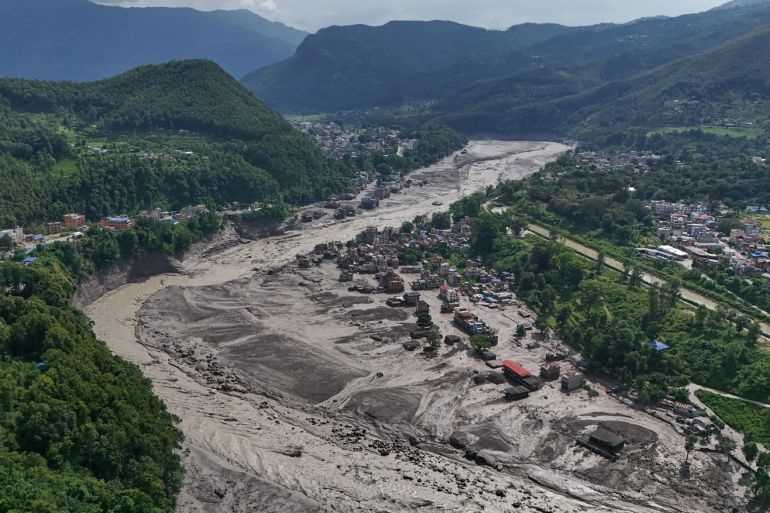
The worst-hit areas include Rasuwa, Nuwakot and several districts along the Trishuli and Bhote Koshi river systems. Entire settlements have been severely damaged, while roads, bridges, vehicles and other infrastructure were swept away by the force of the flood.
According to Radio Nepal, around 40 kilometres of roads have been damaged, along with 35 motorable bridges and 45 suspension bridges. The destruction has severely complicated rescue operations and cut off several affected communities.
The disaster has also affected tourists and foreign nationals travelling through the Himalayan border region. Nepal's Tourism Board said 579 tourists, including 466 foreign nationals, remained unaccounted for as of Thursday. Several foreign visitors and pilgrims were in the region when the floods struck.
Rescue teams from the Nepal Army, Nepal Police and Armed Police Force have been deployed across the affected areas. Helicopters are being used to reach isolated communities, evacuate survivors and transport emergency supplies.
Nepal Army helicopters have already rescued more than 120 people from the Timure area of Rasuwa, including Nepali and foreign nationals. Rescue teams are continuing to search damaged settlements and river corridors for people who may still be trapped or stranded.
The scale of the disaster has also affected security personnel. Nepalese authorities reported that dozens of members of the security forces deployed in the affected areas were missing, including personnel from the Nepal Army, Nepal Police and Armed Police Force.
The floods caused widespread destruction on both sides of the Nepal-China border. In China's Tibet region, the town of Gyirong and the important Gyirong Port area were also badly affected. Chinese authorities have reported deaths and hundreds of missing people, including foreign nationals.
Initial reports suggested that an earthquake may have been associated with the disaster. However, subsequent geological assessments indicated that the main trigger was a glacial or ice-rock collapse that sent a huge volume of water, rock and sediment into the river system. The resulting debris flow travelled rapidly through the mountainous terrain and produced a destructive flood surge.
Experts say the disaster highlights the growing risks faced by communities in the Himalayan region. Rising temperatures are contributing to glacier retreat and can increase instability in high-altitude areas. Scientists have warned that glacier-related hazards, including sudden floods and landslides, could become an increasing threat as the region warms.
The destruction of roads and bridges has become one of the biggest obstacles for rescue workers. Several affected areas can only be reached by helicopter or through difficult mountain routes. Poor communications in some locations have also made it difficult for authorities to establish the whereabouts of missing people.
Authorities are also monitoring the possibility of further flooding. Debris from the disaster has obstructed parts of the river system, raising concerns about additional water accumulation and the possibility of another sudden release. Officials have urged people in vulnerable downstream areas to remain alert.
India has also moved to assist Nepal following the disaster. Relief supplies have been dispatched as authorities work to support rescue and emergency response operations. Indian nationals are among those reported missing from the affected region, adding urgency to efforts to establish contact with people travelling near the Nepal-China border.
The immediate priorities for Nepal are locating missing people, evacuating survivors, restoring communications and road connectivity, providing medical assistance, and delivering food, drinking water and shelter to displaced families.
The disaster has left large stretches of the affected river corridors covered in mud and debris. As rescue workers continue their operations, authorities warn that the full scale of the destruction may become clear only after teams reach isolated communities and damaged mountain settlements.
With hundreds of people still unaccounted for and difficult terrain slowing rescue efforts, Nepal's emergency response remains focused on finding survivors and preventing further loss of life. The rapidly changing casualty figures underline the uncertainty surrounding the disaster, while rescue teams continue working in hazardous conditions across the flood-hit Himalayan region.

Kathmandu, August 27, 2026: Nepal is facing one of its most devastating natural disasters in recent years after catastrophic flash floods swept through communities along the Nepal-China border, killing hundreds of people and leaving more than 1,000 missing.
The disaster struck on Wednesday, August 26, after a massive collapse of ice and rock in the Himalayan region triggered a sudden surge of water, mud and debris. The floodwaters rushed through river valleys in northern Nepal before affecting downstream communities along the Bhote Koshi and Trishuli rivers.
The National Disaster Risk Reduction and Management Authority reported that 165 bodies had been recovered in Nepal by Thursday, while hundreds of people remained unaccounted for. However, international reports citing updated figures from officials put the combined death toll in Nepal and China significantly higher as search and recovery operations continued. The figures are changing rapidly as authorities reach previously inaccessible areas.
The worst-hit areas include Rasuwa, Nuwakot and several districts along the Trishuli and Bhote Koshi river systems. Entire settlements have been severely damaged, while roads, bridges, vehicles and other infrastructure were swept away by the force of the flood.
According to Radio Nepal, around 40 kilometres of roads have been damaged, along with 35 motorable bridges and 45 suspension bridges. The destruction has severely complicated rescue operations and cut off several affected communities.
The disaster has also affected tourists and foreign nationals travelling through the Himalayan border region. Nepal's Tourism Board said 579 tourists, including 466 foreign nationals, remained unaccounted for as of Thursday. Several foreign visitors and pilgrims were in the region when the floods struck.
Rescue teams from the Nepal Army, Nepal Police and Armed Police Force have been deployed across the affected areas. Helicopters are being used to reach isolated communities, evacuate survivors and transport emergency supplies.
Nepal Army helicopters have already rescued more than 120 people from the Timure area of Rasuwa, including Nepali and foreign nationals. Rescue teams are continuing to search damaged settlements and river corridors for people who may still be trapped or stranded.
The scale of the disaster has also affected security personnel. Nepalese authorities reported that dozens of members of the security forces deployed in the affected areas were missing, including personnel from the Nepal Army, Nepal Police and Armed Police Force.
The floods caused widespread destruction on both sides of the Nepal-China border. In China's Tibet region, the town of Gyirong and the important Gyirong Port area were also badly affected. Chinese authorities have reported deaths and hundreds of missing people, including foreign nationals.
Initial reports suggested that an earthquake may have been associated with the disaster. However, subsequent geological assessments indicated that the main trigger was a glacial or ice-rock collapse that sent a huge volume of water, rock and sediment into the river system. The resulting debris flow travelled rapidly through the mountainous terrain and produced a destructive flood surge.
Experts say the disaster highlights the growing risks faced by communities in the Himalayan region. Rising temperatures are contributing to glacier retreat and can increase instability in high-altitude areas. Scientists have warned that glacier-related hazards, including sudden floods and landslides, could become an increasing threat as the region warms.
The destruction of roads and bridges has become one of the biggest obstacles for rescue workers. Several affected areas can only be reached by helicopter or through difficult mountain routes. Poor communications in some locations have also made it difficult for authorities to establish the whereabouts of missing people.
Authorities are also monitoring the possibility of further flooding. Debris from the disaster has obstructed parts of the river system, raising concerns about additional water accumulation and the possibility of another sudden release. Officials have urged people in vulnerable downstream areas to remain alert.
India has also moved to assist Nepal following the disaster. Relief supplies have been dispatched as authorities work to support rescue and emergency response operations. Indian nationals are among those reported missing from the affected region, adding urgency to efforts to establish contact with people travelling near the Nepal-China border.
The immediate priorities for Nepal are locating missing people, evacuating survivors, restoring communications and road connectivity, providing medical assistance, and delivering food, drinking water and shelter to displaced families.
The disaster has left large stretches of the affected river corridors covered in mud and debris. As rescue workers continue their operations, authorities warn that the full scale of the destruction may become clear only after teams reach isolated communities and damaged mountain settlements.
With hundreds of people still unaccounted for and difficult terrain slowing rescue efforts, Nepal's emergency response remains focused on finding survivors and preventing further loss of life. The rapidly changing casualty figures underline the uncertainty surrounding the disaster, while rescue teams continue working in hazardous conditions across the flood-hit Himalayan region.
© Copyright 2023 brighterkashmir.com All Rights Reserved. Quantum Technologies