07-10-2026     3 رجب 1440

Amarnath Yatra a Boon for Kashmir

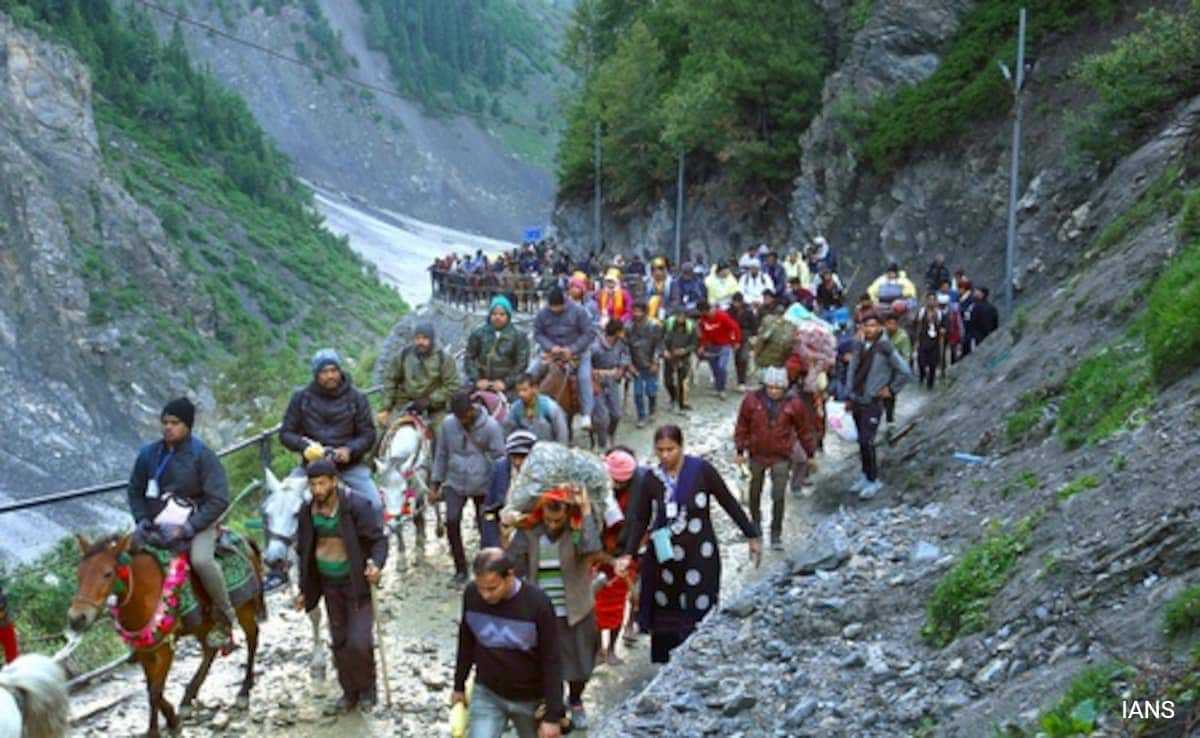
The pilgrimage also gives a significant boost to tourism in the region. Many devotees choose to extend their visit by exploring Kashmir's breathtaking landscapes, including its famous lakes, gardens, valleys and historic sites

July 10, 2026 | Sajid Sultan

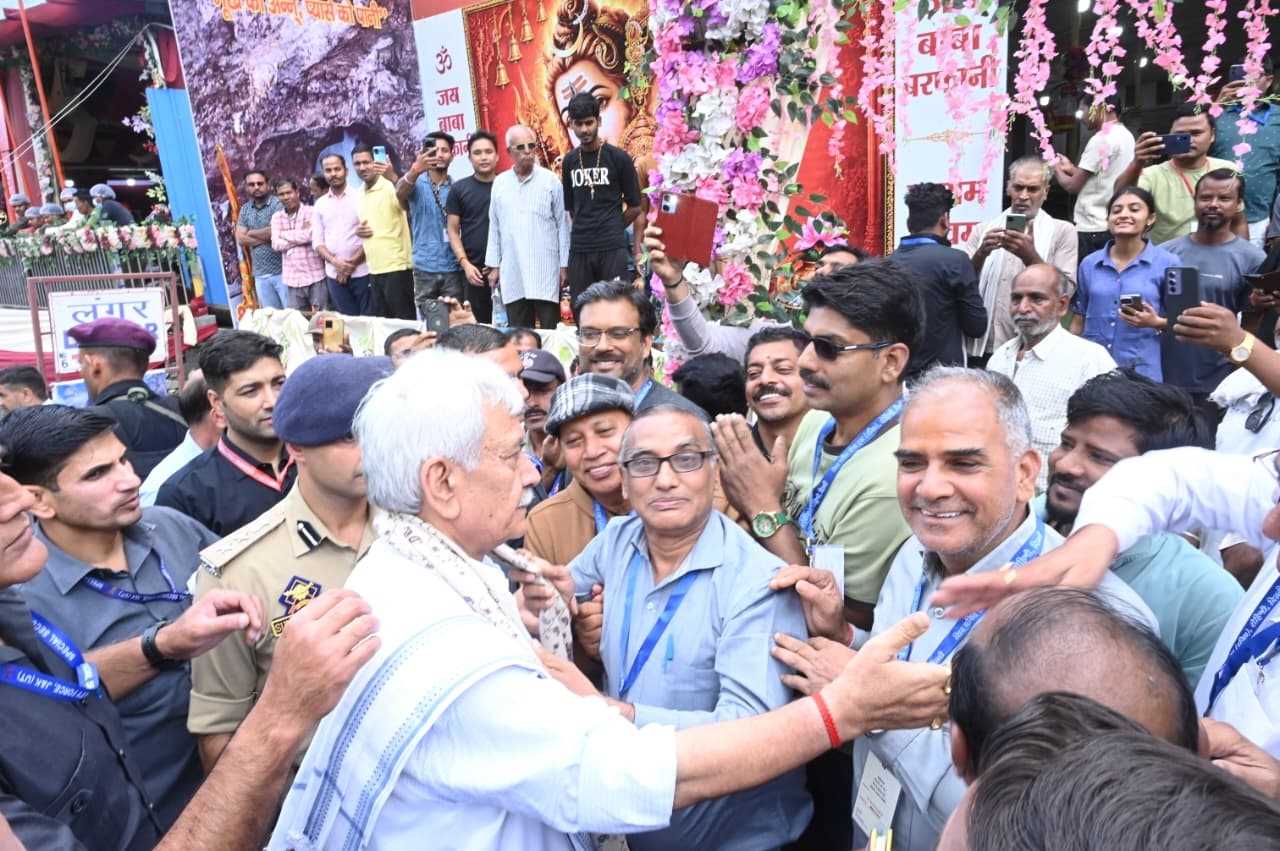
The Amarnath Yatra is one of India's most sacred and revered pilgrimages, drawing thousands of devotees every year to the holy Amarnath Cave nestled in the majestic Himalayas of Jammu and Kashmir. The naturally formed ice Shiva Lingam, believed to represent Lord Shiva, inspires people from across the country and even abroad to undertake this challenging yet deeply spiritual journey. While the Yatra is primarily an expression of faith and devotion, its significance goes far beyond religion. Over the years, it has become an important driver of economic growth, tourism, infrastructure development and social harmony, making it a valuable asset for the people of Kashmir.
One of the most visible benefits of the Amarnath Yatra is its positive impact on the local economy. During the pilgrimage season, the arrival of thousands of devotees creates numerous livelihood opportunities for local residents. Taxi drivers, pony handlers, porters, shopkeepers, tent operators, guides and small vendors witness a sharp increase in business. Hotels, guest houses, restaurants and transport services also experience high demand, generating substantial income. For many families in Kashmir, the Yatra season provides a major share of their annual earnings, helping them support their households and improve their quality of life. The steady flow of visitors injects fresh energy into the local economy and benefits businesses of every size.
The pilgrimage also gives a significant boost to tourism in the region. Many devotees choose to extend their visit by exploring Kashmir's breathtaking landscapes, including its famous lakes, gardens, valleys and historic sites. This not only increases tourist spending but also creates new opportunities for the hospitality, travel and handicraft sectors. Visitors who return home with memorable experiences often become ambassadors for Kashmir, encouraging friends and family to visit. Such positive word-of-mouth strengthens the region's image as a welcoming and attractive destination, contributing to long-term tourism growth.
Another lasting contribution of the Amarnath Yatra is the improvement of infrastructure. Every year, authorities undertake extensive preparations to ensure the smooth movement and safety of pilgrims. Roads are upgraded, bridges are strengthened, communication networks are improved and healthcare facilities are enhanced along the pilgrimage routes. These developments continue to benefit local communities long after the Yatra concludes. Better roads and connectivity improve access to schools, hospitals, markets and essential services, especially for people living in remote areas of the region. In this way, infrastructure created for the pilgrimage also supports the broader development of Kashmir.
Beyond economic and physical development, the Amarnath Yatra plays an important role in strengthening social harmony and national integration. People from different states, cultures, languages and backgrounds come together with a common purpose, creating opportunities for mutual understanding and respect. Local residents warmly welcome pilgrims by offering transport, accommodation, food and other essential services, reflecting Kashmir's tradition of hospitality. These interactions help build trust, promote cultural exchange, and reinforce the feeling that India's diversity is also its greatest strength.
The Yatra also provides visitors with an opportunity to experience the rich cultural heritage of Kashmir. From traditional cuisine and local handicrafts to music and everyday customs, pilgrims gain a deeper appreciation of the Valley's unique identity. Local artisans benefit from increased demand for handcrafted products such as Pashmina shawls, carpets, papier-mâché items and walnut wood carvings. This not only boosts their livelihoods but also helps preserve centuries-old traditions that form an important part of Kashmir's cultural legacy.
The successful conduct of the Yatra is made possible through the dedicated efforts of the security forces, civil administration, healthcare professionals and thousands of volunteers. Working under challenging weather conditions and difficult terrain, they ensure the safety and well-being of pilgrims throughout the journey.
Medical camps, emergency response teams, rescue services, and communication facilities are established along the route to provide timely assistance whenever needed. Their coordinated efforts demonstrate the region's ability to efficiently manage one of the country's largest and most demanding annual pilgrimages.
In recent years, environmental conservation has also become an important focus of the Amarnath Yatra. Government agencies, local organisations and volunteers have taken several initiatives to promote responsible tourism. Cleanliness drives, proper waste management and awareness campaigns encourage pilgrims to protect the fragile Himalayan ecosystem. These efforts aim to ensure that the natural beauty and ecological balance of the region are preserved while allowing future generations to continue this sacred tradition.
The Amarnath Yatra is much more than a religious pilgrimage. It is a powerful force for economic development, tourism, cultural preservation, infrastructure growth and national unity. It provides livelihoods to thousands of families, strengthens local businesses, improves public facilities and showcases the warmth and hospitality of the people of Kashmir. Most importantly, it brings together people from every corner of the country, reminding us that faith has the power to unite beyond all differences. As the chants of "Har Har Mahadev" echo through the Himalayas each year, the Amarnath Yatra continues to stand as a symbol of devotion, resilience, harmony and shared progress, making it a true boon for Kashmir.

Amarnath Yatra a Boon for Kashmir

The pilgrimage also gives a significant boost to tourism in the region. Many devotees choose to extend their visit by exploring Kashmir's breathtaking landscapes, including its famous lakes, gardens, valleys and historic sites

July 10, 2026 | Sajid Sultan

The Amarnath Yatra is one of India's most sacred and revered pilgrimages, drawing thousands of devotees every year to the holy Amarnath Cave nestled in the majestic Himalayas of Jammu and Kashmir. The naturally formed ice Shiva Lingam, believed to represent Lord Shiva, inspires people from across the country and even abroad to undertake this challenging yet deeply spiritual journey. While the Yatra is primarily an expression of faith and devotion, its significance goes far beyond religion. Over the years, it has become an important driver of economic growth, tourism, infrastructure development and social harmony, making it a valuable asset for the people of Kashmir.
One of the most visible benefits of the Amarnath Yatra is its positive impact on the local economy. During the pilgrimage season, the arrival of thousands of devotees creates numerous livelihood opportunities for local residents. Taxi drivers, pony handlers, porters, shopkeepers, tent operators, guides and small vendors witness a sharp increase in business. Hotels, guest houses, restaurants and transport services also experience high demand, generating substantial income. For many families in Kashmir, the Yatra season provides a major share of their annual earnings, helping them support their households and improve their quality of life. The steady flow of visitors injects fresh energy into the local economy and benefits businesses of every size.
The pilgrimage also gives a significant boost to tourism in the region. Many devotees choose to extend their visit by exploring Kashmir's breathtaking landscapes, including its famous lakes, gardens, valleys and historic sites. This not only increases tourist spending but also creates new opportunities for the hospitality, travel and handicraft sectors. Visitors who return home with memorable experiences often become ambassadors for Kashmir, encouraging friends and family to visit. Such positive word-of-mouth strengthens the region's image as a welcoming and attractive destination, contributing to long-term tourism growth.
Another lasting contribution of the Amarnath Yatra is the improvement of infrastructure. Every year, authorities undertake extensive preparations to ensure the smooth movement and safety of pilgrims. Roads are upgraded, bridges are strengthened, communication networks are improved and healthcare facilities are enhanced along the pilgrimage routes. These developments continue to benefit local communities long after the Yatra concludes. Better roads and connectivity improve access to schools, hospitals, markets and essential services, especially for people living in remote areas of the region. In this way, infrastructure created for the pilgrimage also supports the broader development of Kashmir.
Beyond economic and physical development, the Amarnath Yatra plays an important role in strengthening social harmony and national integration. People from different states, cultures, languages and backgrounds come together with a common purpose, creating opportunities for mutual understanding and respect. Local residents warmly welcome pilgrims by offering transport, accommodation, food and other essential services, reflecting Kashmir's tradition of hospitality. These interactions help build trust, promote cultural exchange, and reinforce the feeling that India's diversity is also its greatest strength.
The Yatra also provides visitors with an opportunity to experience the rich cultural heritage of Kashmir. From traditional cuisine and local handicrafts to music and everyday customs, pilgrims gain a deeper appreciation of the Valley's unique identity. Local artisans benefit from increased demand for handcrafted products such as Pashmina shawls, carpets, papier-mâché items and walnut wood carvings. This not only boosts their livelihoods but also helps preserve centuries-old traditions that form an important part of Kashmir's cultural legacy.
The successful conduct of the Yatra is made possible through the dedicated efforts of the security forces, civil administration, healthcare professionals and thousands of volunteers. Working under challenging weather conditions and difficult terrain, they ensure the safety and well-being of pilgrims throughout the journey.
Medical camps, emergency response teams, rescue services, and communication facilities are established along the route to provide timely assistance whenever needed. Their coordinated efforts demonstrate the region's ability to efficiently manage one of the country's largest and most demanding annual pilgrimages.
In recent years, environmental conservation has also become an important focus of the Amarnath Yatra. Government agencies, local organisations and volunteers have taken several initiatives to promote responsible tourism. Cleanliness drives, proper waste management and awareness campaigns encourage pilgrims to protect the fragile Himalayan ecosystem. These efforts aim to ensure that the natural beauty and ecological balance of the region are preserved while allowing future generations to continue this sacred tradition.
The Amarnath Yatra is much more than a religious pilgrimage. It is a powerful force for economic development, tourism, cultural preservation, infrastructure growth and national unity. It provides livelihoods to thousands of families, strengthens local businesses, improves public facilities and showcases the warmth and hospitality of the people of Kashmir. Most importantly, it brings together people from every corner of the country, reminding us that faith has the power to unite beyond all differences. As the chants of "Har Har Mahadev" echo through the Himalayas each year, the Amarnath Yatra continues to stand as a symbol of devotion, resilience, harmony and shared progress, making it a true boon for Kashmir.


  • Address: R.C 2 Quarters Press Enclave Near Pratap Park, Srinagar 190001.
  • Phone: 0194-2451076 , +91-941-940-0056 , +91-962-292-4716
  • Email: brighterkmr@gmail.com
Owner, Printer, Publisher, Editor: Farooq Ahmad Wani
Legal Advisor: M.J. Hubi
Printed at: Sangermal offset Printing Press Rangreth ( Budgam)
Published from: Gulshanabad Chraresharief Budgam
RNI No.: JKENG/2010/33802
Office No’s: 0194-2451076
Mobile No’s 9419400056, 9622924716 ,7006086442
Postal Regd No: SK/135/2010-2019
POST BOX NO: 1001
Administrative Office: R.C 2 Quarters Press Enclave Near Pratap Park ( Srinagar -190001)

© Copyright 2023 brighterkashmir.com All Rights Reserved. Quantum Technologies

Owner, Printer, Publisher, Editor: Farooq Ahmad Wani
Legal Advisor: M.J. Hubi
Printed at: Abid Enterprizes, Zainkote Srinagar
Published from: Gulshanabad Chraresharief Budgam
RNI No.: JKENG/2010/33802
Office No’s: 0194-2451076, 9622924716 , 9419400056
Postal Regd No: SK/135/2010-2019
Administrative Office: Abi Guzer Srinagar

© Copyright 2018 brighterkashmir.com All Rights Reserved.