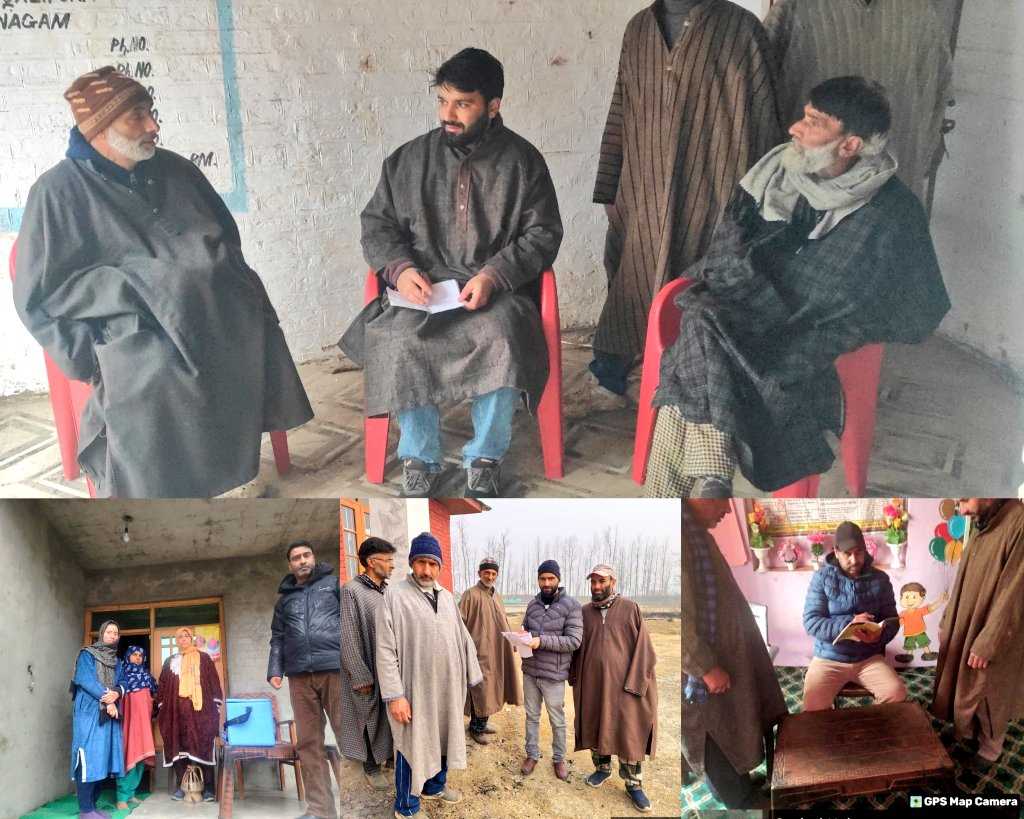
The phiran has a history that stretches back several centuries. Its design reflects both practical and aesthetic considerations. Traditionally made of wool or heavy cotton, the phiran is long, loose-fitting, and unisex, designed to trap body heat and keep the wearer warm in Kashmir’s harsh winters, which often bring temperatures below freezing. The garment’s loose design allows for layering, and its unrestrictive fit ensures comfort during long hours of indoor and outdoor activity.
The phiran, also spelled pheran, is more than just a garment; it is a living symbol of Kashmir’s cultural identity and a practical winter essential. With its loose, flowing silhouette and often elaborate embroidery, the phiran encapsulates centuries of tradition, craftsmanship, and adaptation to one of the most challenging climates in India. In recent years, it has gained popularity beyond the valley, becoming a fashion statement in major urban centers like Delhi, Mumbai, and Bengaluru. Yet, while the phiran’s appeal has grown globally, its roots remain firmly embedded in the socio-cultural and climatic context of Kashmir.
Origins and Evolution of the Phiran
The phiran has a history that stretches back several centuries. Its design reflects both practical and aesthetic considerations. Traditionally made of wool or heavy cotton, the phiran is long, loose-fitting, and unisex, designed to trap body heat and keep the wearer warm in Kashmir’s harsh winters, which often bring temperatures below freezing. The garment’s loose design allows for layering, and its unrestrictive fit ensures comfort during long hours of indoor and outdoor activity.
Over time, the phiran evolved into a culturally significant attire, transcending its practical utility. In Kashmir, wearing a phiran is often associated with respect, dignity, and social status. Intricate embroidery work, known as tilla or zari, became a hallmark of high-quality phirans, with artisans decorating collars, cuffs, and borders. These embellishments not only elevated the garment’s aesthetic appeal but also symbolized the wearer’s cultural sophistication.
The phiran is traditionally worn with a kasaba or trousers, and sometimes complemented by a taranga (headscarf) or a woolen pashmina shawl. While historically unisex, its adoption among women has become particularly prominent, with women often opting for more elaborately embroidered and brightly colored variants. The phiran’s evolution illustrates a blend of practical necessity, artistic craftsmanship, and cultural expression, making it both a garment and a statement.
The Phiran as a Winter Essential
Kashmir experiences one of the most severe winters in the Indian subcontinent. Snowfall is frequent, and daytime temperatures in certain regions can plummet below zero degrees Celsius. In this context, the phiran is indispensable. Its woolen fabric provides insulation, while its loose design allows for layering underneath, maximizing warmth without compromising mobility.
Unlike modern winter jackets or synthetic attire, the phiran allows the body to breathe, preventing excessive sweating while keeping the cold out. The length of the garment, often extending below the knees, offers additional protection against snow, wind, and frost. Its durability and adaptability make it a preferred choice among both men and women, particularly in rural and semi-urban areas where modern heating solutions may be unavailable.
The phiran’s significance as a winter essential is also reflected in cultural practices. During festivals such as Navroz (the Kashmiri New Year) and Eid, families traditionally wear phirans in ceremonial colors and designs, blending warmth with celebration. Weddings and other festive occasions frequently feature elaborate phirans adorned with gold or silver thread embroidery, highlighting the garment’s dual function as practical attire and cultural ornamentation.
Phiran as a Marker of Cultural Identity
Beyond its practicality, the phiran is a powerful symbol of Kashmiri identity. It represents the valley’s centuries-old traditions, local craftsmanship, and communal values. In a region historically known for its skilled artisans, the phiran embodies the artistry of Kashmiri needlework. Artisans spend weeks meticulously crafting embroidered patterns that often depict flowers, vines, and geometric motifs. Each phiran tells a story, reflecting not only individual creativity but also the collective heritage of the community.
The garment’s cultural significance extends to social etiquette and family traditions. Wearing a phiran is often associated with respect for elders and tradition, especially during social gatherings and religious ceremonies. It acts as a visual marker, signaling one’s adherence to Kashmiri customs and values. In many ways, the phiran serves as a bridge between generations, connecting modern Kashmiris with their ancestral heritage.
The phiran has also played a role in Kashmir’s political and cultural narrative. During periods of social unrest, wearing a phiran has sometimes been used as a subtle expression of cultural pride and resistance. For instance, when certain workplaces attempted to ban traditional attire, Kashmiris responded by embracing the phiran in public spaces, celebrating their identity and preserving their heritage.
The Contemporary Popularity of Phiran
In recent years, the phiran has experienced a surge in popularity beyond Kashmir. Urban centers in India, especially Delhi, have witnessed an explosion of interest in this traditional garment. College campuses, office spaces, markets, and social gatherings now feature women and men wearing phirans, often styled with boots, modern trousers, and accessories, making it a winter fashion staple.
Several factors contribute to this growing popularity. First, social media has played a crucial role in showcasing the phiran as a stylish and culturally rich garment. Fashion influencers and celebrities have been spotted wearing phirans, turning them into a contemporary fashion statement. For instance, when Bollywood actress Kangana Ranaut wore a black phiran at the airport, it sparked a trend, reinforcing the garment’s versatility and urban appeal.
Second, e-commerce platforms like Kashmir Box have bridged the gap between Kashmiri artisans and global consumers. By providing digital storefronts, these platforms allow customers in India and abroad to order authentic handmade phirans, supporting local craftsmanship while making the garment accessible worldwide. Today, thousands of phirans are shipped annually from Kashmir to cities like Delhi, Bengaluru, Mumbai, and international destinations, highlighting the garment’s global reach.
Third, modern fashion trends—favoring oversized, comfortable, and layered clothing—have synergized with the phiran’s design. The loose fit, natural wool material, and elegant embroidery align with contemporary preferences, making the garment both functional and fashionable.
Challenges Facing the Phiran Industry
Despite its growing popularity, the phiran industry faces several challenges. One of the most significant is the rise of imitation products. Machine-made phirans, often produced in other parts of India and made from synthetic materials, are sold under the label of “handmade Kashmiri” garments. These imitations compromise quality, authenticity, and artisans’ livelihoods, as cheaper alternatives flood the market. Customers often cannot distinguish between genuine hand-embroidered phirans and machine-made products, leading to loss of trust and economic hardship for traditional artisans.
Moreover, political instability and economic disruptions in Kashmir have historically affected the production and distribution of phirans. Many skilled artisans face limited access to markets, resources, and materials, constraining their ability to meet rising demand. Climate-related challenges, such as harsh winters or delayed transportation, can also impact the timely availability of wool and embroidery supplies.
Finally, there is the issue of cultural appropriation. While wearing a phiran outside Kashmir can promote appreciation for Kashmiri culture, it becomes problematic when the economic and creative benefits are detached from the artisan community. Awareness campaigns and transparency in e-commerce platforms are critical to ensure that the benefits of this growing demand reach the artisans who have preserved and promoted this craft for generations.
Supporting the Phiran and Artisan Communities
Efforts to sustain the phiran’s legacy require a multi-pronged approach. First, consumers must prioritize authenticity. By purchasing hand-embroidered or certified handmade phirans, buyers can support local artisans and preserve cultural heritage. Platforms like Kashmir Box exemplify how transparency and fair trade practices can benefit both artisans and customers.
Second, government initiatives and NGOs can play a crucial role in preserving the craft. Training programs for young artisans, financial support for raw materials, and marketing assistance can strengthen the industry. Schools and cultural institutions can also incorporate the study of traditional crafts into curricula, instilling appreciation for local heritage from an early age.
Third, fashion designers are increasingly exploring the phiran in contemporary and fusion silhouettes. From summer adaptations to haute couture interpretations, designers are reimagining the phiran, balancing tradition with modernity. These efforts not only elevate the garment’s cultural relevance but also expand its appeal to new demographics.
Phiran as a Symbol of Sustainability
The phiran also represents a sustainable alternative to mass-produced winter clothing. Handmade, durable, and crafted from natural materials like wool, phirans have a smaller environmental footprint compared to synthetic jackets and polyester blends. Their longevity, reparability, and timeless design make them a more sustainable choice, aligning with global trends toward eco-conscious fashion.
Conclusion
The phiran is far more than a winter garment; it is a cultural emblem, a work of art, and a practical necessity. Its evolution from a simple woolen robe to a fashion statement illustrates the resilience and creativity of Kashmiri artisans. As urban India embraces this traditional attire, the phiran bridges the gap between heritage and modernity, utility and elegance, culture and fashion.
Supporting the phiran industry is not merely about clothing—it is about preserving a way of life, sustaining artisan livelihoods, and celebrating Kashmir’s rich cultural tapestry. With informed consumers, ethical platforms, and continued innovation, the phiran can remain both a winter essential and a proud symbol of Kashmiri identity for generations to come.

The phiran has a history that stretches back several centuries. Its design reflects both practical and aesthetic considerations. Traditionally made of wool or heavy cotton, the phiran is long, loose-fitting, and unisex, designed to trap body heat and keep the wearer warm in Kashmir’s harsh winters, which often bring temperatures below freezing. The garment’s loose design allows for layering, and its unrestrictive fit ensures comfort during long hours of indoor and outdoor activity.
The phiran, also spelled pheran, is more than just a garment; it is a living symbol of Kashmir’s cultural identity and a practical winter essential. With its loose, flowing silhouette and often elaborate embroidery, the phiran encapsulates centuries of tradition, craftsmanship, and adaptation to one of the most challenging climates in India. In recent years, it has gained popularity beyond the valley, becoming a fashion statement in major urban centers like Delhi, Mumbai, and Bengaluru. Yet, while the phiran’s appeal has grown globally, its roots remain firmly embedded in the socio-cultural and climatic context of Kashmir.
Origins and Evolution of the Phiran
The phiran has a history that stretches back several centuries. Its design reflects both practical and aesthetic considerations. Traditionally made of wool or heavy cotton, the phiran is long, loose-fitting, and unisex, designed to trap body heat and keep the wearer warm in Kashmir’s harsh winters, which often bring temperatures below freezing. The garment’s loose design allows for layering, and its unrestrictive fit ensures comfort during long hours of indoor and outdoor activity.
Over time, the phiran evolved into a culturally significant attire, transcending its practical utility. In Kashmir, wearing a phiran is often associated with respect, dignity, and social status. Intricate embroidery work, known as tilla or zari, became a hallmark of high-quality phirans, with artisans decorating collars, cuffs, and borders. These embellishments not only elevated the garment’s aesthetic appeal but also symbolized the wearer’s cultural sophistication.
The phiran is traditionally worn with a kasaba or trousers, and sometimes complemented by a taranga (headscarf) or a woolen pashmina shawl. While historically unisex, its adoption among women has become particularly prominent, with women often opting for more elaborately embroidered and brightly colored variants. The phiran’s evolution illustrates a blend of practical necessity, artistic craftsmanship, and cultural expression, making it both a garment and a statement.
The Phiran as a Winter Essential
Kashmir experiences one of the most severe winters in the Indian subcontinent. Snowfall is frequent, and daytime temperatures in certain regions can plummet below zero degrees Celsius. In this context, the phiran is indispensable. Its woolen fabric provides insulation, while its loose design allows for layering underneath, maximizing warmth without compromising mobility.
Unlike modern winter jackets or synthetic attire, the phiran allows the body to breathe, preventing excessive sweating while keeping the cold out. The length of the garment, often extending below the knees, offers additional protection against snow, wind, and frost. Its durability and adaptability make it a preferred choice among both men and women, particularly in rural and semi-urban areas where modern heating solutions may be unavailable.
The phiran’s significance as a winter essential is also reflected in cultural practices. During festivals such as Navroz (the Kashmiri New Year) and Eid, families traditionally wear phirans in ceremonial colors and designs, blending warmth with celebration. Weddings and other festive occasions frequently feature elaborate phirans adorned with gold or silver thread embroidery, highlighting the garment’s dual function as practical attire and cultural ornamentation.
Phiran as a Marker of Cultural Identity
Beyond its practicality, the phiran is a powerful symbol of Kashmiri identity. It represents the valley’s centuries-old traditions, local craftsmanship, and communal values. In a region historically known for its skilled artisans, the phiran embodies the artistry of Kashmiri needlework. Artisans spend weeks meticulously crafting embroidered patterns that often depict flowers, vines, and geometric motifs. Each phiran tells a story, reflecting not only individual creativity but also the collective heritage of the community.
The garment’s cultural significance extends to social etiquette and family traditions. Wearing a phiran is often associated with respect for elders and tradition, especially during social gatherings and religious ceremonies. It acts as a visual marker, signaling one’s adherence to Kashmiri customs and values. In many ways, the phiran serves as a bridge between generations, connecting modern Kashmiris with their ancestral heritage.
The phiran has also played a role in Kashmir’s political and cultural narrative. During periods of social unrest, wearing a phiran has sometimes been used as a subtle expression of cultural pride and resistance. For instance, when certain workplaces attempted to ban traditional attire, Kashmiris responded by embracing the phiran in public spaces, celebrating their identity and preserving their heritage.
The Contemporary Popularity of Phiran
In recent years, the phiran has experienced a surge in popularity beyond Kashmir. Urban centers in India, especially Delhi, have witnessed an explosion of interest in this traditional garment. College campuses, office spaces, markets, and social gatherings now feature women and men wearing phirans, often styled with boots, modern trousers, and accessories, making it a winter fashion staple.
Several factors contribute to this growing popularity. First, social media has played a crucial role in showcasing the phiran as a stylish and culturally rich garment. Fashion influencers and celebrities have been spotted wearing phirans, turning them into a contemporary fashion statement. For instance, when Bollywood actress Kangana Ranaut wore a black phiran at the airport, it sparked a trend, reinforcing the garment’s versatility and urban appeal.
Second, e-commerce platforms like Kashmir Box have bridged the gap between Kashmiri artisans and global consumers. By providing digital storefronts, these platforms allow customers in India and abroad to order authentic handmade phirans, supporting local craftsmanship while making the garment accessible worldwide. Today, thousands of phirans are shipped annually from Kashmir to cities like Delhi, Bengaluru, Mumbai, and international destinations, highlighting the garment’s global reach.
Third, modern fashion trends—favoring oversized, comfortable, and layered clothing—have synergized with the phiran’s design. The loose fit, natural wool material, and elegant embroidery align with contemporary preferences, making the garment both functional and fashionable.
Challenges Facing the Phiran Industry
Despite its growing popularity, the phiran industry faces several challenges. One of the most significant is the rise of imitation products. Machine-made phirans, often produced in other parts of India and made from synthetic materials, are sold under the label of “handmade Kashmiri” garments. These imitations compromise quality, authenticity, and artisans’ livelihoods, as cheaper alternatives flood the market. Customers often cannot distinguish between genuine hand-embroidered phirans and machine-made products, leading to loss of trust and economic hardship for traditional artisans.
Moreover, political instability and economic disruptions in Kashmir have historically affected the production and distribution of phirans. Many skilled artisans face limited access to markets, resources, and materials, constraining their ability to meet rising demand. Climate-related challenges, such as harsh winters or delayed transportation, can also impact the timely availability of wool and embroidery supplies.
Finally, there is the issue of cultural appropriation. While wearing a phiran outside Kashmir can promote appreciation for Kashmiri culture, it becomes problematic when the economic and creative benefits are detached from the artisan community. Awareness campaigns and transparency in e-commerce platforms are critical to ensure that the benefits of this growing demand reach the artisans who have preserved and promoted this craft for generations.
Supporting the Phiran and Artisan Communities
Efforts to sustain the phiran’s legacy require a multi-pronged approach. First, consumers must prioritize authenticity. By purchasing hand-embroidered or certified handmade phirans, buyers can support local artisans and preserve cultural heritage. Platforms like Kashmir Box exemplify how transparency and fair trade practices can benefit both artisans and customers.
Second, government initiatives and NGOs can play a crucial role in preserving the craft. Training programs for young artisans, financial support for raw materials, and marketing assistance can strengthen the industry. Schools and cultural institutions can also incorporate the study of traditional crafts into curricula, instilling appreciation for local heritage from an early age.
Third, fashion designers are increasingly exploring the phiran in contemporary and fusion silhouettes. From summer adaptations to haute couture interpretations, designers are reimagining the phiran, balancing tradition with modernity. These efforts not only elevate the garment’s cultural relevance but also expand its appeal to new demographics.
Phiran as a Symbol of Sustainability
The phiran also represents a sustainable alternative to mass-produced winter clothing. Handmade, durable, and crafted from natural materials like wool, phirans have a smaller environmental footprint compared to synthetic jackets and polyester blends. Their longevity, reparability, and timeless design make them a more sustainable choice, aligning with global trends toward eco-conscious fashion.
Conclusion
The phiran is far more than a winter garment; it is a cultural emblem, a work of art, and a practical necessity. Its evolution from a simple woolen robe to a fashion statement illustrates the resilience and creativity of Kashmiri artisans. As urban India embraces this traditional attire, the phiran bridges the gap between heritage and modernity, utility and elegance, culture and fashion.
Supporting the phiran industry is not merely about clothing—it is about preserving a way of life, sustaining artisan livelihoods, and celebrating Kashmir’s rich cultural tapestry. With informed consumers, ethical platforms, and continued innovation, the phiran can remain both a winter essential and a proud symbol of Kashmiri identity for generations to come.

© Copyright 2023 brighterkashmir.com All Rights Reserved. Quantum Technologies