
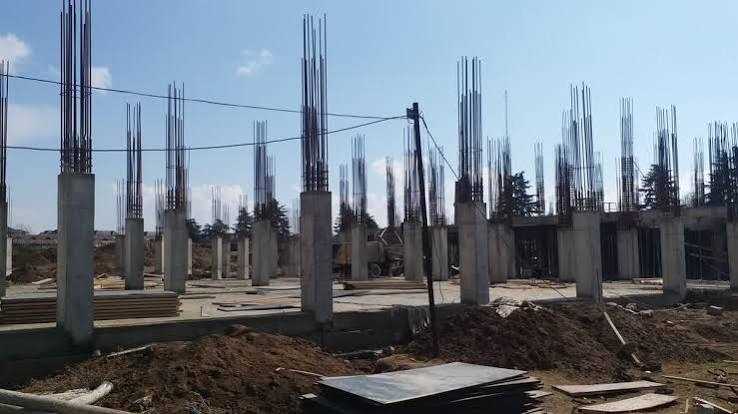
Srinagar, August 10: Years of delays in clearing government bills have left hundreds of contractors across Jammu and Kashmir struggling with mounting debts, forcing some to abandon contracting and take up other forms of work.
Muhammad Yousuf, a 40-year-old contractor from south Kashmir’s Pulwama, is one such case. Five years ago, he worked with the Rural Development Department (RDD), but bills worth around ₹8 lakh remain unpaid under the Mahatma Gandhi National Rural Employment Guarantee Scheme (MGNREGS), now renamed Viksit Bharat–Guarantee for Rozgar and Aajeevika Mission (Gramin) (VB-G RAM G).
Unable to repay suppliers and labourers and frustrated by repeated visits to government offices, Yousuf eventually quit contracting and turned to masonry for a livelihood.
The scale of the problem is reflected in official figures. Union Minister of State for Rural Development Kamlesh Paswan told Parliament that Jammu and Kashmir has pending liabilities of ₹836.29 crore under VB-G RAM G, including ₹207.69 crore in wages and ₹628.60 crore in material payments.
Contractors, however, say outstanding dues extend far beyond the rural employment scheme and span several government departments.
Farooq Ahmad Dar, General Secretary of the Central Contractors Coordination Committee, claimed the government owes contractors around ₹800 crore in Kashmir across departments, with some dues dating back to 2014. He said more than 2,000 contractors had stopped taking up government works over the past 12 years due to delayed payments, with some forced to take up low-paid jobs to manage their debts.
Ghulam Jeelani Purza, Chairman of the Jammu and Kashmir Contractors Coordination Committee, said contractors in the Public Works Department (PWD) are awaiting around ₹134 crore, including ₹80 crore owed to macadam plant owners and ₹74 crore for civil works pending since 2016.
In Jammu region, senior contractor Vinod Kohli estimated pending liabilities across departments at around ₹250 crore, including nearly ₹100 crore in the PWD. He said several works executed before 2019 remain unpaid because of issues relating to technical sanctions and administrative approvals.
The PWD Finance Directorate, however, said it had not received any representation from contractors regarding the claimed liabilities.
The Jal Shakti Department is another major source of concern. Contractor Nazir Ahmad claimed around ₹1,500 crore remains pending under the Jal Jeevan Mission for works executed since 2021, besides more than ₹23 crore in civil work bills pending since 2014.
Official figures show that J&K was allocated ₹18,514.25 crore under the first phase of the Jal Jeevan Mission, of which ₹6,496.48 crore has been drawn. Under JJM 2.0, the Union Territory has been allocated ₹905.74 crore for 2026-27, but no amount had been drawn during the financial year at the time of the parliamentary response.
Chief Engineer, Jal Shakti (PHE), Er Showkat Hussain, attributed the accumulation of liabilities to delays in the release of funds by the Union Jal Shakti Ministry.
Contractors also contend that the transition after 2019 contributed to the backlog. Purza said around ₹700 crore was pending in the PWD at the time, of which nearly ₹400 crore was subsequently cleared after physical verification by the Anti-Corruption Bureau.
Officials in the Finance Department have maintained that several pre-2019 projects remain unsettled because of deficiencies involving technical sanctions, administrative approvals, nominations and physical verification.
The issue has persisted despite efforts to clear the backlog. In March, Chief Minister Omar Abdullah told the Legislative Assembly that ₹7,800.58 crore in contractor bills had been cleared during 2025-26. He said pending liabilities were being addressed systematically through a structured mechanism aimed at ensuring timely payments.
For contractors like Yousuf, however, the question remains how quickly the remaining dues will be cleared. Years of unpaid bills have not only strained government vendors and small businesses but have also disrupted the livelihoods of workers dependent on public projects.

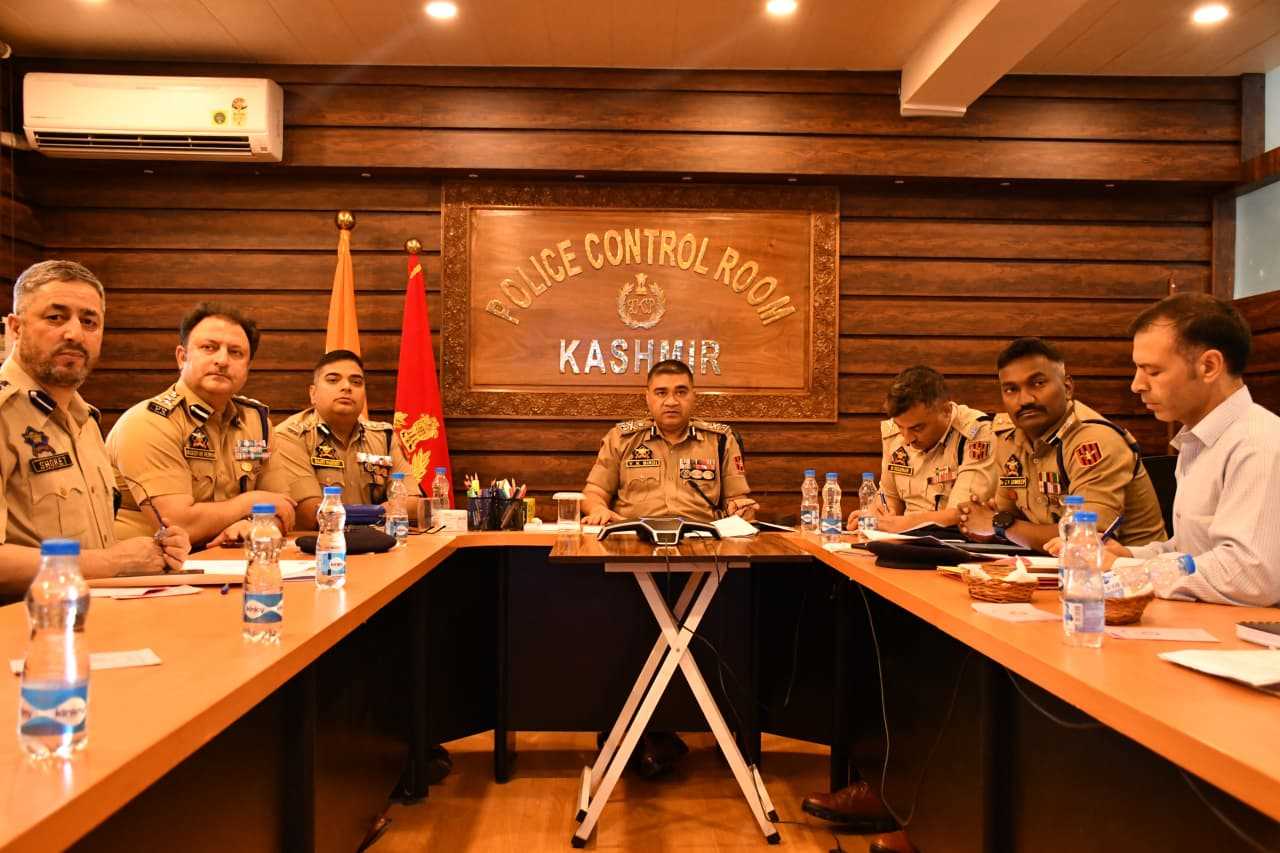
Srinagar, August 10: Years of delays in clearing government bills have left hundreds of contractors across Jammu and Kashmir struggling with mounting debts, forcing some to abandon contracting and take up other forms of work.
Muhammad Yousuf, a 40-year-old contractor from south Kashmir’s Pulwama, is one such case. Five years ago, he worked with the Rural Development Department (RDD), but bills worth around ₹8 lakh remain unpaid under the Mahatma Gandhi National Rural Employment Guarantee Scheme (MGNREGS), now renamed Viksit Bharat–Guarantee for Rozgar and Aajeevika Mission (Gramin) (VB-G RAM G).
Unable to repay suppliers and labourers and frustrated by repeated visits to government offices, Yousuf eventually quit contracting and turned to masonry for a livelihood.
The scale of the problem is reflected in official figures. Union Minister of State for Rural Development Kamlesh Paswan told Parliament that Jammu and Kashmir has pending liabilities of ₹836.29 crore under VB-G RAM G, including ₹207.69 crore in wages and ₹628.60 crore in material payments.
Contractors, however, say outstanding dues extend far beyond the rural employment scheme and span several government departments.
Farooq Ahmad Dar, General Secretary of the Central Contractors Coordination Committee, claimed the government owes contractors around ₹800 crore in Kashmir across departments, with some dues dating back to 2014. He said more than 2,000 contractors had stopped taking up government works over the past 12 years due to delayed payments, with some forced to take up low-paid jobs to manage their debts.
Ghulam Jeelani Purza, Chairman of the Jammu and Kashmir Contractors Coordination Committee, said contractors in the Public Works Department (PWD) are awaiting around ₹134 crore, including ₹80 crore owed to macadam plant owners and ₹74 crore for civil works pending since 2016.
In Jammu region, senior contractor Vinod Kohli estimated pending liabilities across departments at around ₹250 crore, including nearly ₹100 crore in the PWD. He said several works executed before 2019 remain unpaid because of issues relating to technical sanctions and administrative approvals.
The PWD Finance Directorate, however, said it had not received any representation from contractors regarding the claimed liabilities.
The Jal Shakti Department is another major source of concern. Contractor Nazir Ahmad claimed around ₹1,500 crore remains pending under the Jal Jeevan Mission for works executed since 2021, besides more than ₹23 crore in civil work bills pending since 2014.
Official figures show that J&K was allocated ₹18,514.25 crore under the first phase of the Jal Jeevan Mission, of which ₹6,496.48 crore has been drawn. Under JJM 2.0, the Union Territory has been allocated ₹905.74 crore for 2026-27, but no amount had been drawn during the financial year at the time of the parliamentary response.
Chief Engineer, Jal Shakti (PHE), Er Showkat Hussain, attributed the accumulation of liabilities to delays in the release of funds by the Union Jal Shakti Ministry.
Contractors also contend that the transition after 2019 contributed to the backlog. Purza said around ₹700 crore was pending in the PWD at the time, of which nearly ₹400 crore was subsequently cleared after physical verification by the Anti-Corruption Bureau.
Officials in the Finance Department have maintained that several pre-2019 projects remain unsettled because of deficiencies involving technical sanctions, administrative approvals, nominations and physical verification.
The issue has persisted despite efforts to clear the backlog. In March, Chief Minister Omar Abdullah told the Legislative Assembly that ₹7,800.58 crore in contractor bills had been cleared during 2025-26. He said pending liabilities were being addressed systematically through a structured mechanism aimed at ensuring timely payments.
For contractors like Yousuf, however, the question remains how quickly the remaining dues will be cleared. Years of unpaid bills have not only strained government vendors and small businesses but have also disrupted the livelihoods of workers dependent on public projects.

© Copyright 2023 brighterkashmir.com All Rights Reserved. Quantum Technologies