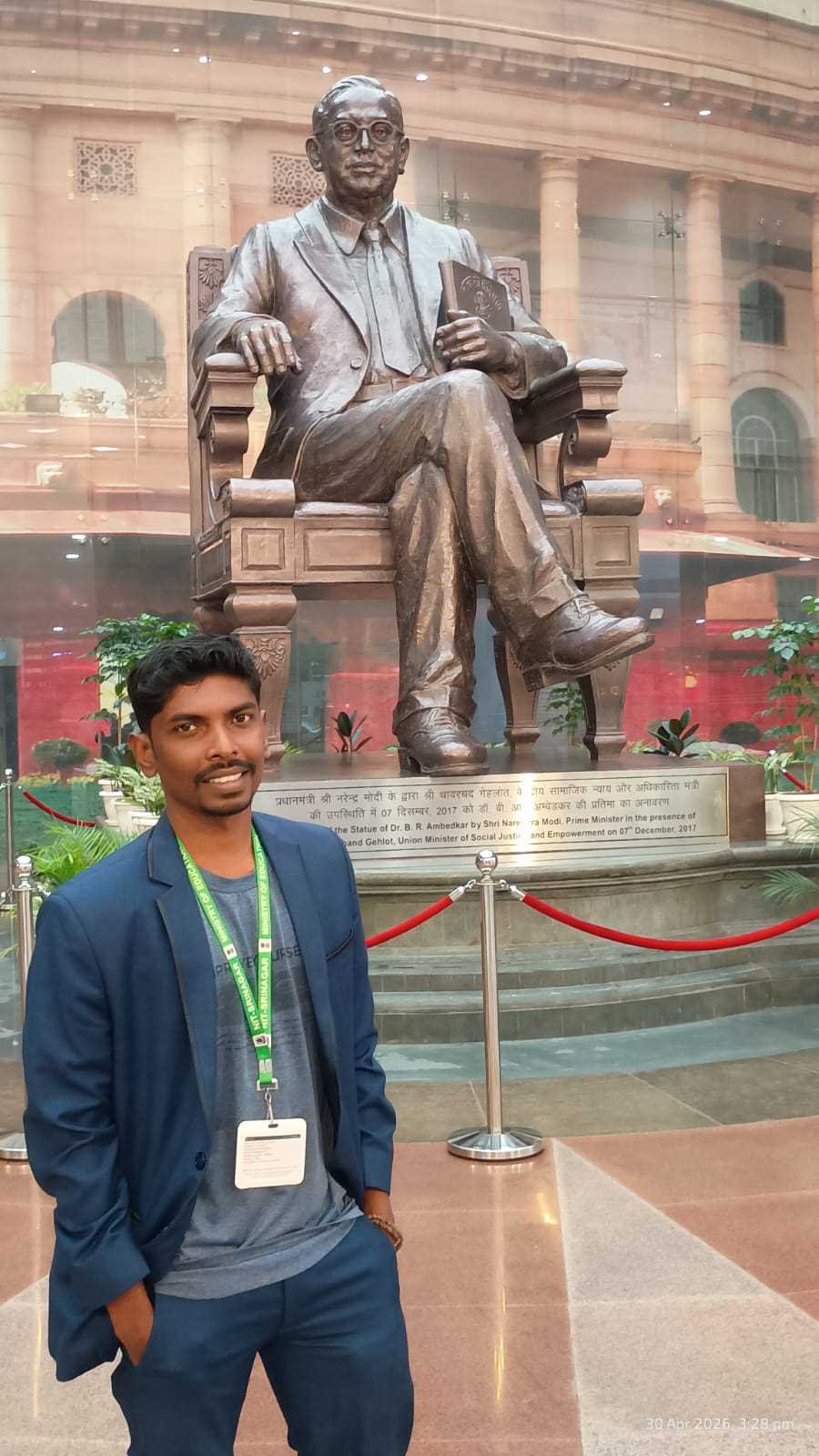
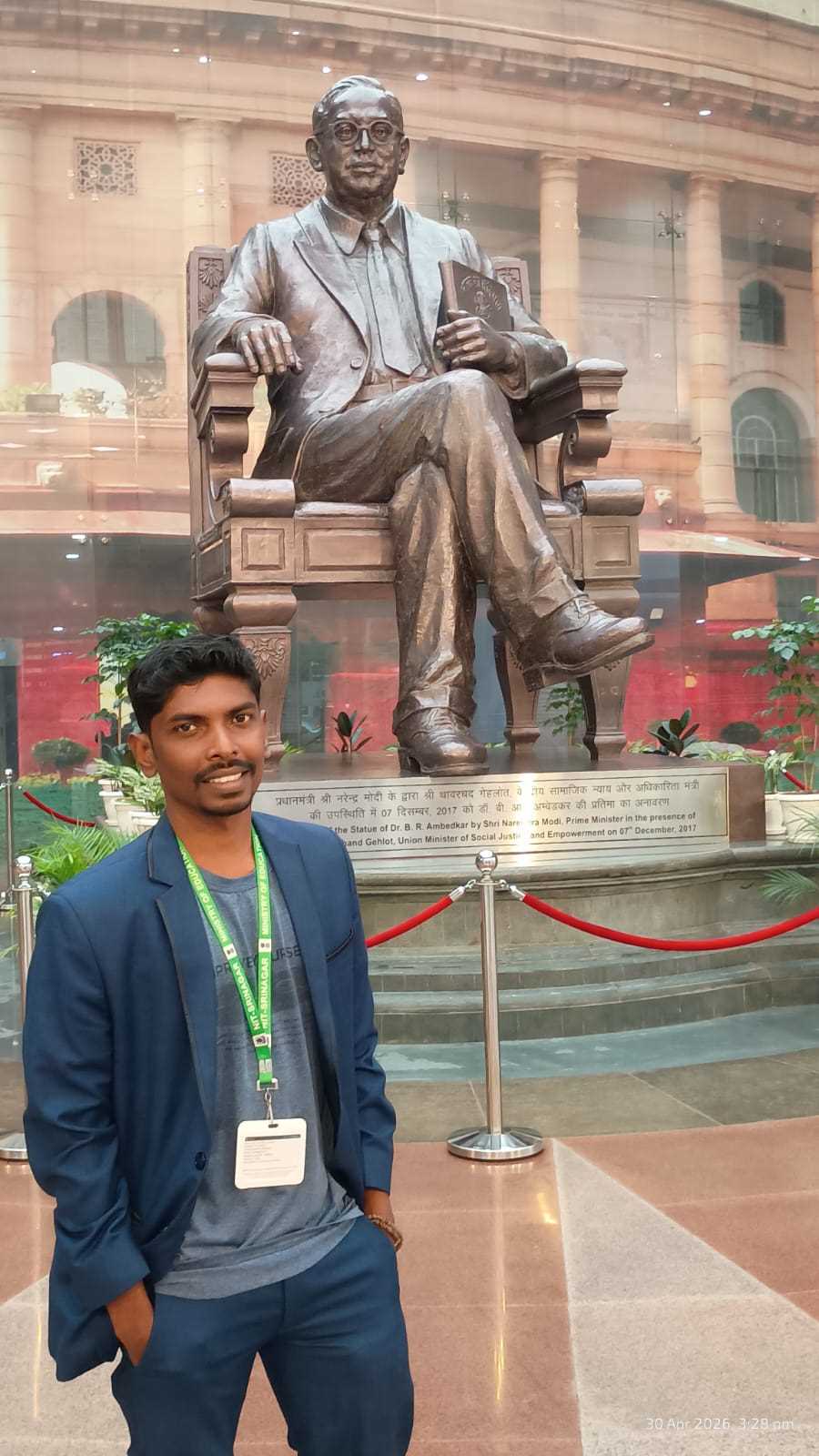
Srinagar, May 1: The National Institute of Technology (NIT) Srinagar, as the Regional Coordinating Institution (RCI) for the Kashmir Region under Unnat Bharat Abhiyan (UBA), presented the consolidated North Zone progress report at the UBA Review Meeting held at the Dr Ambedkar International Centre (DAIC), New Delhi.
The meeting was attended by Regional Coordinating Institutions (RCIs) from across the country to review the progress of rural development initiatives and deliberate on the roadmap for the next phase of implementation under the Ministry of Education’s flagship programme.
Senior officials of the Ministry of Education, including Vineet Joshi, Secretary, Armstrong Pame, Joint Secretary, and others, addressed the meeting, while V K Vijay (IIT Delhi) presented a national overview of the Unnat Bharat Abhiyan.
NIT Srinagar, representing the North Zone, presented a consolidated report covering key initiatives undertaken by premier institutions, including IIT Delhi, IIT Jammu, NIT Hamirpur, NITTTR Chandigarh, and NIT Kurukshetra. The presentation was delivered by Dr Dinesh Kumar Rajendran, Technical Coordinator for RCI Kashmir Region.
Dr Rajendran highlighted major interventions such as river rejuvenation projects, rural student outreach programmes, and technology-driven development initiatives implemented across the northern Indian region.
He also informed that NIT Srinagar has established computer and science laboratories in 15 government schools, benefiting nearly 20,000 students.
Dr Rajendran further stated that skill development initiatives, including tailoring training centres—one of which has been recently established in Kupwara—and SEG-based projects such as low-cost heating systems and biogas units, are being implemented to strengthen rural livelihoods.
The meeting also took note of contributions made by Prof Shami Lone, who presented a five-year strategic plan for the region under UBA. Senior academician Prof. M. F. Wani was acknowledged for his long-standing contribution to the programme.
During the meeting, Secretary MoE, Vineet Joshi, announced the extension of the Unnat Bharat Abhiyan and informed that all higher education institutions have been requested to enrol under the programme.
Joint Secretary (MoE) Armstrong Pame highlighted the decentralisation of UBA into six zones with enhanced autonomy to RCIs, while Joint Secretary UGC, Diksha Rajput, noted the inclusion of 237 modules on SWAYAM and the proposed introduction of a two-credit UBA course.
Director NIT Srinagar, Prof. Binod Kumar Kanaujia, and Registrar Prof. Atikur Rehman reiterated the institute’s strong commitment to rural development and community-oriented academic engagement.
They stated that the Institute will continue to actively contribute to grassroots development through education, innovation, and outreach programmes, with a focus on addressing local challenges and strengthening rural communities through sustained institutional support.

Srinagar, May 1: The National Institute of Technology (NIT) Srinagar, as the Regional Coordinating Institution (RCI) for the Kashmir Region under Unnat Bharat Abhiyan (UBA), presented the consolidated North Zone progress report at the UBA Review Meeting held at the Dr Ambedkar International Centre (DAIC), New Delhi.
The meeting was attended by Regional Coordinating Institutions (RCIs) from across the country to review the progress of rural development initiatives and deliberate on the roadmap for the next phase of implementation under the Ministry of Education’s flagship programme.
Senior officials of the Ministry of Education, including Vineet Joshi, Secretary, Armstrong Pame, Joint Secretary, and others, addressed the meeting, while V K Vijay (IIT Delhi) presented a national overview of the Unnat Bharat Abhiyan.
NIT Srinagar, representing the North Zone, presented a consolidated report covering key initiatives undertaken by premier institutions, including IIT Delhi, IIT Jammu, NIT Hamirpur, NITTTR Chandigarh, and NIT Kurukshetra. The presentation was delivered by Dr Dinesh Kumar Rajendran, Technical Coordinator for RCI Kashmir Region.
Dr Rajendran highlighted major interventions such as river rejuvenation projects, rural student outreach programmes, and technology-driven development initiatives implemented across the northern Indian region.
He also informed that NIT Srinagar has established computer and science laboratories in 15 government schools, benefiting nearly 20,000 students.
Dr Rajendran further stated that skill development initiatives, including tailoring training centres—one of which has been recently established in Kupwara—and SEG-based projects such as low-cost heating systems and biogas units, are being implemented to strengthen rural livelihoods.
The meeting also took note of contributions made by Prof Shami Lone, who presented a five-year strategic plan for the region under UBA. Senior academician Prof. M. F. Wani was acknowledged for his long-standing contribution to the programme.
During the meeting, Secretary MoE, Vineet Joshi, announced the extension of the Unnat Bharat Abhiyan and informed that all higher education institutions have been requested to enrol under the programme.
Joint Secretary (MoE) Armstrong Pame highlighted the decentralisation of UBA into six zones with enhanced autonomy to RCIs, while Joint Secretary UGC, Diksha Rajput, noted the inclusion of 237 modules on SWAYAM and the proposed introduction of a two-credit UBA course.
Director NIT Srinagar, Prof. Binod Kumar Kanaujia, and Registrar Prof. Atikur Rehman reiterated the institute’s strong commitment to rural development and community-oriented academic engagement.
They stated that the Institute will continue to actively contribute to grassroots development through education, innovation, and outreach programmes, with a focus on addressing local challenges and strengthening rural communities through sustained institutional support.
© Copyright 2023 brighterkashmir.com All Rights Reserved. Quantum Technologies