

The Himalayas are changing—and the warning can no longer be ignored. Rising temperatures are melting glaciers, destabilising mountain slopes and altering the fragile water systems on which millions of people depend. What was once viewed largely as an environmental concern is rapidly becoming a question of public safety, livelihoods and survival. Glaciers are among the most visible victims of climate change. As temperatures rise, ice reserves shrink and glacial lakes expand. The danger is not limited to the gradual loss of glaciers. Sudden glacial lake outburst floods, landslides, cloudbursts and flash floods can unleash enormous destruction within hours, sweeping away homes, roads, bridges and entire settlements. The Himalayan region is particularly vulnerable because its geography leaves little room for error. Roads and habitations often lie along steep slopes and river valleys, while expanding tourism and unplanned construction are putting additional pressure on an already fragile ecosystem. When extreme weather collides with weak infrastructure and poor land-use planning, disasters become more destructive. The recent frequency of extreme weather events across the Himalayan belt should be treated as a serious warning. Disaster management cannot remain focused merely on rescue and relief after tragedy strikes. The priority must shift towards prevention, preparedness and early warning. Governments need stronger glacier and weather monitoring systems, real-time flood alerts and scientifically prepared hazard maps. Vulnerable communities must know when and how to evacuate. Infrastructure projects in fragile mountain zones should undergo rigorous environmental and geological assessment rather than being driven solely by short-term economic considerations. There is also an urgent need to regulate construction along river channels, flood-prone areas and unstable slopes. Development and environmental protection cannot be treated as opposing goals. Sustainable infrastructure is the only development capable of enduring in a changing climate. The Himalayan crisis also demands cooperation among the countries sharing this mountain system. Rivers, glaciers and weather patterns do not recognise political boundaries. Scientific data, early-warning systems and climate research must therefore be shared across borders. But adaptation alone will not be enough. The world must also confront the root cause—greenhouse gas emissions. Every fraction of a degree matters in a region where small climatic shifts can have enormous consequences. The Himalayas are often called the “Third Pole” because of their vast stores of snow and ice. Their melting is not merely a loss of ice; it is a warning about the future of water, ecosystems and human settlements. The message is stark: protect the Himalayas today, or prepare to pay a far heavier price tomorrow.
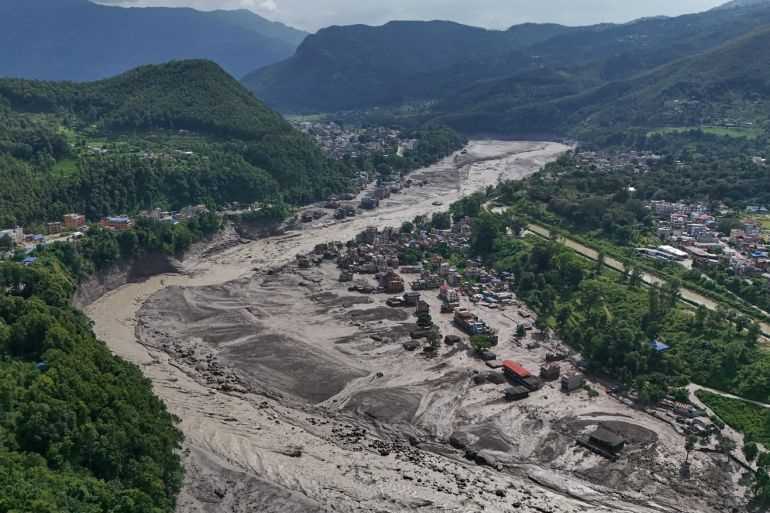
The Himalayas are changing—and the warning can no longer be ignored. Rising temperatures are melting glaciers, destabilising mountain slopes and altering the fragile water systems on which millions of people depend. What was once viewed largely as an environmental concern is rapidly becoming a question of public safety, livelihoods and survival. Glaciers are among the most visible victims of climate change. As temperatures rise, ice reserves shrink and glacial lakes expand. The danger is not limited to the gradual loss of glaciers. Sudden glacial lake outburst floods, landslides, cloudbursts and flash floods can unleash enormous destruction within hours, sweeping away homes, roads, bridges and entire settlements. The Himalayan region is particularly vulnerable because its geography leaves little room for error. Roads and habitations often lie along steep slopes and river valleys, while expanding tourism and unplanned construction are putting additional pressure on an already fragile ecosystem. When extreme weather collides with weak infrastructure and poor land-use planning, disasters become more destructive. The recent frequency of extreme weather events across the Himalayan belt should be treated as a serious warning. Disaster management cannot remain focused merely on rescue and relief after tragedy strikes. The priority must shift towards prevention, preparedness and early warning. Governments need stronger glacier and weather monitoring systems, real-time flood alerts and scientifically prepared hazard maps. Vulnerable communities must know when and how to evacuate. Infrastructure projects in fragile mountain zones should undergo rigorous environmental and geological assessment rather than being driven solely by short-term economic considerations. There is also an urgent need to regulate construction along river channels, flood-prone areas and unstable slopes. Development and environmental protection cannot be treated as opposing goals. Sustainable infrastructure is the only development capable of enduring in a changing climate. The Himalayan crisis also demands cooperation among the countries sharing this mountain system. Rivers, glaciers and weather patterns do not recognise political boundaries. Scientific data, early-warning systems and climate research must therefore be shared across borders. But adaptation alone will not be enough. The world must also confront the root cause—greenhouse gas emissions. Every fraction of a degree matters in a region where small climatic shifts can have enormous consequences. The Himalayas are often called the “Third Pole” because of their vast stores of snow and ice. Their melting is not merely a loss of ice; it is a warning about the future of water, ecosystems and human settlements. The message is stark: protect the Himalayas today, or prepare to pay a far heavier price tomorrow.

© Copyright 2023 brighterkashmir.com All Rights Reserved. Quantum Technologies