

The third phase of elections in Pakistan-occupied Jammu and Kashmir (PoJK) has once again exposed the uncomfortable reality behind the region’s democratic façade. An election is meaningful only when voters can exercise their choice freely, without fear, coercion or the shadow of force. When polling takes place under the barrel of a gun, democracy becomes little more than a ritual. The people of PoJK deserve much more than periodic ballots. They deserve institutions that respect their political rights, protect dissent and allow them to question those in power without intimidation. Elections cannot be reduced to the mere act of casting votes while the broader political environment remains constrained by pressure and fear. The third phase should therefore be viewed not merely through the prism of polling percentages or political victories, but through a larger democratic question: How free is a vote when the voter does not feel free? For decades, the people of the region have faced political uncertainty, economic hardship and limited space for genuine dissent. Whenever voices rise against governance failures, unemployment, price pressures or political arrangements, the response has too often been marked by restrictions rather than reconciliation. A democracy that fears criticism ultimately weakens itself. The credibility of any election rests on three pillars—freedom, fairness and transparency. Security forces have a legitimate role in maintaining peace, but security cannot become a substitute for political legitimacy. A heavy security presence may prevent violence, but it cannot manufacture public trust. The real test for authorities is not simply whether polling stations opened and ballots were counted. It is whether citizens were able to campaign, speak, assemble and vote without intimidation. It is whether opposition voices were allowed space and whether the eventual mandate reflected the genuine will of the people. Islamabad would do well to understand that political stability cannot be imposed indefinitely. A region cannot be governed sustainably through fear. Grievances suppressed today often return with greater force tomorrow. The people of PoJK need roads, jobs, education and economic opportunities—but above all, they need political dignity. They need the confidence that their vote matters and that their voice will not invite punishment. An election is supposed to give power to the people. If the gun stands beside the ballot box, the symbolism is reversed. Democracy must not merely count votes; it must respect the people who cast them.

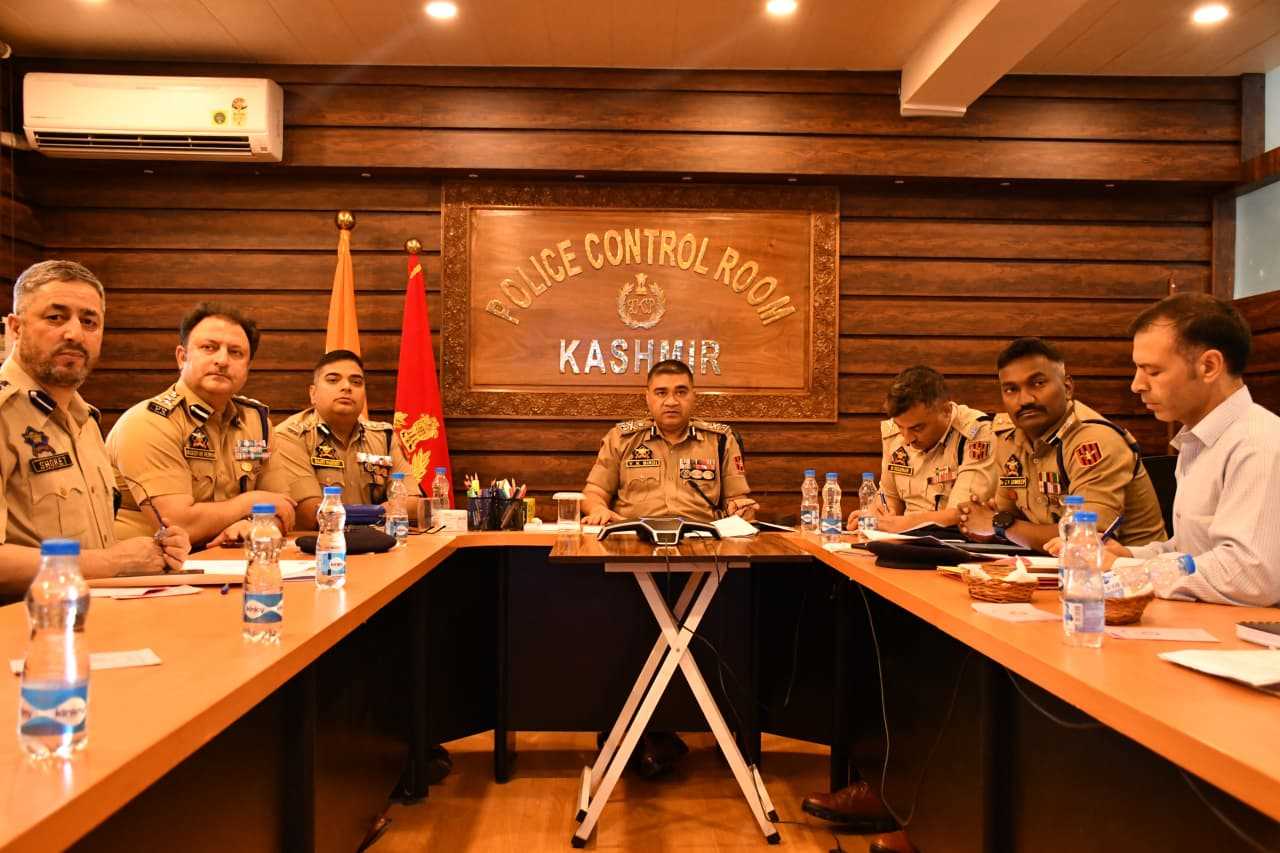
The third phase of elections in Pakistan-occupied Jammu and Kashmir (PoJK) has once again exposed the uncomfortable reality behind the region’s democratic façade. An election is meaningful only when voters can exercise their choice freely, without fear, coercion or the shadow of force. When polling takes place under the barrel of a gun, democracy becomes little more than a ritual. The people of PoJK deserve much more than periodic ballots. They deserve institutions that respect their political rights, protect dissent and allow them to question those in power without intimidation. Elections cannot be reduced to the mere act of casting votes while the broader political environment remains constrained by pressure and fear. The third phase should therefore be viewed not merely through the prism of polling percentages or political victories, but through a larger democratic question: How free is a vote when the voter does not feel free? For decades, the people of the region have faced political uncertainty, economic hardship and limited space for genuine dissent. Whenever voices rise against governance failures, unemployment, price pressures or political arrangements, the response has too often been marked by restrictions rather than reconciliation. A democracy that fears criticism ultimately weakens itself. The credibility of any election rests on three pillars—freedom, fairness and transparency. Security forces have a legitimate role in maintaining peace, but security cannot become a substitute for political legitimacy. A heavy security presence may prevent violence, but it cannot manufacture public trust. The real test for authorities is not simply whether polling stations opened and ballots were counted. It is whether citizens were able to campaign, speak, assemble and vote without intimidation. It is whether opposition voices were allowed space and whether the eventual mandate reflected the genuine will of the people. Islamabad would do well to understand that political stability cannot be imposed indefinitely. A region cannot be governed sustainably through fear. Grievances suppressed today often return with greater force tomorrow. The people of PoJK need roads, jobs, education and economic opportunities—but above all, they need political dignity. They need the confidence that their vote matters and that their voice will not invite punishment. An election is supposed to give power to the people. If the gun stands beside the ballot box, the symbolism is reversed. Democracy must not merely count votes; it must respect the people who cast them.

© Copyright 2023 brighterkashmir.com All Rights Reserved. Quantum Technologies