
BREAKING NEWS
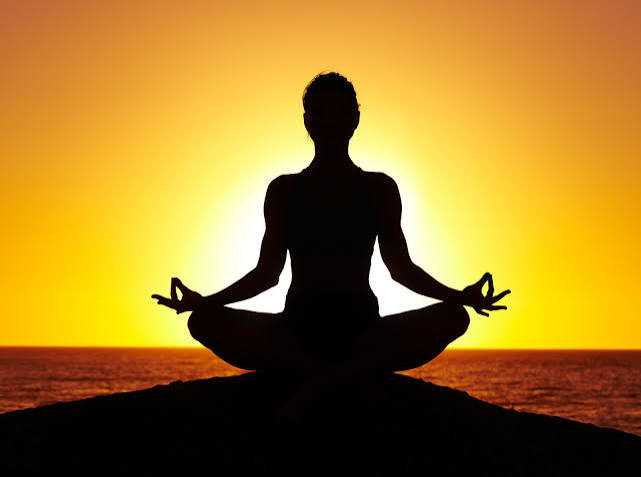
Yoga, one of India’s most enduring civilizational contributions, is far more than a system of physical exercise. It is a philosophy of life that seeks harmony between body, mind, and consciousness. In an age defined by speed, stress, and fragmentation, Yoga offers a quiet but powerful counter-narrative rooted in balance, awareness, and inner discipline. Originating in ancient Indian thought and refined over millennia by sages and practitioners, Yoga is built on the principle of integration. The Sanskrit root “yuj” means to unite, and Yoga, in its truest sense, is the union of the individual self with a larger universal consciousness. While modern interpretations often emphasise postures and fitness, the tradition is much deeper, encompassing ethical living, breath control, meditation, and mental restraint. Its relevance today is undeniable. Modern life, despite its technological advancements, has produced new forms of anxiety, isolation, and burnout. In this context, Yoga functions as a stabilising force. It encourages stillness in a restless world, discipline in a distracted mind, and awareness in an age of constant noise. Scientific studies across the globe have also validated its benefits in reducing stress, improving cardiovascular health, enhancing mental clarity, and supporting emotional resilience. Yet, Yoga is not merely a therapeutic tool; it is a way of being. It teaches restraint without repression, strength without aggression, and peace without passivity. Its emphasis on balance makes it uniquely suited to contemporary challenges, where extremes often dominate personal and social behaviour. At a collective level, Yoga also promotes a culture of mindfulness and compassion, values that are increasingly essential in fragmented societies. India’s global role in popularising Yoga, particularly through the recognition of International Yoga Day, has helped transform it into a shared human heritage. However, its true significance lies not in global celebrations but in individual practice. The real impact of Yoga is experienced in the quiet transformation of daily life, where breath becomes awareness and movement becomes meditation. As humanity navigates uncertainty, climate stress, and mental health crises, Yoga stands as a reminder that solutions do not always lie outside. Often, they begin within. It calls for a return to simplicity, self-awareness, and equilibrium. Yoga, therefore, is not a relic of the past but a guide for the future—a timeless discipline that helps humanity rediscover balance in an increasingly imbalanced world.
Yoga, one of India’s most enduring civilizational contributions, is far more than a system of physical exercise. It is a philosophy of life that seeks harmony between body, mind, and consciousness. In an age defined by speed, stress, and fragmentation, Yoga offers a quiet but powerful counter-narrative rooted in balance, awareness, and inner discipline. Originating in ancient Indian thought and refined over millennia by sages and practitioners, Yoga is built on the principle of integration. The Sanskrit root “yuj” means to unite, and Yoga, in its truest sense, is the union of the individual self with a larger universal consciousness. While modern interpretations often emphasise postures and fitness, the tradition is much deeper, encompassing ethical living, breath control, meditation, and mental restraint. Its relevance today is undeniable. Modern life, despite its technological advancements, has produced new forms of anxiety, isolation, and burnout. In this context, Yoga functions as a stabilising force. It encourages stillness in a restless world, discipline in a distracted mind, and awareness in an age of constant noise. Scientific studies across the globe have also validated its benefits in reducing stress, improving cardiovascular health, enhancing mental clarity, and supporting emotional resilience. Yet, Yoga is not merely a therapeutic tool; it is a way of being. It teaches restraint without repression, strength without aggression, and peace without passivity. Its emphasis on balance makes it uniquely suited to contemporary challenges, where extremes often dominate personal and social behaviour. At a collective level, Yoga also promotes a culture of mindfulness and compassion, values that are increasingly essential in fragmented societies. India’s global role in popularising Yoga, particularly through the recognition of International Yoga Day, has helped transform it into a shared human heritage. However, its true significance lies not in global celebrations but in individual practice. The real impact of Yoga is experienced in the quiet transformation of daily life, where breath becomes awareness and movement becomes meditation. As humanity navigates uncertainty, climate stress, and mental health crises, Yoga stands as a reminder that solutions do not always lie outside. Often, they begin within. It calls for a return to simplicity, self-awareness, and equilibrium. Yoga, therefore, is not a relic of the past but a guide for the future—a timeless discipline that helps humanity rediscover balance in an increasingly imbalanced world.

© Copyright 2023 brighterkashmir.com All Rights Reserved. Quantum Technologies