
BREAKING NEWS
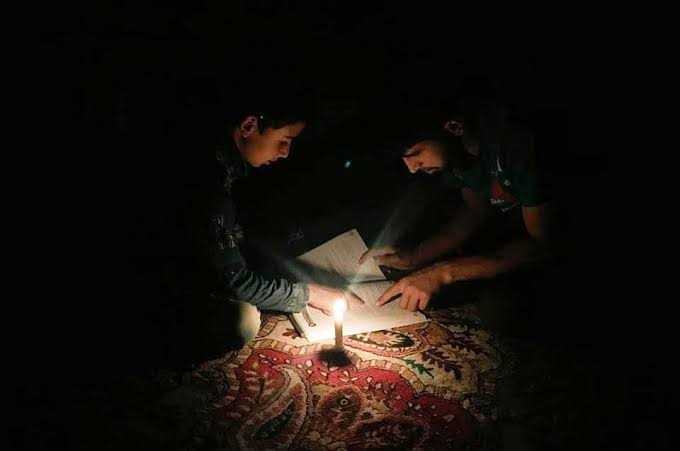
Kashmir’s early winter has brought more than a chill in the air. Frequent power outages have added to the hardship of residents already preparing for falling temperatures. As nights grow colder, unreliable electricity exposes the gap between official assurances and the everyday experience of consumers. Electricity is no luxury in a region where winter can be harsh and prolonged. It is essential for heating, cooking, studying, healthcare and the smooth functioning of businesses. For students preparing for examinations, prolonged outages disrupt studies. For elderly people, patients and families with young children, the consequences can be even more difficult. The situation raises an uncomfortable question: if power demand during winter is predictable, why does the system continue to struggle when the season arrives?Authorities cannot claim to be surprised by Kashmir’s winter requirements. Every year, falling temperatures push electricity consumption upwards. Heating appliances increase the load, while infrastructure faces pressure from rising demand. These challenges are known well in advance and should be addressed through advance planning, adequate maintenance and transparent power scheduling. Consumers, too, must recognise that electricity is a limited resource. Reckless use, unauthorised connections and power theft place additional pressure on an already stretched system. Responsible consumption is essential. But public cooperation cannot become an excuse for administrative shortcomings or unexplained outages. The government and power distribution authorities must act on two fronts. In the immediate term, they should publish realistic schedules, communicate unscheduled interruptions promptly and ensure that essential services receive reliable electricity. Complaints must be addressed swiftly, particularly in areas facing repeated disruptions. Over the longer term, Kashmir needs stronger distribution infrastructure, timely repairs, reduced transmission and distribution losses, and better demand management. Smart metering and revenue recovery can help improve accountability, but reforms must also translate into visible improvements for ordinary consumers. Equally important is transparency. People deserve to know whether outages result from maintenance, technical faults, supply shortages or excessive demand. Clear explanations build trust; silence and vague assurances deepen public frustration. Winter preparedness should not begin after complaints mount. It must be a year-round exercise involving infrastructure upgrades, realistic forecasting and effective coordination between departments. Kashmir’s residents understand that uninterrupted electricity may not always be possible. What they reasonably expect is a dependable system, fair scheduling and timely information. Cold weather is inevitable. Darkness need not be. The real test of winter preparedness is not the number of assurances issued, but whether homes remain warm, students can study and essential services continue without avoidable disruption.
Kashmir’s early winter has brought more than a chill in the air. Frequent power outages have added to the hardship of residents already preparing for falling temperatures. As nights grow colder, unreliable electricity exposes the gap between official assurances and the everyday experience of consumers. Electricity is no luxury in a region where winter can be harsh and prolonged. It is essential for heating, cooking, studying, healthcare and the smooth functioning of businesses. For students preparing for examinations, prolonged outages disrupt studies. For elderly people, patients and families with young children, the consequences can be even more difficult. The situation raises an uncomfortable question: if power demand during winter is predictable, why does the system continue to struggle when the season arrives?Authorities cannot claim to be surprised by Kashmir’s winter requirements. Every year, falling temperatures push electricity consumption upwards. Heating appliances increase the load, while infrastructure faces pressure from rising demand. These challenges are known well in advance and should be addressed through advance planning, adequate maintenance and transparent power scheduling. Consumers, too, must recognise that electricity is a limited resource. Reckless use, unauthorised connections and power theft place additional pressure on an already stretched system. Responsible consumption is essential. But public cooperation cannot become an excuse for administrative shortcomings or unexplained outages. The government and power distribution authorities must act on two fronts. In the immediate term, they should publish realistic schedules, communicate unscheduled interruptions promptly and ensure that essential services receive reliable electricity. Complaints must be addressed swiftly, particularly in areas facing repeated disruptions. Over the longer term, Kashmir needs stronger distribution infrastructure, timely repairs, reduced transmission and distribution losses, and better demand management. Smart metering and revenue recovery can help improve accountability, but reforms must also translate into visible improvements for ordinary consumers. Equally important is transparency. People deserve to know whether outages result from maintenance, technical faults, supply shortages or excessive demand. Clear explanations build trust; silence and vague assurances deepen public frustration. Winter preparedness should not begin after complaints mount. It must be a year-round exercise involving infrastructure upgrades, realistic forecasting and effective coordination between departments. Kashmir’s residents understand that uninterrupted electricity may not always be possible. What they reasonably expect is a dependable system, fair scheduling and timely information. Cold weather is inevitable. Darkness need not be. The real test of winter preparedness is not the number of assurances issued, but whether homes remain warm, students can study and essential services continue without avoidable disruption.

© Copyright 2023 brighterkashmir.com All Rights Reserved. Quantum Technologies