
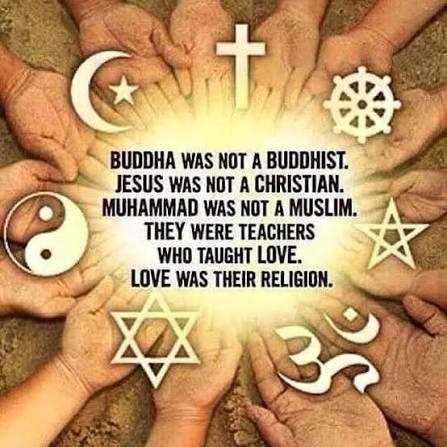
Instead of becoming a source of unity, some religious platforms are increasingly becoming spaces where differences are highlighted, sectarian identities are strengthened and one group is sometimes portrayed as the enemy of another
There is a painful question that we, as a society, must have the courage to ask ourselves: Have we become more interested in proving that we are right than in making our society righteous?
Kashmir has a long and rich tradition of religious learning. Its mosques, madrasas and religious scholars have played an important role in shaping the moral and social life of the people. Generations have looked towards the Ulama not merely for religious knowledge, but also for guidance during difficult times.
But today, something appears to be changing.
Instead of becoming a source of unity, some religious platforms are increasingly becoming spaces where differences are highlighted, sectarian identities are strengthened and one group is sometimes portrayed as the enemy of another.
This is not an accusation against every alim or religious scholar. There are many scholars who continue to work sincerely for education, social welfare, peace and religious understanding. But precisely because the Ulama occupy such an influential position, even the mistakes of a few can have consequences for an entire society.
The question, therefore, is not whether religious differences exist. They have existed throughout Islamic history.
The question is: Why have we allowed differences to become greater than our common faith?
When Knowledge Becomes a Source of Distance
The Qur'an gives an unmistakable warning: “And hold firmly to the rope of Allah all together and do not become divided.” It further warns believers not to become like those who divided after receiving clear guidance.
This message should perhaps be written on the walls of every mosque, madrasa and religious institution.
Yet, in our public religious discourse, we sometimes spend more energy discussing who is right, who is wrong, who belongs to which group and whose practice should be rejected.
The ordinary Kashmiri Muslim is left confused.
He wants to pray.
He wants to earn an honest livelihood.
He wants peace in his family.
He wants to live with his neighbours.
He wants to be a good human being.
But instead of receiving a simple and compassionate message of faith, he is sometimes drawn into arguments that have little relevance to the immediate problems confronting his family and society.
The Purpose of Religious Knowledge
Religious knowledge should elevate human beings.
It should make us more honest, more compassionate, more patient and more conscious of our responsibilities towards others.
Knowledge that increases arrogance has failed its purpose.
Knowledge that produces hatred has failed its purpose.
And knowledge that makes one person look down upon another should make the scholar himself pause and ask whether the message has been understood correctly.
The Prophet Muhammad ﷺ taught that a Muslim should not oppress, abandon, humiliate or despise another Muslim and urged believers to live as brothers.
He also taught that a person does not truly believe until he wishes for his brother or neighbour what he wishes for himself.
These teachings leave little room for a culture in which religious disagreement becomes personal hatred.
From the Madrasa to the Marketplace
There is another issue that deserves serious consideration: the relationship between religious education and practical life.
There is a historical tradition of Islamic learning in which religious knowledge was not necessarily separated from useful worldly skills, craftsmanship, trade and self-reliance. Muslim civilisation produced scholars who were also physicians, mathematicians, astronomers, philosophers, traders and administrators.
An important lesson can be drawn from this broader tradition: education should empower a person rather than make him permanently dependent upon others.
The principle itself, however, deserves attention.
Our madrasas should produce people who understand religion deeply but can also contribute meaningfully to society. A student who learns Qur'an and Hadith should also be encouraged, wherever appropriate, to acquire skills in teaching, technology, agriculture, medicine, business, social work, communication or another profession.
Religious knowledge should become a source of service—not merely a means of livelihood or social influence.
When the Pulpit Becomes a Battlefield
The arrival of social media has made the situation more complicated.
A disagreement that once remained within a small circle can now reach thousands of people within minutes.
A speech can be recorded.
A short clip can be circulated.
A statement can be taken out of context.
A religious opinion can become a weapon against another group.
And sometimes a fatwa or religious condemnation is discussed publicly before the people have even understood the issue properly.
This is dangerous.
The pulpit has moral authority. Social media has enormous reach. When the two combine without wisdom and restraint, the consequences can be serious.
A scholar must therefore ask before speaking:
Will my words bring people closer to Allah—or closer to hatred?
Will they resolve a dispute—or create ten new disputes?
Will a young listener become more compassionate—or more hostile?
Will my statement strengthen the Ummah—or strengthen a sectarian boundary?
These questions are not signs of weakness. They are signs of responsibility.
The chair should not become more important than the message
There is another uncomfortable issue that we must discuss honestly.
Religious leadership should never become a struggle for position, influence, followers or institutional control.
If a scholar becomes afraid that unity will reduce his influence, or that cooperation with another scholar will weaken his own following, then something has gone seriously wrong.
The Prophet's message was not about creating permanent camps of followers around personalities. It was about creating a community bound by faith, justice, mercy and mutual responsibility.
A religious leader should be willing to say, “We disagree on this matter, but we are still brothers.”
That sentence could heal wounds that years of arguments have deepened.
Do we really need to add religious hostility to the burden? (To Be Continued)
Email:----------------- paryazdot11@gamil.com
Instead of becoming a source of unity, some religious platforms are increasingly becoming spaces where differences are highlighted, sectarian identities are strengthened and one group is sometimes portrayed as the enemy of another
There is a painful question that we, as a society, must have the courage to ask ourselves: Have we become more interested in proving that we are right than in making our society righteous?
Kashmir has a long and rich tradition of religious learning. Its mosques, madrasas and religious scholars have played an important role in shaping the moral and social life of the people. Generations have looked towards the Ulama not merely for religious knowledge, but also for guidance during difficult times.
But today, something appears to be changing.
Instead of becoming a source of unity, some religious platforms are increasingly becoming spaces where differences are highlighted, sectarian identities are strengthened and one group is sometimes portrayed as the enemy of another.
This is not an accusation against every alim or religious scholar. There are many scholars who continue to work sincerely for education, social welfare, peace and religious understanding. But precisely because the Ulama occupy such an influential position, even the mistakes of a few can have consequences for an entire society.
The question, therefore, is not whether religious differences exist. They have existed throughout Islamic history.
The question is: Why have we allowed differences to become greater than our common faith?
When Knowledge Becomes a Source of Distance
The Qur'an gives an unmistakable warning: “And hold firmly to the rope of Allah all together and do not become divided.” It further warns believers not to become like those who divided after receiving clear guidance.
This message should perhaps be written on the walls of every mosque, madrasa and religious institution.
Yet, in our public religious discourse, we sometimes spend more energy discussing who is right, who is wrong, who belongs to which group and whose practice should be rejected.
The ordinary Kashmiri Muslim is left confused.
He wants to pray.
He wants to earn an honest livelihood.
He wants peace in his family.
He wants to live with his neighbours.
He wants to be a good human being.
But instead of receiving a simple and compassionate message of faith, he is sometimes drawn into arguments that have little relevance to the immediate problems confronting his family and society.
The Purpose of Religious Knowledge
Religious knowledge should elevate human beings.
It should make us more honest, more compassionate, more patient and more conscious of our responsibilities towards others.
Knowledge that increases arrogance has failed its purpose.
Knowledge that produces hatred has failed its purpose.
And knowledge that makes one person look down upon another should make the scholar himself pause and ask whether the message has been understood correctly.
The Prophet Muhammad ﷺ taught that a Muslim should not oppress, abandon, humiliate or despise another Muslim and urged believers to live as brothers.
He also taught that a person does not truly believe until he wishes for his brother or neighbour what he wishes for himself.
These teachings leave little room for a culture in which religious disagreement becomes personal hatred.
From the Madrasa to the Marketplace
There is another issue that deserves serious consideration: the relationship between religious education and practical life.
There is a historical tradition of Islamic learning in which religious knowledge was not necessarily separated from useful worldly skills, craftsmanship, trade and self-reliance. Muslim civilisation produced scholars who were also physicians, mathematicians, astronomers, philosophers, traders and administrators.
An important lesson can be drawn from this broader tradition: education should empower a person rather than make him permanently dependent upon others.
The principle itself, however, deserves attention.
Our madrasas should produce people who understand religion deeply but can also contribute meaningfully to society. A student who learns Qur'an and Hadith should also be encouraged, wherever appropriate, to acquire skills in teaching, technology, agriculture, medicine, business, social work, communication or another profession.
Religious knowledge should become a source of service—not merely a means of livelihood or social influence.
When the Pulpit Becomes a Battlefield
The arrival of social media has made the situation more complicated.
A disagreement that once remained within a small circle can now reach thousands of people within minutes.
A speech can be recorded.
A short clip can be circulated.
A statement can be taken out of context.
A religious opinion can become a weapon against another group.
And sometimes a fatwa or religious condemnation is discussed publicly before the people have even understood the issue properly.
This is dangerous.
The pulpit has moral authority. Social media has enormous reach. When the two combine without wisdom and restraint, the consequences can be serious.
A scholar must therefore ask before speaking:
Will my words bring people closer to Allah—or closer to hatred?
Will they resolve a dispute—or create ten new disputes?
Will a young listener become more compassionate—or more hostile?
Will my statement strengthen the Ummah—or strengthen a sectarian boundary?
These questions are not signs of weakness. They are signs of responsibility.
The chair should not become more important than the message
There is another uncomfortable issue that we must discuss honestly.
Religious leadership should never become a struggle for position, influence, followers or institutional control.
If a scholar becomes afraid that unity will reduce his influence, or that cooperation with another scholar will weaken his own following, then something has gone seriously wrong.
The Prophet's message was not about creating permanent camps of followers around personalities. It was about creating a community bound by faith, justice, mercy and mutual responsibility.
A religious leader should be willing to say, “We disagree on this matter, but we are still brothers.”
That sentence could heal wounds that years of arguments have deepened.
Do we really need to add religious hostility to the burden? (To Be Continued)
Email:----------------- paryazdot11@gamil.com

© Copyright 2023 brighterkashmir.com All Rights Reserved. Quantum Technologies