
BREAKING NEWS
Patients with thalassemia major may require regular transfusions throughout their lives. Patients undergoing cancer treatment, dialysis or major cardiac surgery may need planned blood support, while trauma victims and women experiencing postpartum haemorrhage may require it urgently.
Blood transfusion is among the most common medical procedures worldwide, yet it remains widely misunderstood.
As a transfusion medicine specialist, I am often asked: “Doctor, which blood is safer—voluntary donor blood or blood donated by a patient's family member?”
My answer is consistent: all donated blood that passes mandatory screening can be used safely, but a blood system built on regular voluntary donors is safer, more sustainable and more ethical.
Understanding the Difference
A voluntary donor gives blood willingly, without pressure or expectation of personal benefit. A family or replacement donor gives blood when a relative or friend needs it.
The difference lies not necessarily in the blood itself, but in the circumstances surrounding the donation.
Under emotional pressure to arrange blood for a loved one, a replacement donor may feel reluctant to disclose a recent illness, medication or potential risk factor for fear of being deferred and delaying treatment. Regular voluntary donors, by contrast, are more likely to donate without such immediate pressure and may be better placed to provide an accurate health history.
Honest disclosure is a crucial first line of defence in blood safety, complementing mandatory laboratory screening.
Evidence cited by the World Health Organization (WHO) and India's National AIDS Control Organisation (NACO) supports the importance of regular voluntary, non-remunerated blood donation in reducing the risk of transfusion-transmissible infections. However, every donation must undergo the prescribed screening, regardless of the donor category.
Ensuring Round-the-Clock Availability
Blood components have a limited shelf life. Red blood cells can generally be stored for 35–42 days, platelets for about five days under standard storage conditions, and fresh frozen plasma for up to a year under appropriate frozen storage.
This makes a steady supply of donated blood essential.
Patients with thalassemia major may require regular transfusions throughout their lives. Patients undergoing cancer treatment, dialysis or major cardiac surgery may need planned blood support, while trauma victims and women experiencing postpartum haemorrhage may require it urgently.
Such demand cannot be met reliably if blood collection begins only after a patient needs it. Dependence on replacement donors often creates an emergency-driven system, adding anxiety for families and potentially delaying treatment.
A strong voluntary donation network ensures that tested blood components are available when needed.
One Donation, Multiple Lives
Modern transfusion medicine relies on component therapy. A single whole-blood donation can be separated into packed red blood cells, plasma and platelets, allowing its components to benefit different patients, depending on their clinical needs.
Red cells may help a patient with severe anaemia, plasma may be required by someone with specific clotting-factor deficiencies, and platelets may support a patient with dangerously low platelet counts.
One donation can therefore help save more than one life.
The National Goal
India's National Blood Policy promotes voluntary, non-remunerated blood donation to build a safe and adequate blood supply. Achieving this goal requires sustained public awareness, regular donor recruitment and efficient blood-bank management.
The WHO also emphasises patient blood management, including the appropriate use of transfusions, assessment before each additional unit in suitable non-bleeding patients, and the identification and treatment of anaemia before planned surgery.
These measures help conserve blood for patients who genuinely need it and reduce avoidable demand.
Eligibility and Safety
Blood donation is generally permitted for eligible adults who meet prescribed age, weight, haemoglobin and health requirements. In India, donor selection is governed by applicable regulations and official guidelines, with screening and deferral decisions made by trained personnel.
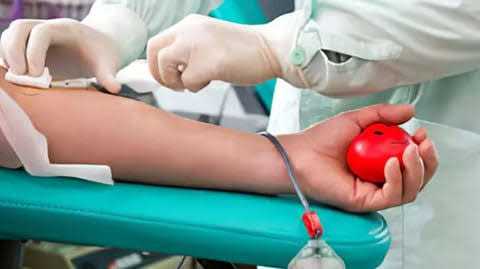
Donation is performed under medical supervision using sterile, single-use equipment. The amount collected depends on the approved donation category and the donor's eligibility. Most eligible donors can resume routine activities shortly afterwards, provided they follow post-donation advice.
Common concerns also deserve clarification. Vegetarianism alone does not disqualify someone from donating blood; eligibility depends on haemoglobin levels, overall health and other prescribed criteria. Blood donation does not transmit infections when sterile, single-use equipment is properly used. Some donors may experience temporary dizziness or weakness, which is why screening, hydration, rest and post-donation care are important.
Donation frequency must follow applicable guidelines and medical advice.
A Call to Action
Blood cannot be manufactured. Its availability depends on human generosity, public awareness and an organised donation system.
I appeal to the public: do not wait for a family emergency to consider donating blood. Become a regular voluntary donor, encourage colleagues and students to participate, and seek medical advice if you are temporarily deferred because of anaemia or another health concern.
Hospitals and blood centres, too, must make donation convenient and dignified through safe facilities, respectful treatment, proper counselling and appropriate post-donation care.
A safe blood system is not built in operation theatres alone. It begins with informed, willing donors—and a society ready to give the gift of life.
Email:-------------------faisalashraf975@gmail.com
Patients with thalassemia major may require regular transfusions throughout their lives. Patients undergoing cancer treatment, dialysis or major cardiac surgery may need planned blood support, while trauma victims and women experiencing postpartum haemorrhage may require it urgently.
Blood transfusion is among the most common medical procedures worldwide, yet it remains widely misunderstood.
As a transfusion medicine specialist, I am often asked: “Doctor, which blood is safer—voluntary donor blood or blood donated by a patient's family member?”
My answer is consistent: all donated blood that passes mandatory screening can be used safely, but a blood system built on regular voluntary donors is safer, more sustainable and more ethical.
Understanding the Difference
A voluntary donor gives blood willingly, without pressure or expectation of personal benefit. A family or replacement donor gives blood when a relative or friend needs it.
The difference lies not necessarily in the blood itself, but in the circumstances surrounding the donation.
Under emotional pressure to arrange blood for a loved one, a replacement donor may feel reluctant to disclose a recent illness, medication or potential risk factor for fear of being deferred and delaying treatment. Regular voluntary donors, by contrast, are more likely to donate without such immediate pressure and may be better placed to provide an accurate health history.
Honest disclosure is a crucial first line of defence in blood safety, complementing mandatory laboratory screening.
Evidence cited by the World Health Organization (WHO) and India's National AIDS Control Organisation (NACO) supports the importance of regular voluntary, non-remunerated blood donation in reducing the risk of transfusion-transmissible infections. However, every donation must undergo the prescribed screening, regardless of the donor category.
Ensuring Round-the-Clock Availability
Blood components have a limited shelf life. Red blood cells can generally be stored for 35–42 days, platelets for about five days under standard storage conditions, and fresh frozen plasma for up to a year under appropriate frozen storage.
This makes a steady supply of donated blood essential.
Patients with thalassemia major may require regular transfusions throughout their lives. Patients undergoing cancer treatment, dialysis or major cardiac surgery may need planned blood support, while trauma victims and women experiencing postpartum haemorrhage may require it urgently.
Such demand cannot be met reliably if blood collection begins only after a patient needs it. Dependence on replacement donors often creates an emergency-driven system, adding anxiety for families and potentially delaying treatment.
A strong voluntary donation network ensures that tested blood components are available when needed.
One Donation, Multiple Lives
Modern transfusion medicine relies on component therapy. A single whole-blood donation can be separated into packed red blood cells, plasma and platelets, allowing its components to benefit different patients, depending on their clinical needs.
Red cells may help a patient with severe anaemia, plasma may be required by someone with specific clotting-factor deficiencies, and platelets may support a patient with dangerously low platelet counts.
One donation can therefore help save more than one life.
The National Goal
India's National Blood Policy promotes voluntary, non-remunerated blood donation to build a safe and adequate blood supply. Achieving this goal requires sustained public awareness, regular donor recruitment and efficient blood-bank management.
The WHO also emphasises patient blood management, including the appropriate use of transfusions, assessment before each additional unit in suitable non-bleeding patients, and the identification and treatment of anaemia before planned surgery.
These measures help conserve blood for patients who genuinely need it and reduce avoidable demand.
Eligibility and Safety
Blood donation is generally permitted for eligible adults who meet prescribed age, weight, haemoglobin and health requirements. In India, donor selection is governed by applicable regulations and official guidelines, with screening and deferral decisions made by trained personnel.
Donation is performed under medical supervision using sterile, single-use equipment. The amount collected depends on the approved donation category and the donor's eligibility. Most eligible donors can resume routine activities shortly afterwards, provided they follow post-donation advice.
Common concerns also deserve clarification. Vegetarianism alone does not disqualify someone from donating blood; eligibility depends on haemoglobin levels, overall health and other prescribed criteria. Blood donation does not transmit infections when sterile, single-use equipment is properly used. Some donors may experience temporary dizziness or weakness, which is why screening, hydration, rest and post-donation care are important.
Donation frequency must follow applicable guidelines and medical advice.
A Call to Action
Blood cannot be manufactured. Its availability depends on human generosity, public awareness and an organised donation system.
I appeal to the public: do not wait for a family emergency to consider donating blood. Become a regular voluntary donor, encourage colleagues and students to participate, and seek medical advice if you are temporarily deferred because of anaemia or another health concern.
Hospitals and blood centres, too, must make donation convenient and dignified through safe facilities, respectful treatment, proper counselling and appropriate post-donation care.
A safe blood system is not built in operation theatres alone. It begins with informed, willing donors—and a society ready to give the gift of life.
Email:-------------------faisalashraf975@gmail.com

© Copyright 2023 brighterkashmir.com All Rights Reserved. Quantum Technologies