
BREAKING NEWS
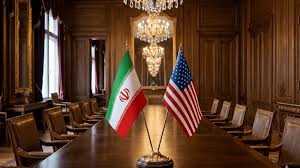
The announcement that a United States–Iran agreement has been “largely negotiated” signals one of the most significant diplomatic openings in recent years, but also raises familiar questions about durability, intent and enforcement. While the reported framework suggests momentum toward de-escalation in a volatile region, the deal remains incomplete, politically contested, and strategically ambiguous. At its core, the emerging understanding reportedly aims to pause hostilities, reopen the Strait of Hormuz, and launch a phased dialogue on Iran’s nuclear programme and regional security issues. According to multiple reports, the proposal has been discussed with regional stakeholders and mediated through diplomatic backchannels, reflecting broad international urgency to stabilise energy routes and prevent escalation. Yet the emphasis on “largely negotiated” is doing heavy rhetorical lifting. It suggests proximity to agreement without binding commitments. Key issues—including verification mechanisms, nuclear restrictions, sanctions relief, and Iran’s regional posture—remain unresolved or deferred to later stages of negotiation. This sequencing approach may be politically convenient, but it risks repeating the structural weaknesses of earlier interim frameworks: early celebration followed by delayed implementation or breakdown. The strategic significance of the proposed deal is undeniable. Any reopening of the Strait of Hormuz would immediately impact global energy flows, reduce insurance premiums for shipping, and ease inflationary pressures in energy-importing economies. However, such gains depend entirely on sustained compliance from both sides in a region where trust deficits are historically deep and enforcement mechanisms weak. Domestically, the agreement faces resistance in Washington from critics who argue it could soften pressure on Tehran without guaranteeing long-term nuclear constraints. In Iran, hardline factions remain wary of concessions under external pressure, particularly if economic relief is conditional or reversible. This dual internal opposition underscores a central paradox: both governments may be closer to agreement externally than they are to consensus at home. The deal also reflects a broader geopolitical recalibration. After years of confrontation, both sides appear increasingly constrained by the costs of escalation—military, economic, and political. Yet constraint does not equal consensus. Ultimately, the phrase “largely negotiated” should be read not as closure, but as transition. It marks the narrowing of differences, not their resolution. Whether this becomes a durable peace framework or another suspended diplomatic episode will depend on what follows: verification, enforcement, and political will on both sides to convert draft understanding into binding reality.
The announcement that a United States–Iran agreement has been “largely negotiated” signals one of the most significant diplomatic openings in recent years, but also raises familiar questions about durability, intent and enforcement. While the reported framework suggests momentum toward de-escalation in a volatile region, the deal remains incomplete, politically contested, and strategically ambiguous. At its core, the emerging understanding reportedly aims to pause hostilities, reopen the Strait of Hormuz, and launch a phased dialogue on Iran’s nuclear programme and regional security issues. According to multiple reports, the proposal has been discussed with regional stakeholders and mediated through diplomatic backchannels, reflecting broad international urgency to stabilise energy routes and prevent escalation. Yet the emphasis on “largely negotiated” is doing heavy rhetorical lifting. It suggests proximity to agreement without binding commitments. Key issues—including verification mechanisms, nuclear restrictions, sanctions relief, and Iran’s regional posture—remain unresolved or deferred to later stages of negotiation. This sequencing approach may be politically convenient, but it risks repeating the structural weaknesses of earlier interim frameworks: early celebration followed by delayed implementation or breakdown. The strategic significance of the proposed deal is undeniable. Any reopening of the Strait of Hormuz would immediately impact global energy flows, reduce insurance premiums for shipping, and ease inflationary pressures in energy-importing economies. However, such gains depend entirely on sustained compliance from both sides in a region where trust deficits are historically deep and enforcement mechanisms weak. Domestically, the agreement faces resistance in Washington from critics who argue it could soften pressure on Tehran without guaranteeing long-term nuclear constraints. In Iran, hardline factions remain wary of concessions under external pressure, particularly if economic relief is conditional or reversible. This dual internal opposition underscores a central paradox: both governments may be closer to agreement externally than they are to consensus at home. The deal also reflects a broader geopolitical recalibration. After years of confrontation, both sides appear increasingly constrained by the costs of escalation—military, economic, and political. Yet constraint does not equal consensus. Ultimately, the phrase “largely negotiated” should be read not as closure, but as transition. It marks the narrowing of differences, not their resolution. Whether this becomes a durable peace framework or another suspended diplomatic episode will depend on what follows: verification, enforcement, and political will on both sides to convert draft understanding into binding reality.

© Copyright 2023 brighterkashmir.com All Rights Reserved. Quantum Technologies