
BREAKING NEWS
The most significant challenge is the potential for misuse in terrorist activities. Terrorist organizations or other non-state actors operating in remote areas could use satellite communication systems to coordinate their activities. Reports of the discovery of Starlink-branded equipment in Manipur in 2024 highlighted this concern. However, the recovery of equipment itself is not conclusive evidence of its actual use or its connection to an organization. Therefore, security assessments must be based on reliable intelligence and technical investigations.
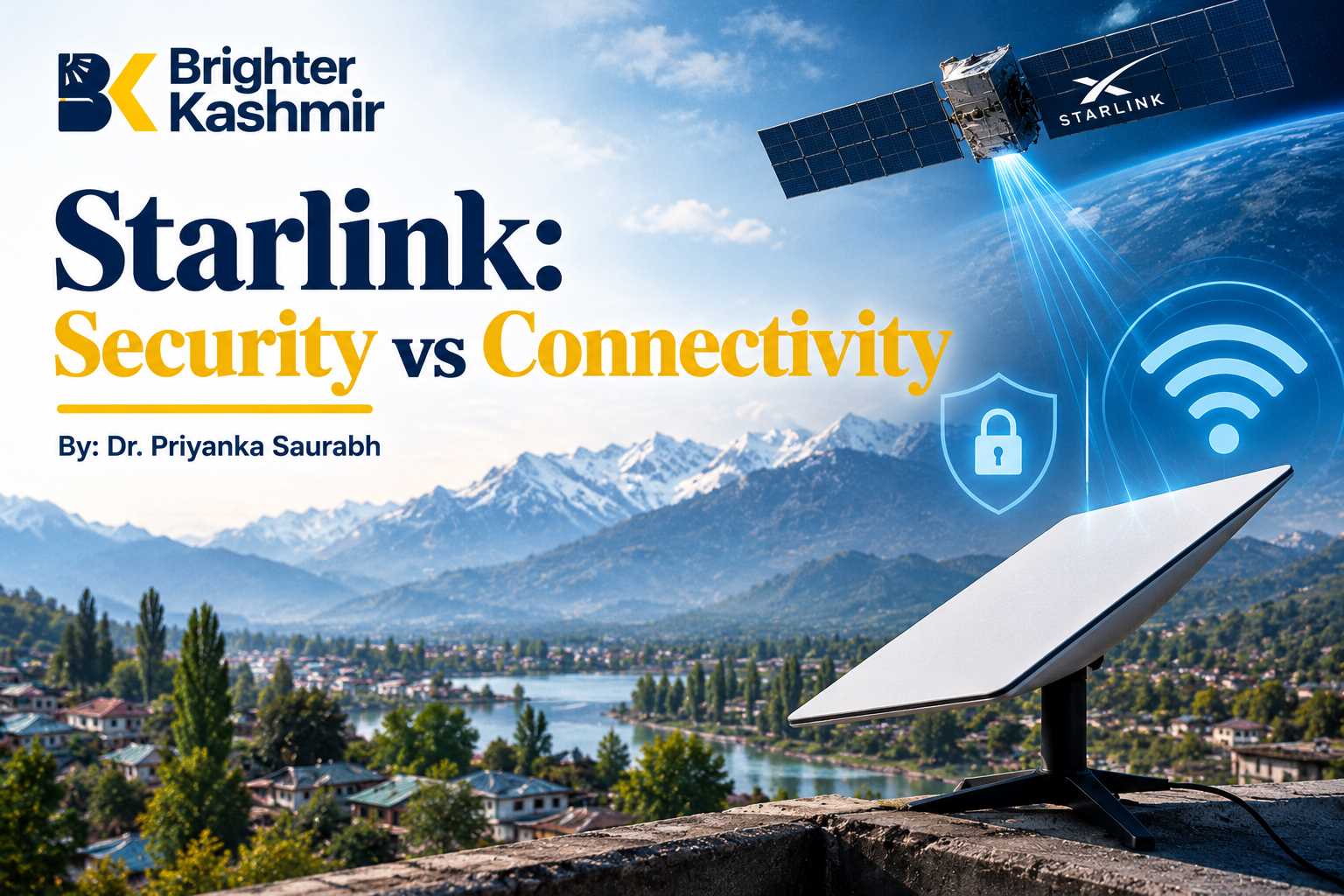
Elon Musk's criticism of the delay in Starlink's launch in India has once again brought the regulation of satellite-based internet services into the spotlight. This debate is not limited to allowing private companies to enter the Indian market, but also involves serious questions such as national security, data sovereignty, border surveillance, and government control over communications. In a country as vast and geographically diverse as India, satellite internet could be an effective means of bridging the digital divide, but the security risks associated with it cannot be ignored.
Services like Starlink provide internet access via satellites in low Earth orbit. They can bring connectivity to remote villages, mountainous regions, islands, and border areas where traditional telecommunications infrastructure is difficult and expensive to install. However, the global nature of these services, their portable terminals, and their reliance on foreign companies pose new challenges for regulatory authorities.
The most significant challenge is the potential for misuse in terrorist activities. Terrorist organizations or other non-state actors operating in remote areas could use satellite communication systems to coordinate their activities. Reports of the discovery of Starlink-branded equipment in Manipur in 2024 highlighted this concern. However, the recovery of equipment itself is not conclusive evidence of its actual use or its connection to an organization. Therefore, security assessments must be based on reliable intelligence and technical investigations.
The second challenge relates to cross-border crime and smuggling. India's long international borders, vast maritime areas, and difficult geographical conditions already pose challenges for security agencies. If satellite internet terminals are used to coordinate illegal activities, identifying criminals and investigating their communications could be difficult. Starlink devices were also discussed in the context of drug seizures in the Andaman region in 2024. In such cases, the actual role of the devices must be confirmed, as their mere presence does not prove a direct link between smuggling and satellite networks.
The third challenge is data sovereignty and foreign control. Satellite network operations, technical management, and some data-related processes may be controlled outside India. This raises questions about who will have control over Indian users' communications data, where it will be processed, and how access to information required under Indian laws will be ensured. Without clear rules on these issues, it may be difficult for investigative agencies and regulators to effectively exercise their legal powers.
The fourth challenge is lawful surveillance and law enforcement. In traditional telecommunications networks, lawful surveillance mechanisms can be implemented through service providers, licensing conditions, and domestic network infrastructure. Satellite internet, due to overseas network operations and cross-border data flows, may require additional technical capacity and international cooperation to implement these mechanisms. If service providers are unable to comply with lawful orders in accordance with Indian laws, investigations into terrorism, organized crime, and cybercrime could be hampered. Furthermore, the exercise of surveillance powers must be subject to clear legislation, proportionality, and accountability, ensuring citizens' privacy and fundamental rights are protected.
The fifth challenge is strategic dependence. Starlink's role during the Ukraine war demonstrated that private satellite communications systems can be crucial in times of crisis and war. Such systems help maintain communications, but excessive dependence on a foreign company's business decisions, changes in terms of service, or technical disruptions can pose a risk to national interests. India must ensure that its critical communications services do not become dependent on a single foreign provider in an emergency.
To address these challenges, a clear and effective licensing regime is essential. Satellite internet service providers must comply with applicable requirements of the Department of Telecommunications, the Indian National Space Promotion and Authorization Center, and relevant security agencies. Licensing, spectrum allocation, and security clearance processes should be transparent, timely, and based on uniform standards. Sensitive matters should be properly investigated, avoiding indefinite delays in the name of national security.
Second, clear rules should be established for domestic network infrastructure and data management. Where technically necessary and feasible, domestic gateways and monitoring systems should be ensured, which are legal under Indian laws. It would be more practical to adopt risk-based regulation rather than imposing a uniform technical model on all services.
Third, effective systems for user verification and terminal registration must be in place. Records of the ownership, registration, and terms of use of authorized devices must be maintained. Coordination between service providers and security agencies should be established to identify stolen devices, unauthorized terminals, and suspicious activity. Geographical restrictions may be implemented as needed in sensitive border areas, but they must be based on a clear security assessment.
Fourth, regular cybersecurity testing, independent security audits, and emergency response plans should be mandated. Service providers should be required to report cyberattacks, data breaches, and network disruptions promptly and cooperate with security agencies. Additionally, India should increase investment in indigenous satellite communications capabilities, research, and technological innovation to reduce strategic dependence.
Ultimately, the question of satellite internet is not just a question of technology or business, but a challenge of balancing digital rights, national sovereignty, and internal security. India must adopt a policy that provides affordable internet access to remote areas, encourages investment and innovation, and effectively addresses security concerns. Only through transparent regulation, technological self-reliance, accountable oversight, and international cooperation can India pursue digital progress consistent with its national security.
Email:-----------------------priyankasaurabh9416@gmail.com
The most significant challenge is the potential for misuse in terrorist activities. Terrorist organizations or other non-state actors operating in remote areas could use satellite communication systems to coordinate their activities. Reports of the discovery of Starlink-branded equipment in Manipur in 2024 highlighted this concern. However, the recovery of equipment itself is not conclusive evidence of its actual use or its connection to an organization. Therefore, security assessments must be based on reliable intelligence and technical investigations.
Elon Musk's criticism of the delay in Starlink's launch in India has once again brought the regulation of satellite-based internet services into the spotlight. This debate is not limited to allowing private companies to enter the Indian market, but also involves serious questions such as national security, data sovereignty, border surveillance, and government control over communications. In a country as vast and geographically diverse as India, satellite internet could be an effective means of bridging the digital divide, but the security risks associated with it cannot be ignored.
Services like Starlink provide internet access via satellites in low Earth orbit. They can bring connectivity to remote villages, mountainous regions, islands, and border areas where traditional telecommunications infrastructure is difficult and expensive to install. However, the global nature of these services, their portable terminals, and their reliance on foreign companies pose new challenges for regulatory authorities.
The most significant challenge is the potential for misuse in terrorist activities. Terrorist organizations or other non-state actors operating in remote areas could use satellite communication systems to coordinate their activities. Reports of the discovery of Starlink-branded equipment in Manipur in 2024 highlighted this concern. However, the recovery of equipment itself is not conclusive evidence of its actual use or its connection to an organization. Therefore, security assessments must be based on reliable intelligence and technical investigations.
The second challenge relates to cross-border crime and smuggling. India's long international borders, vast maritime areas, and difficult geographical conditions already pose challenges for security agencies. If satellite internet terminals are used to coordinate illegal activities, identifying criminals and investigating their communications could be difficult. Starlink devices were also discussed in the context of drug seizures in the Andaman region in 2024. In such cases, the actual role of the devices must be confirmed, as their mere presence does not prove a direct link between smuggling and satellite networks.
The third challenge is data sovereignty and foreign control. Satellite network operations, technical management, and some data-related processes may be controlled outside India. This raises questions about who will have control over Indian users' communications data, where it will be processed, and how access to information required under Indian laws will be ensured. Without clear rules on these issues, it may be difficult for investigative agencies and regulators to effectively exercise their legal powers.
The fourth challenge is lawful surveillance and law enforcement. In traditional telecommunications networks, lawful surveillance mechanisms can be implemented through service providers, licensing conditions, and domestic network infrastructure. Satellite internet, due to overseas network operations and cross-border data flows, may require additional technical capacity and international cooperation to implement these mechanisms. If service providers are unable to comply with lawful orders in accordance with Indian laws, investigations into terrorism, organized crime, and cybercrime could be hampered. Furthermore, the exercise of surveillance powers must be subject to clear legislation, proportionality, and accountability, ensuring citizens' privacy and fundamental rights are protected.
The fifth challenge is strategic dependence. Starlink's role during the Ukraine war demonstrated that private satellite communications systems can be crucial in times of crisis and war. Such systems help maintain communications, but excessive dependence on a foreign company's business decisions, changes in terms of service, or technical disruptions can pose a risk to national interests. India must ensure that its critical communications services do not become dependent on a single foreign provider in an emergency.
To address these challenges, a clear and effective licensing regime is essential. Satellite internet service providers must comply with applicable requirements of the Department of Telecommunications, the Indian National Space Promotion and Authorization Center, and relevant security agencies. Licensing, spectrum allocation, and security clearance processes should be transparent, timely, and based on uniform standards. Sensitive matters should be properly investigated, avoiding indefinite delays in the name of national security.
Second, clear rules should be established for domestic network infrastructure and data management. Where technically necessary and feasible, domestic gateways and monitoring systems should be ensured, which are legal under Indian laws. It would be more practical to adopt risk-based regulation rather than imposing a uniform technical model on all services.
Third, effective systems for user verification and terminal registration must be in place. Records of the ownership, registration, and terms of use of authorized devices must be maintained. Coordination between service providers and security agencies should be established to identify stolen devices, unauthorized terminals, and suspicious activity. Geographical restrictions may be implemented as needed in sensitive border areas, but they must be based on a clear security assessment.
Fourth, regular cybersecurity testing, independent security audits, and emergency response plans should be mandated. Service providers should be required to report cyberattacks, data breaches, and network disruptions promptly and cooperate with security agencies. Additionally, India should increase investment in indigenous satellite communications capabilities, research, and technological innovation to reduce strategic dependence.
Ultimately, the question of satellite internet is not just a question of technology or business, but a challenge of balancing digital rights, national sovereignty, and internal security. India must adopt a policy that provides affordable internet access to remote areas, encourages investment and innovation, and effectively addresses security concerns. Only through transparent regulation, technological self-reliance, accountable oversight, and international cooperation can India pursue digital progress consistent with its national security.
Email:-----------------------priyankasaurabh9416@gmail.com

© Copyright 2023 brighterkashmir.com All Rights Reserved. Quantum Technologies