The Union Minister also emphasised the government’s push on compressed biogas (CBG), green hydrogen and indigenous clean-energy technologies, alongside continued investments in conventional fuels. “Traditional energy will remain essential, but the strides we are making—from ethanol blending to CBG, hydrogen and biofuels—give us confidence that greener fuels will play an expanding role,” he said.
India has demonstrated strong preparedness to navigate sustained geopolitical volatility in global energy markets and will continue to occupy centre stage in international energy discourse, Union Minister for Petroleum and Natural Gas Hardeep Singh Puri said at the Closing Ceremony of India Energy Week (IEW) 2026. The event was organised in Goa from 27th January to 30th January 2026.
Speaking during the closing fireside chat, Puri emphasised that India’s energy strategy is anchored in diversification, resilience and forward-looking transitions. “We have coped very well with successive geopolitical shocks. Each challenge has been converted into an opportunity—through diversification of supply sources and a rapid transition towards cleaner fuels,” the Union Minister said.
Highlighting India’s global standing, Puri noted that the country is today the third-largest energy consumer, fourth-largest refiner and among the top exporters of petroleum products, “India will continue to ensure availability, affordability and sustainability of energy, even amid global uncertainty,” Puri added.
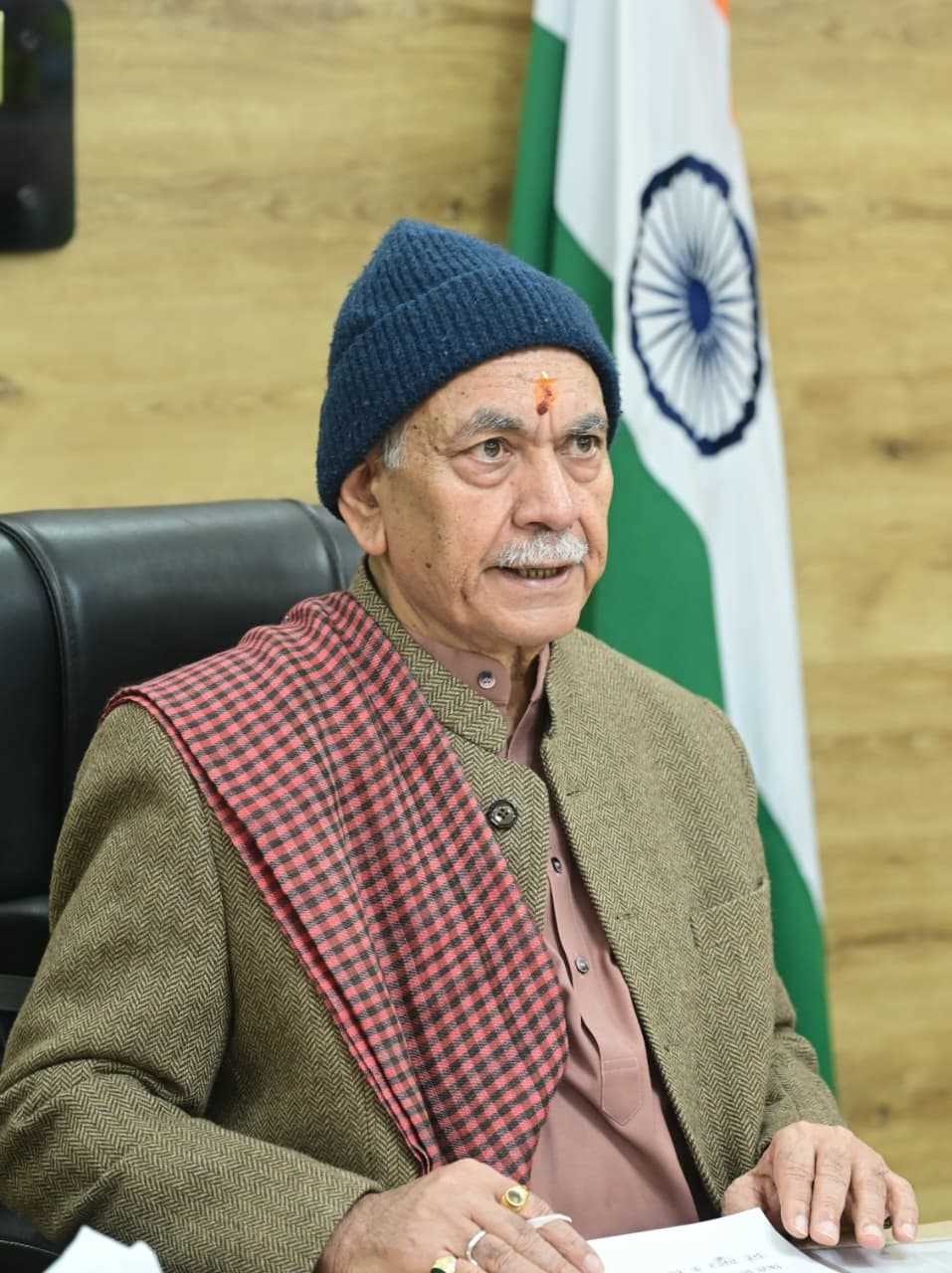
The Union Minister also emphasised the government’s push on compressed biogas (CBG), green hydrogen and indigenous clean-energy technologies, alongside continued investments in conventional fuels. “Traditional energy will remain essential, but the strides we are making—from ethanol blending to CBG, hydrogen and biofuels—give us confidence that greener fuels will play an expanding role,” he said.
Addressing concerns around consumer impact during global price shocks, the Minister said that India has successfully insulated its citizens from volatility. “Global turmoil has never been passed on to the consumer. India today has among the lowest energy prices in the world, and uninterrupted supply has been maintained even during crises,” he said, citing timely interventions by oil marketing companies in ensuring fuel prices, including that of LPG, remained affordable to consumers.
Following the Minister, Dr. Neeraj Mittal, Secretary, Ministry of Petroleum and Natural Gas, presented the government’s blueprint to support India’s growth trajectory. “With projected economic growth of over 7 percent, energy demand will rise sharply. Our focus rests on two pillars: strengthening domestic exploration and production, and positioning India as a reliable supplier of refined products to the world,” the Secretary said.
Dr. Mittal outlined ambitious plans to accelerate upstream activity, including increased drilling and exploration to enhance self-reliance. He also stressed on integration of refining and petrochemicals to maximise value addition and reduce imports. “We are building scale at home while remaining competitive globally,” he added.
On energy transition, Dr. Mittal highlighted the importance of technology and digitalisation. “From logistics optimisation to AI-driven efficiencies, technology is becoming central to lowering costs and improving operational resilience,” he noted. He added that India is well on track to meet its targets on CBG, with a goal of achieving 5 percent blending by 2030, supported by active state participation and farmer-led biomass supply chains.
The closing session reinforced India Energy Week 2026’s role as a platform that bridges energy security, affordability and sustainability, while positioning India as a steady, credible and pragmatic leader in a rapidly evolving global energy landscape.
About India Energy Week
India Energy Week is the country’s flagship global energy platform, bringing together government leaders, industry executives and innovators to accelerate progress toward a secure, sustainable and affordable energy future. As a neutral international forum, IEW drives investment, policy alignment and technological collaboration shaping the global energy landscape.
India Energy Week (IEW) 2026, held from 27–30 January 2026 at the ONGC Advanced Training Institute in Goa, emerged as one of the most significant global gatherings for the energy sector — uniting policymakers, industry leaders, investors, innovators, and technical experts from around the world. Hosted under the patronage of the Ministry of Petroleum & Natural Gas, Government of India and jointly organised by the Federation of Indian Petroleum Industry (FIPI) and dmg events, the fourth edition of IEW reinforced India’s role at the heart of global energy transformation and cooperation.
A Global Platform for Energy Dialogue and Action
IEW 2026 hosted more than 75,000 energy professionals, 700 exhibiting companies, 6,500 conference delegates, and participants from over 120 countries across its four days, underscoring its status as one of the world’s leading energy forums. The event featured 110 sessions with 550 speakers, with discussions spanning energy security, investment strategies, technological innovation, decarbonisation pathways, and future energy systems.
The scale of IEW reflects India’s rising importance in the global energy landscape. According to projections, India is expected to account for more than 23% of the global incremental energy demand by 2050, making such dialogues crucial for shaping resilient and inclusive energy futures.
Vision and Strategic Focus Areas
IEW 2026 centred around several major themes:
Energy Security and Resilience
Delegates emphasised the need to strengthen energy security in an increasingly volatile geopolitical context. Discussions focused on supply diversification, infrastructure readiness, and strategic partnerships that can cushion markets against future disruptions.
Transition to Clean and Sustainable Energy
A core pillar of the event was sustainable transformation across the energy value chain. Sessions explored pathways for integrating renewables (such as solar and wind), hydrogen economies, biofuels, electrification, and carbon capture utilisation and storage (CCUS), alongside digital tools and AI solutions to accelerate decarbonisation.
Investment and Capital Flows
India pitched its energy sector as a $500 billion investment opportunity, calling on global players to engage in infrastructure build-out, green technologies, and domestic manufacturing growth. This push for capital inflow aims to boost domestic capabilities and strengthen India’s position as a hub for energy innovation.
4. Technology and Innovation
IEW highlighted breakthroughs in digitalisation, grid modernisation, sustainable fuels, and advanced mobility solutions. For example, the Society of Indian Automobile Manufacturers (SIAM) showcased a Sustainable Mobility Pavilion featuring vehicles and powertrain technologies across electric, hydrogen, biofuel, and gas platforms — reflecting the convergence of transport and energy decarbonisation goals.
Ministerial & High-Level Engagements
The high-level presence at IEW 2026 emphasised global energy diplomacy and cooperation:
Prime Minister Narendra Modi inaugurated the event virtually, reinforcing India’s long-term vision for secure, affordable, and sustainable energy systems.
Union Minister Hardeep Singh Puri was among the key figures driving discussions on strategic energy priorities and global partnerships.
International energy ministers, including from the UAE and Canada, discussed grid modernisation, clean energy integration, crude oil and LNG supply collaborations, and infrastructure investments, deepening strategic partnerships that span continents.
Delegations such as the Shanghai Cooperation Organisation (SCO) participated in panel sessions on energy cooperation and sustainable development among member states.
Exhibition and Innovation Hub
The IEW exhibition was a critical highlight, presenting:
700 global companies across the entire energy value chain.
Over 12 international country pavilions showcasing national technologies, investment opportunities, and policy frameworks.
Eleven thematic zones including LNG, hydrogen, renewable energy, digitalisation & AI, nuclear, biofuels, petrochemicals, city gas distribution, and India Net Zero.
The exhibition floor served as a live demonstration of cutting-edge solutions, from advanced materials and engineering technologies to digital platforms enabling smarter energy systems. This diverse showcase reflected the broad spectrum of approaches needed to tackle complex energy challenges.
Conferences and Knowledge Exchange
Parallel to the exhibition, IEW 2026’s conference programme offered deep dives into strategic policy and technical implementation:
Strategic Conference: High-level ministerial roundtables, policy dialogues, CEO forums, and investment discussions defined strategic priorities around securing energy supply, climate goals, and equitable growth.
Technical Conference: With engineers, researchers, and sector specialists, sessions tackled real-world deployment challenges — spanning smart grids, CCUS, hydrogen infrastructure, digital transformation, and clean mobility solutions.
These deliberations provided a comprehensive platform where ambition met operational insights — helping bridge the gap between high-level policy and actionable engineering strategies.
Business Opportunities and Networking
IEW 2026 became a hub for deal-making, partnerships, and investment discussions:
Business matchmaking and networking lounges facilitated multi-stakeholder engagements.
Leadership roundtables under Chatham House Rule enabled candid dialogues among global CEOs, ministers, and industry experts.
Start-ups and innovators gained a platform to interface with venture capitalists, corporates, and policy influencers.
The event’s vast scale also meant ripe opportunities for local and global firms to establish or expand their presence in India’s burgeoning energy markets — driving collaboration from early-stage innovation to large-scale deployment.
India’s Strategic Energy Position
A broader narrative at IEW 2026 was India’s evolving role in the global energy order:
India is the third-largest energy consumer and among the world’s leading refining and petroleum product exporting nations, underscoring its strategic importance.
The focus on building resilient and diversified supply chains — including joint ventures in energy infrastructure, fossil fuels, and clean technologies — demonstrated India’s commitment to balancing energy security with sustainable transition goals.
The discussions also reflected a growing desire among nations to pursue diverse partnerships that reduce dependency on any single market or geopolitical bloc — especially against the backdrop of shifting global dynamics.
Impact and Future Outlook
By spotlighting investment potential, technological innovation, and cooperative frameworks, India Energy Week 2026:
Positioned India as a global hub for energy convergence, investment, and leadership.
Reinforced the need for collaborative pathways to navigate the energy transition, balancing affordability, accessibility, and sustainability.
Created momentum for policy harmonisation, cross-border projects, and future-ready energy ecosystems.
The event’s success offers a springboard for follow-up initiatives at bilateral and multilateral levels — from trade agreements and joint ventures to shared research and infrastructure partnerships in emerging energy domains.
Looking Ahead
India Energy Week has rapidly grown into a cornerstone event where policy, capital, technology, and innovation intersect to tackle global energy challenges. The 2026 iteration not only deepened India’s engagement with global energy stakeholders but also catalysed meaningful discussions on practical energy solutions, multi-sectoral partnerships, and future growth pathways. With global energy demand rising and climate commitments tightening, platforms like IEW will remain crucial in aligning diverse interests towards secure, sustainable, and inclusive energy futures.
Email:--------------------------------drdkgiri@gmail.com

The Union Minister also emphasised the government’s push on compressed biogas (CBG), green hydrogen and indigenous clean-energy technologies, alongside continued investments in conventional fuels. “Traditional energy will remain essential, but the strides we are making—from ethanol blending to CBG, hydrogen and biofuels—give us confidence that greener fuels will play an expanding role,” he said.
India has demonstrated strong preparedness to navigate sustained geopolitical volatility in global energy markets and will continue to occupy centre stage in international energy discourse, Union Minister for Petroleum and Natural Gas Hardeep Singh Puri said at the Closing Ceremony of India Energy Week (IEW) 2026. The event was organised in Goa from 27th January to 30th January 2026.
Speaking during the closing fireside chat, Puri emphasised that India’s energy strategy is anchored in diversification, resilience and forward-looking transitions. “We have coped very well with successive geopolitical shocks. Each challenge has been converted into an opportunity—through diversification of supply sources and a rapid transition towards cleaner fuels,” the Union Minister said.
Highlighting India’s global standing, Puri noted that the country is today the third-largest energy consumer, fourth-largest refiner and among the top exporters of petroleum products, “India will continue to ensure availability, affordability and sustainability of energy, even amid global uncertainty,” Puri added.
The Union Minister also emphasised the government’s push on compressed biogas (CBG), green hydrogen and indigenous clean-energy technologies, alongside continued investments in conventional fuels. “Traditional energy will remain essential, but the strides we are making—from ethanol blending to CBG, hydrogen and biofuels—give us confidence that greener fuels will play an expanding role,” he said.
Addressing concerns around consumer impact during global price shocks, the Minister said that India has successfully insulated its citizens from volatility. “Global turmoil has never been passed on to the consumer. India today has among the lowest energy prices in the world, and uninterrupted supply has been maintained even during crises,” he said, citing timely interventions by oil marketing companies in ensuring fuel prices, including that of LPG, remained affordable to consumers.
Following the Minister, Dr. Neeraj Mittal, Secretary, Ministry of Petroleum and Natural Gas, presented the government’s blueprint to support India’s growth trajectory. “With projected economic growth of over 7 percent, energy demand will rise sharply. Our focus rests on two pillars: strengthening domestic exploration and production, and positioning India as a reliable supplier of refined products to the world,” the Secretary said.
Dr. Mittal outlined ambitious plans to accelerate upstream activity, including increased drilling and exploration to enhance self-reliance. He also stressed on integration of refining and petrochemicals to maximise value addition and reduce imports. “We are building scale at home while remaining competitive globally,” he added.
On energy transition, Dr. Mittal highlighted the importance of technology and digitalisation. “From logistics optimisation to AI-driven efficiencies, technology is becoming central to lowering costs and improving operational resilience,” he noted. He added that India is well on track to meet its targets on CBG, with a goal of achieving 5 percent blending by 2030, supported by active state participation and farmer-led biomass supply chains.
The closing session reinforced India Energy Week 2026’s role as a platform that bridges energy security, affordability and sustainability, while positioning India as a steady, credible and pragmatic leader in a rapidly evolving global energy landscape.
About India Energy Week
India Energy Week is the country’s flagship global energy platform, bringing together government leaders, industry executives and innovators to accelerate progress toward a secure, sustainable and affordable energy future. As a neutral international forum, IEW drives investment, policy alignment and technological collaboration shaping the global energy landscape.
India Energy Week (IEW) 2026, held from 27–30 January 2026 at the ONGC Advanced Training Institute in Goa, emerged as one of the most significant global gatherings for the energy sector — uniting policymakers, industry leaders, investors, innovators, and technical experts from around the world. Hosted under the patronage of the Ministry of Petroleum & Natural Gas, Government of India and jointly organised by the Federation of Indian Petroleum Industry (FIPI) and dmg events, the fourth edition of IEW reinforced India’s role at the heart of global energy transformation and cooperation.
A Global Platform for Energy Dialogue and Action
IEW 2026 hosted more than 75,000 energy professionals, 700 exhibiting companies, 6,500 conference delegates, and participants from over 120 countries across its four days, underscoring its status as one of the world’s leading energy forums. The event featured 110 sessions with 550 speakers, with discussions spanning energy security, investment strategies, technological innovation, decarbonisation pathways, and future energy systems.
The scale of IEW reflects India’s rising importance in the global energy landscape. According to projections, India is expected to account for more than 23% of the global incremental energy demand by 2050, making such dialogues crucial for shaping resilient and inclusive energy futures.
Vision and Strategic Focus Areas
IEW 2026 centred around several major themes:
Energy Security and Resilience
Delegates emphasised the need to strengthen energy security in an increasingly volatile geopolitical context. Discussions focused on supply diversification, infrastructure readiness, and strategic partnerships that can cushion markets against future disruptions.
Transition to Clean and Sustainable Energy
A core pillar of the event was sustainable transformation across the energy value chain. Sessions explored pathways for integrating renewables (such as solar and wind), hydrogen economies, biofuels, electrification, and carbon capture utilisation and storage (CCUS), alongside digital tools and AI solutions to accelerate decarbonisation.
Investment and Capital Flows
India pitched its energy sector as a $500 billion investment opportunity, calling on global players to engage in infrastructure build-out, green technologies, and domestic manufacturing growth. This push for capital inflow aims to boost domestic capabilities and strengthen India’s position as a hub for energy innovation.
4. Technology and Innovation
IEW highlighted breakthroughs in digitalisation, grid modernisation, sustainable fuels, and advanced mobility solutions. For example, the Society of Indian Automobile Manufacturers (SIAM) showcased a Sustainable Mobility Pavilion featuring vehicles and powertrain technologies across electric, hydrogen, biofuel, and gas platforms — reflecting the convergence of transport and energy decarbonisation goals.
Ministerial & High-Level Engagements
The high-level presence at IEW 2026 emphasised global energy diplomacy and cooperation:
Prime Minister Narendra Modi inaugurated the event virtually, reinforcing India’s long-term vision for secure, affordable, and sustainable energy systems.
Union Minister Hardeep Singh Puri was among the key figures driving discussions on strategic energy priorities and global partnerships.
International energy ministers, including from the UAE and Canada, discussed grid modernisation, clean energy integration, crude oil and LNG supply collaborations, and infrastructure investments, deepening strategic partnerships that span continents.
Delegations such as the Shanghai Cooperation Organisation (SCO) participated in panel sessions on energy cooperation and sustainable development among member states.
Exhibition and Innovation Hub
The IEW exhibition was a critical highlight, presenting:
700 global companies across the entire energy value chain.
Over 12 international country pavilions showcasing national technologies, investment opportunities, and policy frameworks.
Eleven thematic zones including LNG, hydrogen, renewable energy, digitalisation & AI, nuclear, biofuels, petrochemicals, city gas distribution, and India Net Zero.
The exhibition floor served as a live demonstration of cutting-edge solutions, from advanced materials and engineering technologies to digital platforms enabling smarter energy systems. This diverse showcase reflected the broad spectrum of approaches needed to tackle complex energy challenges.
Conferences and Knowledge Exchange
Parallel to the exhibition, IEW 2026’s conference programme offered deep dives into strategic policy and technical implementation:
Strategic Conference: High-level ministerial roundtables, policy dialogues, CEO forums, and investment discussions defined strategic priorities around securing energy supply, climate goals, and equitable growth.
Technical Conference: With engineers, researchers, and sector specialists, sessions tackled real-world deployment challenges — spanning smart grids, CCUS, hydrogen infrastructure, digital transformation, and clean mobility solutions.
These deliberations provided a comprehensive platform where ambition met operational insights — helping bridge the gap between high-level policy and actionable engineering strategies.
Business Opportunities and Networking
IEW 2026 became a hub for deal-making, partnerships, and investment discussions:
Business matchmaking and networking lounges facilitated multi-stakeholder engagements.
Leadership roundtables under Chatham House Rule enabled candid dialogues among global CEOs, ministers, and industry experts.
Start-ups and innovators gained a platform to interface with venture capitalists, corporates, and policy influencers.
The event’s vast scale also meant ripe opportunities for local and global firms to establish or expand their presence in India’s burgeoning energy markets — driving collaboration from early-stage innovation to large-scale deployment.
India’s Strategic Energy Position
A broader narrative at IEW 2026 was India’s evolving role in the global energy order:
India is the third-largest energy consumer and among the world’s leading refining and petroleum product exporting nations, underscoring its strategic importance.
The focus on building resilient and diversified supply chains — including joint ventures in energy infrastructure, fossil fuels, and clean technologies — demonstrated India’s commitment to balancing energy security with sustainable transition goals.
The discussions also reflected a growing desire among nations to pursue diverse partnerships that reduce dependency on any single market or geopolitical bloc — especially against the backdrop of shifting global dynamics.
Impact and Future Outlook
By spotlighting investment potential, technological innovation, and cooperative frameworks, India Energy Week 2026:
Positioned India as a global hub for energy convergence, investment, and leadership.
Reinforced the need for collaborative pathways to navigate the energy transition, balancing affordability, accessibility, and sustainability.
Created momentum for policy harmonisation, cross-border projects, and future-ready energy ecosystems.
The event’s success offers a springboard for follow-up initiatives at bilateral and multilateral levels — from trade agreements and joint ventures to shared research and infrastructure partnerships in emerging energy domains.
Looking Ahead
India Energy Week has rapidly grown into a cornerstone event where policy, capital, technology, and innovation intersect to tackle global energy challenges. The 2026 iteration not only deepened India’s engagement with global energy stakeholders but also catalysed meaningful discussions on practical energy solutions, multi-sectoral partnerships, and future growth pathways. With global energy demand rising and climate commitments tightening, platforms like IEW will remain crucial in aligning diverse interests towards secure, sustainable, and inclusive energy futures.
Email:--------------------------------drdkgiri@gmail.com
© Copyright 2023 brighterkashmir.com All Rights Reserved. Quantum Technologies