
BREAKING NEWS
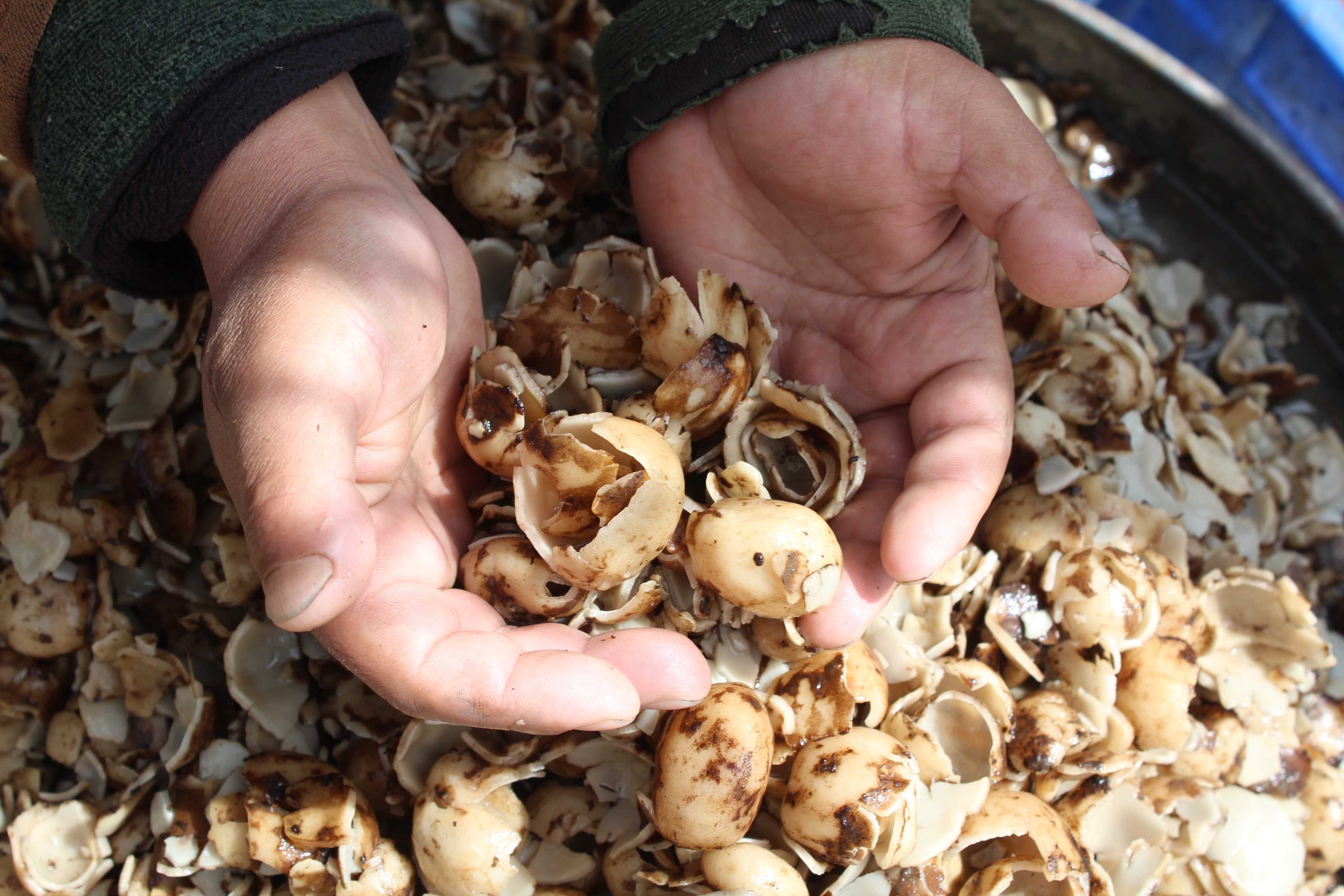
Baramulla, April 17: The seasonal arrival of wild mushrooms, locally known as Shajkaan, has brought a wave of activity to markets in Baramulla, with vendors from remote areas trekking long distances to sell the prized forest produce and earn their livelihood.
On Friday, the market bustled with sellers, many of whom had walked down from Uri and other far-flung villages carrying baskets of freshly collected mushrooms. Harvested from forested and hilly terrains, Shajkaan is considered a delicacy in Kashmir and is highly sought after during its short seasonal window.
Vendors said the trade serves as an important source of income, especially for those living in remote regions with limited economic opportunities. “We collect these mushrooms from the forests early in the morning and then travel several kilometres to reach the market,” said one seller from Uri. “It is hard work, but it helps us support our families.”
The collection process requires experience and caution, as only certain varieties of wild mushrooms are edible. Locals rely on traditional knowledge passed down through generations to identify safe and high-quality produce.
Buyers thronged the market to purchase the mushrooms, known for their unique taste and nutritional value. Many prefer Shajkaan for traditional dishes, making it a seasonal favorite in Kashmiri households.
Despite the demand, vendors highlighted challenges such as long travel distances, lack of proper storage facilities, and fluctuating prices. Some also expressed concerns about declining forest yields, which they attribute to environmental changes and overharvesting.
The seasonal trade not only reflects the region’s rich natural resources but also underscores the dependence of rural communities on forest-based livelihoods. For many vendors, the brief Shajkaan season offers a vital opportunity to earn and sustain their households.
Baramulla, April 17: The seasonal arrival of wild mushrooms, locally known as Shajkaan, has brought a wave of activity to markets in Baramulla, with vendors from remote areas trekking long distances to sell the prized forest produce and earn their livelihood.
On Friday, the market bustled with sellers, many of whom had walked down from Uri and other far-flung villages carrying baskets of freshly collected mushrooms. Harvested from forested and hilly terrains, Shajkaan is considered a delicacy in Kashmir and is highly sought after during its short seasonal window.
Vendors said the trade serves as an important source of income, especially for those living in remote regions with limited economic opportunities. “We collect these mushrooms from the forests early in the morning and then travel several kilometres to reach the market,” said one seller from Uri. “It is hard work, but it helps us support our families.”
The collection process requires experience and caution, as only certain varieties of wild mushrooms are edible. Locals rely on traditional knowledge passed down through generations to identify safe and high-quality produce.
Buyers thronged the market to purchase the mushrooms, known for their unique taste and nutritional value. Many prefer Shajkaan for traditional dishes, making it a seasonal favorite in Kashmiri households.
Despite the demand, vendors highlighted challenges such as long travel distances, lack of proper storage facilities, and fluctuating prices. Some also expressed concerns about declining forest yields, which they attribute to environmental changes and overharvesting.
The seasonal trade not only reflects the region’s rich natural resources but also underscores the dependence of rural communities on forest-based livelihoods. For many vendors, the brief Shajkaan season offers a vital opportunity to earn and sustain their households.

© Copyright 2023 brighterkashmir.com All Rights Reserved. Quantum Technologies