06-19-2026     3 رجب 1440

Safeguarding Religious Freedom


For this reason, interference in anyone's personal law is not appropriate. It is also true that personal law is equally important for every community. No group or individual can allow unnecessary interference in its personal law. Protecting the personal law of every community is an essential necessity.

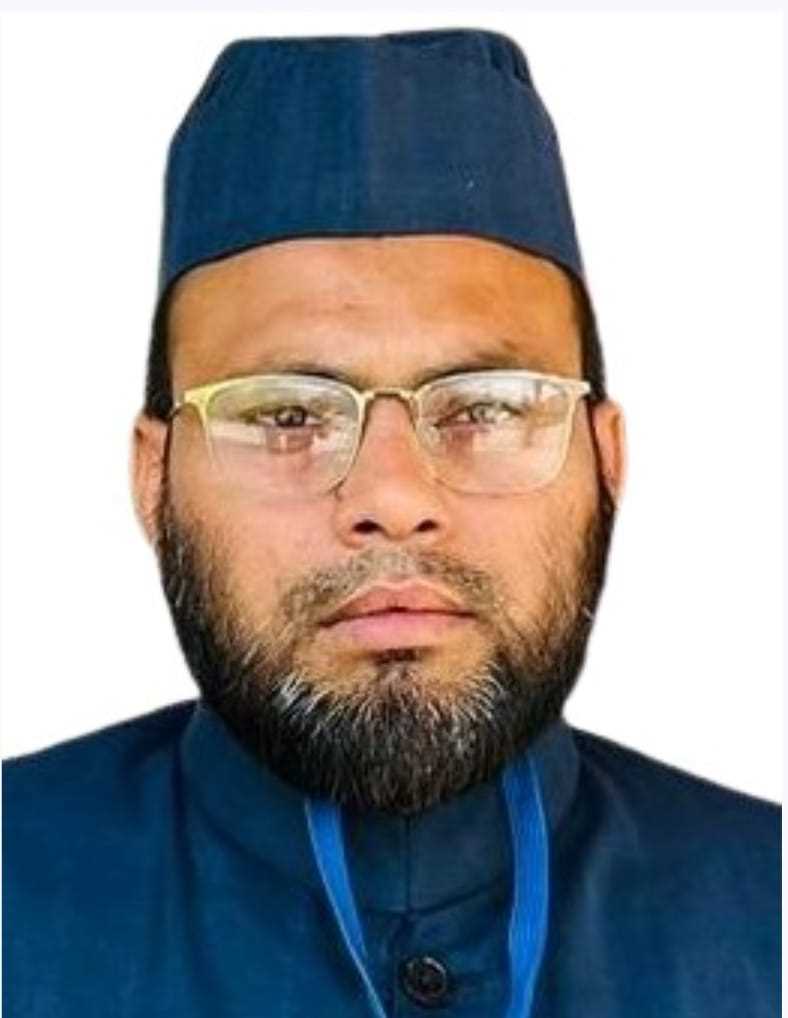
June 19, 2026 | Dr. Zafar Darik Qasmi

It is as clear as daylight that India is a democratic and constitutional country. It is also a fact that followers of every religion in India have their own customs, traditions and ways of life. Therefore, no one should unnecessarily interfere in the customs, traditions or religious practices of another community.

If any group interferes in another community's personal law, it does not only create problems for that particular community, but it also damages the spirit of a democratic and constitutional society and weakens traditions that have existed for centuries.
Unfortunately, in a diverse country like India, some people have tried to interfere in the personal law of a particular community. There have been attempts to limit religious, cultural and linguistic freedom, and these efforts are still continuing. Education has also become a target. Such actions create problems in a plural society like India, and the affected community begins to feel insecure.
For this reason, interference in anyone's personal law is not appropriate. It is also true that personal law is equally important for every community. No group or individual can allow unnecessary interference in its personal law. Protecting the personal law of every community is an essential necessity.
If cultural dignity, religious traditions and social customs are not protected, hatred, hostility, division and conflict will naturally grow in society. Many scholars have highlighted this issue in their writings.
Professor Akhtarul Wasey writes in his article "Muslim Personal Law: Once Again Under the Shadow of Law":
"In recent days, some issues related to Muslim Personal Law have once again been brought before the country's highest courts. It is unfortunate that despite many serious problems faced by the people of the country, these issues are repeatedly raised. Attempts are also made to create communal tension over matters that are part of Muslims' private lives and are closely connected with their religious identity."
(Published in Rashtriya Sahara, 11 September 2022)
In the light of this statement, it can be confidently said that issues related to Muslim family life and personal law are often raised in ways that may create division and differences in society. This is not appropriate.
The truth is that the Constitution gives every religious community the freedom to practise its own personal law. Many thoughtful people have accepted this fact.
Professor Akhtarul Wasey further writes:
"Although Muslims in India have only a few matters in which they are allowed to act according to their faith under the Constitution, these matters are an essential part of their religion and religious life. They are not modern inventions. Muslims have been following them for nearly 1,500 years. Muslims all over the world practise them. Even then, legal debates continue to be created around these issues, and a considerable amount of national resources is spent on them."
(Published in Rashtriya Sahara, 11 September 2022)
Family matters that are deeply connected with Muslim history, culture and religious law should not be unnecessarily debated in a democratic and plural society like India. Such debates can damage human relationships and weaken the harmony that has existed for centuries.
It should also be made clear that if any wrong practice is carried out in society in the name of personal law, then it is a social evil and not a part of Islamic law or Muslim Personal Law.
For example, there are many misunderstandings about halala. In reality, there is no such practice in Islamic law.
Professor Akhtarul Wasey explains:
"There has been much discussion about halala in recent years. Experts in Islamic law have clearly stated that halala, as commonly understood, does not exist in Islamic law and is not mentioned anywhere in Muslim Personal Law. If such a practice exists in society, it is a social evil, just as social evils exist in many communities and religions. Islam strongly condemns such acts. A Hadith recorded in Abu Dawood states that the Prophet Muhammad (peace be upon him) cursed both the person who performs halala and the person for whom it is arranged.
The Qur'an actually explains an exceptional situation. If a woman has received three divorces from her husband, she cannot remarry him immediately. However, she may marry another man. If that second marriage later ends naturally for genuine reasons, she may then marry her first husband again. This is simply a possible situation in which she becomes lawful for her first husband once more. It has nothing to do with any planned or temporary arrangement that turns marriage into a game for personal desires."
(Published in Rashtriya Sahara, 11 September 2022)
Many of the claims and misunderstandings about halala today are baseless. Halala, as a planned practice, has no place in Islamic teachings.
It is also important to recognise that some misunderstandings about this issue exist within Muslim society itself, and these should also be corrected. If such a social evil exists anywhere, it should not be linked with Islam or Islamic law. It is an individual's wrongful action, and it deserves criticism and rejection.
Despite knowing these facts, debates have continued under the name of halala, and many misleading ideas have been spread among people. Such attitudes create suspicion and mistrust in society.
The Constitution of India does not allow interference in Muslim Personal Law. Therefore, if we truly wish to respect the spirit and principles of the Constitution, we must avoid interfering in the personal law of any community.


Email:---------------------ubfzdqasmi@gmail.com

Safeguarding Religious Freedom


For this reason, interference in anyone's personal law is not appropriate. It is also true that personal law is equally important for every community. No group or individual can allow unnecessary interference in its personal law. Protecting the personal law of every community is an essential necessity.

June 19, 2026 | Dr. Zafar Darik Qasmi

It is as clear as daylight that India is a democratic and constitutional country. It is also a fact that followers of every religion in India have their own customs, traditions and ways of life. Therefore, no one should unnecessarily interfere in the customs, traditions or religious practices of another community.

If any group interferes in another community's personal law, it does not only create problems for that particular community, but it also damages the spirit of a democratic and constitutional society and weakens traditions that have existed for centuries.
Unfortunately, in a diverse country like India, some people have tried to interfere in the personal law of a particular community. There have been attempts to limit religious, cultural and linguistic freedom, and these efforts are still continuing. Education has also become a target. Such actions create problems in a plural society like India, and the affected community begins to feel insecure.
For this reason, interference in anyone's personal law is not appropriate. It is also true that personal law is equally important for every community. No group or individual can allow unnecessary interference in its personal law. Protecting the personal law of every community is an essential necessity.
If cultural dignity, religious traditions and social customs are not protected, hatred, hostility, division and conflict will naturally grow in society. Many scholars have highlighted this issue in their writings.
Professor Akhtarul Wasey writes in his article "Muslim Personal Law: Once Again Under the Shadow of Law":
"In recent days, some issues related to Muslim Personal Law have once again been brought before the country's highest courts. It is unfortunate that despite many serious problems faced by the people of the country, these issues are repeatedly raised. Attempts are also made to create communal tension over matters that are part of Muslims' private lives and are closely connected with their religious identity."
(Published in Rashtriya Sahara, 11 September 2022)
In the light of this statement, it can be confidently said that issues related to Muslim family life and personal law are often raised in ways that may create division and differences in society. This is not appropriate.
The truth is that the Constitution gives every religious community the freedom to practise its own personal law. Many thoughtful people have accepted this fact.
Professor Akhtarul Wasey further writes:
"Although Muslims in India have only a few matters in which they are allowed to act according to their faith under the Constitution, these matters are an essential part of their religion and religious life. They are not modern inventions. Muslims have been following them for nearly 1,500 years. Muslims all over the world practise them. Even then, legal debates continue to be created around these issues, and a considerable amount of national resources is spent on them."
(Published in Rashtriya Sahara, 11 September 2022)
Family matters that are deeply connected with Muslim history, culture and religious law should not be unnecessarily debated in a democratic and plural society like India. Such debates can damage human relationships and weaken the harmony that has existed for centuries.
It should also be made clear that if any wrong practice is carried out in society in the name of personal law, then it is a social evil and not a part of Islamic law or Muslim Personal Law.
For example, there are many misunderstandings about halala. In reality, there is no such practice in Islamic law.
Professor Akhtarul Wasey explains:
"There has been much discussion about halala in recent years. Experts in Islamic law have clearly stated that halala, as commonly understood, does not exist in Islamic law and is not mentioned anywhere in Muslim Personal Law. If such a practice exists in society, it is a social evil, just as social evils exist in many communities and religions. Islam strongly condemns such acts. A Hadith recorded in Abu Dawood states that the Prophet Muhammad (peace be upon him) cursed both the person who performs halala and the person for whom it is arranged.
The Qur'an actually explains an exceptional situation. If a woman has received three divorces from her husband, she cannot remarry him immediately. However, she may marry another man. If that second marriage later ends naturally for genuine reasons, she may then marry her first husband again. This is simply a possible situation in which she becomes lawful for her first husband once more. It has nothing to do with any planned or temporary arrangement that turns marriage into a game for personal desires."
(Published in Rashtriya Sahara, 11 September 2022)
Many of the claims and misunderstandings about halala today are baseless. Halala, as a planned practice, has no place in Islamic teachings.
It is also important to recognise that some misunderstandings about this issue exist within Muslim society itself, and these should also be corrected. If such a social evil exists anywhere, it should not be linked with Islam or Islamic law. It is an individual's wrongful action, and it deserves criticism and rejection.
Despite knowing these facts, debates have continued under the name of halala, and many misleading ideas have been spread among people. Such attitudes create suspicion and mistrust in society.
The Constitution of India does not allow interference in Muslim Personal Law. Therefore, if we truly wish to respect the spirit and principles of the Constitution, we must avoid interfering in the personal law of any community.


Email:---------------------ubfzdqasmi@gmail.com

  • Address: R.C 2 Quarters Press Enclave Near Pratap Park, Srinagar 190001.
  • Phone: 0194-2451076 , +91-941-940-0056 , +91-962-292-4716
  • Email: brighterkmr@gmail.com
Owner, Printer, Publisher, Editor: Farooq Ahmad Wani
Legal Advisor: M.J. Hubi
Printed at: Sangermal offset Printing Press Rangreth ( Budgam)
Published from: Gulshanabad Chraresharief Budgam
RNI No.: JKENG/2010/33802
Office No’s: 0194-2451076
Mobile No’s 9419400056, 9622924716 ,7006086442
Postal Regd No: SK/135/2010-2019
POST BOX NO: 1001
Administrative Office: R.C 2 Quarters Press Enclave Near Pratap Park ( Srinagar -190001)

© Copyright 2023 brighterkashmir.com All Rights Reserved. Quantum Technologies

Owner, Printer, Publisher, Editor: Farooq Ahmad Wani
Legal Advisor: M.J. Hubi
Printed at: Abid Enterprizes, Zainkote Srinagar
Published from: Gulshanabad Chraresharief Budgam
RNI No.: JKENG/2010/33802
Office No’s: 0194-2451076, 9622924716 , 9419400056
Postal Regd No: SK/135/2010-2019
Administrative Office: Abi Guzer Srinagar

© Copyright 2018 brighterkashmir.com All Rights Reserved.