
BREAKING NEWS
Genuine Representation or Pakistan's Tool to Engineer Electoral Outcomes?
When I was a kid, I used to feel amazed whenever I heard that there was another Kashmir in Pakistan which they called Azad or Free Kashmir. I used to wonder why it had the prefix “Azad.” No other territory had a similar title like Azad Punjab or Azad Bengal. Why only Kashmir? It made me feel that perhaps they were freer or had something extra to boast about in their name
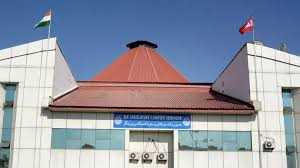
Reserved seats in PoJK remain controversial, as 12 of the 53 seats are allocated to refugees settled across Pakistan rather than to local residents. Critics allege that these seats help Islamabad influence elections, maintain political control, and project its Kashmir narrative internationally, while limiting genuine representation and suppressing opposition voices in the region.
When I was a kid, I used to feel amazed whenever I heard that there was another Kashmir in Pakistan which they called Azad or Free Kashmir. I used to wonder why it had the prefix “Azad.” No other territory had a similar title like Azad Punjab or Azad Bengal. Why only Kashmir? It made me feel that perhaps they were freer or had something extra to boast about in their name. At that time, my political understanding was very limited and naive. As my political awareness evolved, I slowly began to realise the actual meaning behind “Azad” or “Free” Kashmir. I found that they are indeed free, free from rights, infrastructure, schools, roads, and hospitals. They also have something extra: Pakistan’s unnecessary influence, along with a pledge affirming PoJK’s accession to Pakistan before entering the assembly. That was when I understood the actual meaning of “Azad Kashmir.” It is a mirror of deception presented to the world. I also used to wonder why people there did not protest or raise their voices against this situation, only to later discover that they do. Their voices are muffled, their peaceful protests face brutal state crackdowns, and any news from inside PoJK is buried before it reaches the outside world.
The PoJK region has always remained in the news, and recently it has once again caught attention. PoJK is set for elections in a partly fabricated and deeply fragile democratic structure of Pakistan. But this is Pakistan and democracy we are talking about. It can never exist without a catch. PoJK has a total of 53 seats, including 8 reserved seats and 45 general seats. Out of these 45 seats, 12 are reserved for refugees who migrated to Pakistan from Jammu and Kashmir during different periods. Apart from several other issues, these 12 reserved seats have become a serious bone of contention between locals and the Pakistani administration in PoJK. Adding another layer to the controversy, these 12 seats are equally distributed between refugees from Jammu and refugees from the Kashmir region, with 6 seats allotted to each. According to estimates, there are nearly five lakh Jammu refugees compared to only around 30,000 Kashmiri refugees, yet both groups have been given an equal number of seats. Locals describe this as injustice and argue that such a disproportionate seat allocation is unfair.
Now the real issue regarding these 12 reserved seats is that locals argue that these refugees are scattered across different parts of Pakistan, including Islamabad, Sindh, and Punjab, and have little connection with the ground realities, issues, challenges, and daily life of the region. Locals have consistently raised the demand that these seats misrepresent the local population and suppress fair representation. They argue that the representatives elected through these seats remain far removed from the realities faced by the people of PoJK and function in an extraterritorial manner. Locals also allege that these seats are often represented by individuals who remain close to Islamabad and favour its political interests. According to critics, such representatives frequently echo positions that suit Pakistan’s broader narrative rather than addressing the actual concerns of the local population. In essence, many locals believe that these seats function as a channel through which Pakistan exercises influence and control over PoJK, serving Islamabad directly rather than genuinely representing the people of the occupied region.
Locals often cite Pakistan’s objectives behind the entire structure of these reserved seats. According to them, one major purpose is to keep the Kashmir issue alive in international discourse so that Pakistan’s long-standing narrative on Kashmir continues to survive globally.
Another reason, they argue, is to keep the Kashmir sentiment emotionally active within Pakistan itself. In the long run, this provides political leverage to the Pakistani establishment and especially the army, which has historically held significant influence over the country. Critics say this also helps justify continued military dominance and heavy defence spending despite Pakistan’s struggling economy.
The third objective, according to locals, is electoral control. These 12 reserved seats often play a decisive role in shaping electoral outcomes. Through this mechanism, Pakistan is accused of ensuring that a government favourable to Islamabad comes to power in PoJK, allowing it to influence the region’s political structure and balance according to its interests.
The fourth concern revolves around human rights and political control. Critics argue that Pakistan understands that if a government independent of Islamabad’s influence were elected, strong opposition, criticism, and even rebellion from within the PoJK Assembly could emerge. Such a development, they believe, would eventually expose what they describe as the illusion behind the term “Azad Kashmir.”
Local organisations operating under the Joint Awami Action Committee (AAC) have been consistently raising concerns through protests and meetings with Pakistani officials over the issue. They have been pressuring Pakistan to end what they describe as unnecessary interference in the electoral structure of the occupied region. The group has also demanded the abolition of these reserved seats, arguing that they undermine fair political representation. However, according to local voices, their pleas have largely fallen on deaf ears. Amid what they describe as an unfair and unjust political structure, the AAC is now set to hold a massive rally on the 9th of next month, likely ahead of the elections, to demand a resolution to the ongoing issue.
As my political understanding widened, I realised how vicious Pakistan can become, whether in Bangladesh, through terrorism in Kashmir, alleged human rights abuses in Balochistan and Khyber Pakhtunkhwa, or indiscriminate bombardment in Afghanistan that reportedly killed hundreds of innocents.
Pakistan often presents itself as a peace maker and a democratic state, but the situation in PoJK raises serious questions. Critics argue that Pakistan has exploited the emotions and plight of refugees for its own political interests. It claims that PoJK is “free,” yet many locals describe a very different reality. They accuse Islamabad of misusing reserved seats to control elections, suppress genuine demands and opposition voices, and manipulate the political structure of the region. According to critics, Pakistan first occupied the region and then tightened its control over its political system. Not only this, an elected MLA is required to take an oath affirming the region’s accession to Pakistan. Those who refuse are barred from participating in the electoral process. One is then left to wonder how far Pakistan can go in order to maintain power and control over the region.
One can at least expect Pakistan to engage fairly with the people of PoJK, give them their rights, and stop meddling in local affairs. If PoJK was truly “Azad Kashmir,” then why should its elections be controlled according to Islamabad’s narrative? Why must assembly members take an oath affirming accession to Pakistan in the first place? Why impose such restrictions, and why ignore local demands for reform? Many locals continue to question why there has been no resolution to the controversy surrounding the reserved seats. Critics argue that Pakistan already knows the truth, and gradually the world will come to realise it as well: that PoJK remains a territory where people feel occupied, unheard, elections are questioned for fairness, and political loyalty to Islamabad is tested at every step.
Email:------------------------------alizaroon112@gmail.com
Genuine Representation or Pakistan's Tool to Engineer Electoral Outcomes?
When I was a kid, I used to feel amazed whenever I heard that there was another Kashmir in Pakistan which they called Azad or Free Kashmir. I used to wonder why it had the prefix “Azad.” No other territory had a similar title like Azad Punjab or Azad Bengal. Why only Kashmir? It made me feel that perhaps they were freer or had something extra to boast about in their name
Reserved seats in PoJK remain controversial, as 12 of the 53 seats are allocated to refugees settled across Pakistan rather than to local residents. Critics allege that these seats help Islamabad influence elections, maintain political control, and project its Kashmir narrative internationally, while limiting genuine representation and suppressing opposition voices in the region.
When I was a kid, I used to feel amazed whenever I heard that there was another Kashmir in Pakistan which they called Azad or Free Kashmir. I used to wonder why it had the prefix “Azad.” No other territory had a similar title like Azad Punjab or Azad Bengal. Why only Kashmir? It made me feel that perhaps they were freer or had something extra to boast about in their name. At that time, my political understanding was very limited and naive. As my political awareness evolved, I slowly began to realise the actual meaning behind “Azad” or “Free” Kashmir. I found that they are indeed free, free from rights, infrastructure, schools, roads, and hospitals. They also have something extra: Pakistan’s unnecessary influence, along with a pledge affirming PoJK’s accession to Pakistan before entering the assembly. That was when I understood the actual meaning of “Azad Kashmir.” It is a mirror of deception presented to the world. I also used to wonder why people there did not protest or raise their voices against this situation, only to later discover that they do. Their voices are muffled, their peaceful protests face brutal state crackdowns, and any news from inside PoJK is buried before it reaches the outside world.
The PoJK region has always remained in the news, and recently it has once again caught attention. PoJK is set for elections in a partly fabricated and deeply fragile democratic structure of Pakistan. But this is Pakistan and democracy we are talking about. It can never exist without a catch. PoJK has a total of 53 seats, including 8 reserved seats and 45 general seats. Out of these 45 seats, 12 are reserved for refugees who migrated to Pakistan from Jammu and Kashmir during different periods. Apart from several other issues, these 12 reserved seats have become a serious bone of contention between locals and the Pakistani administration in PoJK. Adding another layer to the controversy, these 12 seats are equally distributed between refugees from Jammu and refugees from the Kashmir region, with 6 seats allotted to each. According to estimates, there are nearly five lakh Jammu refugees compared to only around 30,000 Kashmiri refugees, yet both groups have been given an equal number of seats. Locals describe this as injustice and argue that such a disproportionate seat allocation is unfair.
Now the real issue regarding these 12 reserved seats is that locals argue that these refugees are scattered across different parts of Pakistan, including Islamabad, Sindh, and Punjab, and have little connection with the ground realities, issues, challenges, and daily life of the region. Locals have consistently raised the demand that these seats misrepresent the local population and suppress fair representation. They argue that the representatives elected through these seats remain far removed from the realities faced by the people of PoJK and function in an extraterritorial manner. Locals also allege that these seats are often represented by individuals who remain close to Islamabad and favour its political interests. According to critics, such representatives frequently echo positions that suit Pakistan’s broader narrative rather than addressing the actual concerns of the local population. In essence, many locals believe that these seats function as a channel through which Pakistan exercises influence and control over PoJK, serving Islamabad directly rather than genuinely representing the people of the occupied region.
Locals often cite Pakistan’s objectives behind the entire structure of these reserved seats. According to them, one major purpose is to keep the Kashmir issue alive in international discourse so that Pakistan’s long-standing narrative on Kashmir continues to survive globally.
Another reason, they argue, is to keep the Kashmir sentiment emotionally active within Pakistan itself. In the long run, this provides political leverage to the Pakistani establishment and especially the army, which has historically held significant influence over the country. Critics say this also helps justify continued military dominance and heavy defence spending despite Pakistan’s struggling economy.
The third objective, according to locals, is electoral control. These 12 reserved seats often play a decisive role in shaping electoral outcomes. Through this mechanism, Pakistan is accused of ensuring that a government favourable to Islamabad comes to power in PoJK, allowing it to influence the region’s political structure and balance according to its interests.
The fourth concern revolves around human rights and political control. Critics argue that Pakistan understands that if a government independent of Islamabad’s influence were elected, strong opposition, criticism, and even rebellion from within the PoJK Assembly could emerge. Such a development, they believe, would eventually expose what they describe as the illusion behind the term “Azad Kashmir.”
Local organisations operating under the Joint Awami Action Committee (AAC) have been consistently raising concerns through protests and meetings with Pakistani officials over the issue. They have been pressuring Pakistan to end what they describe as unnecessary interference in the electoral structure of the occupied region. The group has also demanded the abolition of these reserved seats, arguing that they undermine fair political representation. However, according to local voices, their pleas have largely fallen on deaf ears. Amid what they describe as an unfair and unjust political structure, the AAC is now set to hold a massive rally on the 9th of next month, likely ahead of the elections, to demand a resolution to the ongoing issue.
As my political understanding widened, I realised how vicious Pakistan can become, whether in Bangladesh, through terrorism in Kashmir, alleged human rights abuses in Balochistan and Khyber Pakhtunkhwa, or indiscriminate bombardment in Afghanistan that reportedly killed hundreds of innocents.
Pakistan often presents itself as a peace maker and a democratic state, but the situation in PoJK raises serious questions. Critics argue that Pakistan has exploited the emotions and plight of refugees for its own political interests. It claims that PoJK is “free,” yet many locals describe a very different reality. They accuse Islamabad of misusing reserved seats to control elections, suppress genuine demands and opposition voices, and manipulate the political structure of the region. According to critics, Pakistan first occupied the region and then tightened its control over its political system. Not only this, an elected MLA is required to take an oath affirming the region’s accession to Pakistan. Those who refuse are barred from participating in the electoral process. One is then left to wonder how far Pakistan can go in order to maintain power and control over the region.
One can at least expect Pakistan to engage fairly with the people of PoJK, give them their rights, and stop meddling in local affairs. If PoJK was truly “Azad Kashmir,” then why should its elections be controlled according to Islamabad’s narrative? Why must assembly members take an oath affirming accession to Pakistan in the first place? Why impose such restrictions, and why ignore local demands for reform? Many locals continue to question why there has been no resolution to the controversy surrounding the reserved seats. Critics argue that Pakistan already knows the truth, and gradually the world will come to realise it as well: that PoJK remains a territory where people feel occupied, unheard, elections are questioned for fairness, and political loyalty to Islamabad is tested at every step.
Email:------------------------------alizaroon112@gmail.com

© Copyright 2023 brighterkashmir.com All Rights Reserved. Quantum Technologies