
BREAKING NEWS
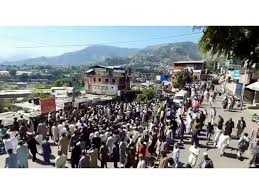
Srinagar, June 23: The recent unrest in Rawalakot has once again brought PoJK into sharp focus, highlighting long-standing grievances over governance, political representation, economic hardship, and civil liberties.
The protests, linked to the Joint Awami Action Committee (JAAC), erupted amid rising discontent over inflation, electricity prices, and allegations of limited political autonomy.
The demonstrators said their movement was rooted in demands for accountability and basic rights, though clashes reportedly broke out between protesters and security forces, turning local demonstrations into a wider political flashpoint.
While authorities maintain that stability and order are essential, activists and observers argue that the response reflects a broader pattern of treating political dissent as a security issue rather than addressing underlying public concerns.
Conflicting accounts of the events have further deepened mistrust, with calls growing for transparency, dialogue, and independent scrutiny.
Reports suggest significant human and social impact, with communities describing fear, disruption, and loss amid the unrest. However, verified casualty figures remain disputed, underscoring the lack of consistent independent reporting from the area.
At the heart of the movement is the JAAC, an alliance of lawyers, traders, and civil society members that has emerged over economic grievances and political dissatisfaction. Its demands include reduced utility costs, greater local control over resources, and an end to what supporters describe as political engineering in governance structures.
The unrest has also spilled beyond the region’s borders.
In London, an estimated 4,000–5,000 British Kashmiris recently marched in support of JAAC, voicing concern over political conditions in PoJK. They have urged the United Nations to send a team to the PoJK to assess the situation and prevent the bloodshed of civilians being carried out by the Pakistan army.
Analysts note that growing diaspora activism reflects deep frustration within sections of Kashmiri society, amplified by economic pressures and perceptions of limited democratic space.
The banning of JAAC under anti-terror laws has further intensified tensions, with critics warning that restrictive measures may deepen alienation rather than resolve grievances.
Observers argue that the crisis in Rawalakot is symptomatic of wider structural issues in PoJK ranging from disputed electoral arrangements and administrative control to resource distribution and rising living costs.
These challenges have created a cycle of protest and crackdown that continues to erode trust between citizens and the state.
The situation in PoJK has reached a critical moment where unresolved political and economic demands are increasingly finding expression on the streets and beyond borders.
As protests spread and international attention slowly builds, calls are growing for dialogue-based solutions.
Srinagar, June 23: The recent unrest in Rawalakot has once again brought PoJK into sharp focus, highlighting long-standing grievances over governance, political representation, economic hardship, and civil liberties.
The protests, linked to the Joint Awami Action Committee (JAAC), erupted amid rising discontent over inflation, electricity prices, and allegations of limited political autonomy.
The demonstrators said their movement was rooted in demands for accountability and basic rights, though clashes reportedly broke out between protesters and security forces, turning local demonstrations into a wider political flashpoint.
While authorities maintain that stability and order are essential, activists and observers argue that the response reflects a broader pattern of treating political dissent as a security issue rather than addressing underlying public concerns.
Conflicting accounts of the events have further deepened mistrust, with calls growing for transparency, dialogue, and independent scrutiny.
Reports suggest significant human and social impact, with communities describing fear, disruption, and loss amid the unrest. However, verified casualty figures remain disputed, underscoring the lack of consistent independent reporting from the area.
At the heart of the movement is the JAAC, an alliance of lawyers, traders, and civil society members that has emerged over economic grievances and political dissatisfaction. Its demands include reduced utility costs, greater local control over resources, and an end to what supporters describe as political engineering in governance structures.
The unrest has also spilled beyond the region’s borders.
In London, an estimated 4,000–5,000 British Kashmiris recently marched in support of JAAC, voicing concern over political conditions in PoJK. They have urged the United Nations to send a team to the PoJK to assess the situation and prevent the bloodshed of civilians being carried out by the Pakistan army.
Analysts note that growing diaspora activism reflects deep frustration within sections of Kashmiri society, amplified by economic pressures and perceptions of limited democratic space.
The banning of JAAC under anti-terror laws has further intensified tensions, with critics warning that restrictive measures may deepen alienation rather than resolve grievances.
Observers argue that the crisis in Rawalakot is symptomatic of wider structural issues in PoJK ranging from disputed electoral arrangements and administrative control to resource distribution and rising living costs.
These challenges have created a cycle of protest and crackdown that continues to erode trust between citizens and the state.
The situation in PoJK has reached a critical moment where unresolved political and economic demands are increasingly finding expression on the streets and beyond borders.
As protests spread and international attention slowly builds, calls are growing for dialogue-based solutions.

© Copyright 2023 brighterkashmir.com All Rights Reserved. Quantum Technologies