11-03-2026     3 رجب 1440

Muslim Women in Freedom Struggle

November 03, 2026 |

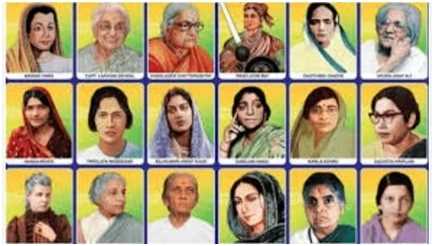
In the long and arduous struggle against colonial rule, Muslim women stood as quiet flames of courage and resolve. From the defiant stand of Begum Hazrat Mahal in 1857, stepped beyond the walls of tradition to join the March of history.
Drawing strength from a heritage that remembered Razia Sultana and Sultana Chand Bibi, they wrote, spoke, organised and endured, proving that the quest for independence was as much their fight as it was the Nation's.


BEGUM HAZRAT MAHAL ( 1820- 1879)


The Queen of Awadh became a legendary figure in the revolt of 1857, when her brother, Nawab Wajid Ali was exiled by the British, she took the command of the rebellion in Lucknow. With remarkable courage and military strategy, she organised forces, allied with other rebels and fought to protect her people from British annexation. Even after being forced into retreat, her refusal to surrender symbolized defiance, leaving behind a legacy of unyielding patriotism.


ABIDA BANO BEGUM ( 1850-1924)


Known as mother of Ali Brorhers, actively participated in Khilafat and Non-Cooperation Movement. She stirred audiences with her fiery speeches in Urdu, urging them to resist British authority. Her leadership inspired Muslim women to step into public life. She proved that motherhood and political activism could merge into a powerful force for national awakening.


BI AMMAN ( AMMAN KHATUN)


Another towering figure of the khilafat Movement. Despite being elderly and observing Purdah for most of her life, She stepped onto the public stage when the nation needed her. Her speeches, often delieverd from behind a veil, called upon women to sell their jewelry and men to sacrifice for freedom. Known for her powerful oratory and material authority, she became a symbol of moral strength, showing that even within traditional constraints, a woman's voice could shake an empire.


ARUNA ASAF ALI ( 1909-1996)


Although often remembered as a socialist leader, her courage during the Quit India Movement of 1942, earned her the title of " The Grand Old Lady of the Independence Movement ".She defied arrest and became a fugutive, editing underground nationalist newspapers and organising protests. Her most iconic act was hoisting the Indian National Congress Flag at Gowalia Tank Maidan, in defiance of British band. Her relentless activism persisted even after Independence, demonstrating her unwavering commitment to social justice and democratic ideals..


FATIMA SHEIKH (1831-1990)


A pioneer in Education, worked alongside Savitri Phule to spread literary among women and marginalised communities. At a time when educating girls was frowned upon, she opened her own home in Pune to run classes for women. While not a frontline political rebel, her work in social reform laid the intellectual foundation for Indias freedom struggle. By empowering women with seeds of self-reliance and critical thinking tools as potent as any political weapon against colonial oppression.


BEGUM ROKHIYA SAKHAWAT: (1880-1932)

She was a visionary educationist and social reformer from Bengal who challenged both colonial rule and conservative traditions. She founded the Sakhawat Memorial Girls School in Kolkatta, dedicated to educating Muslim girls. Her writings such as the Feminist utopia Sultanas Dream. Her activism was rooted in Education and Literacy advocacy, her vision closely aligned with the independence Movement, demonstrating that national freedom and women's emancipation were inextricably linked causes.


QUDSIA BEGUM OF BHOPAL (1814-1881).

She ruled Bhopal with political skill and supported resistance movements against British encroachment. A patron of arts, culture, and education, she also provided safe havens and resources for nationalist leaders. Her governance demonstrated that women could lead with authority and vision in political spheres, Inspiring other Muslim roles beyond domestic boundaries.


BEGUM JAHANARA SHAHNAQAZ( 1896-1979)


A Prominent political leader, served in the All India Women's Conference and the legislative assembly. She opposed discriminatory colonial laws against Women and advocated for their political rights.During the freedom movement, she mobilised women in Punjab, encouraging them to join civil disobedience campaigns. Her work bridged the fight for national independence and the struggle for womens representation in governance.

RAFIA BEGUM

Grandmother of politician Najma Heptulla, participated in civil disobedience protests in the 1930s, known for her quiet but persistent activism, she encouraged young Muslim women to join the nationalist cause, often, providing logistical support, shelter, and resources to political workers.


SAEEDA KHURSHID


She emerged as a young activist in the final decade before independence, particularly active in women's mobilisation drives. She worked to unite women across religious and regional lines, fostering solidarity in political demonstations. Her involvement in processions, meetings and fundraising events highlighted the growing presence of Muslim women in public political life during the 1940s..
Conclusion
The saga of Muslim women in the freedom struggle is a chronicle of courage, vision and unwavering devotion to the motherland. They challenged the foreign yoke, but the deep rooted social barriers confined women to the margins of public life. Through oratory, organisation, education, and symbolic acts of defiance, they nurtured the Nation's dream of sovereignty. Their resilience proved that the quest for freedom is incomplete without the voices of its women. These women, whether on the battlefield, in political arenas, or in classrooms, infused the movement with moral strenth and collective hope.
Their legacy is not only of the past- it is living inheritance, urging future generations to uphold justice, unity and equality.
Muslim women played an active and transformative role in the freedom struggle, not only by participating in protests and political movements but also by breaking social barriers.
Their speeches, writings and leadership inspired unity across communities, bridging political and cultural divides....!!!


Email:-------------------------sofimudasir786.is@gmail.com

Muslim Women in Freedom Struggle

November 03, 2026 |

In the long and arduous struggle against colonial rule, Muslim women stood as quiet flames of courage and resolve. From the defiant stand of Begum Hazrat Mahal in 1857, stepped beyond the walls of tradition to join the March of history.
Drawing strength from a heritage that remembered Razia Sultana and Sultana Chand Bibi, they wrote, spoke, organised and endured, proving that the quest for independence was as much their fight as it was the Nation's.


BEGUM HAZRAT MAHAL ( 1820- 1879)


The Queen of Awadh became a legendary figure in the revolt of 1857, when her brother, Nawab Wajid Ali was exiled by the British, she took the command of the rebellion in Lucknow. With remarkable courage and military strategy, she organised forces, allied with other rebels and fought to protect her people from British annexation. Even after being forced into retreat, her refusal to surrender symbolized defiance, leaving behind a legacy of unyielding patriotism.


ABIDA BANO BEGUM ( 1850-1924)


Known as mother of Ali Brorhers, actively participated in Khilafat and Non-Cooperation Movement. She stirred audiences with her fiery speeches in Urdu, urging them to resist British authority. Her leadership inspired Muslim women to step into public life. She proved that motherhood and political activism could merge into a powerful force for national awakening.


BI AMMAN ( AMMAN KHATUN)


Another towering figure of the khilafat Movement. Despite being elderly and observing Purdah for most of her life, She stepped onto the public stage when the nation needed her. Her speeches, often delieverd from behind a veil, called upon women to sell their jewelry and men to sacrifice for freedom. Known for her powerful oratory and material authority, she became a symbol of moral strength, showing that even within traditional constraints, a woman's voice could shake an empire.


ARUNA ASAF ALI ( 1909-1996)


Although often remembered as a socialist leader, her courage during the Quit India Movement of 1942, earned her the title of " The Grand Old Lady of the Independence Movement ".She defied arrest and became a fugutive, editing underground nationalist newspapers and organising protests. Her most iconic act was hoisting the Indian National Congress Flag at Gowalia Tank Maidan, in defiance of British band. Her relentless activism persisted even after Independence, demonstrating her unwavering commitment to social justice and democratic ideals..


FATIMA SHEIKH (1831-1990)


A pioneer in Education, worked alongside Savitri Phule to spread literary among women and marginalised communities. At a time when educating girls was frowned upon, she opened her own home in Pune to run classes for women. While not a frontline political rebel, her work in social reform laid the intellectual foundation for Indias freedom struggle. By empowering women with seeds of self-reliance and critical thinking tools as potent as any political weapon against colonial oppression.


BEGUM ROKHIYA SAKHAWAT: (1880-1932)

She was a visionary educationist and social reformer from Bengal who challenged both colonial rule and conservative traditions. She founded the Sakhawat Memorial Girls School in Kolkatta, dedicated to educating Muslim girls. Her writings such as the Feminist utopia Sultanas Dream. Her activism was rooted in Education and Literacy advocacy, her vision closely aligned with the independence Movement, demonstrating that national freedom and women's emancipation were inextricably linked causes.


QUDSIA BEGUM OF BHOPAL (1814-1881).

She ruled Bhopal with political skill and supported resistance movements against British encroachment. A patron of arts, culture, and education, she also provided safe havens and resources for nationalist leaders. Her governance demonstrated that women could lead with authority and vision in political spheres, Inspiring other Muslim roles beyond domestic boundaries.


BEGUM JAHANARA SHAHNAQAZ( 1896-1979)


A Prominent political leader, served in the All India Women's Conference and the legislative assembly. She opposed discriminatory colonial laws against Women and advocated for their political rights.During the freedom movement, she mobilised women in Punjab, encouraging them to join civil disobedience campaigns. Her work bridged the fight for national independence and the struggle for womens representation in governance.

RAFIA BEGUM

Grandmother of politician Najma Heptulla, participated in civil disobedience protests in the 1930s, known for her quiet but persistent activism, she encouraged young Muslim women to join the nationalist cause, often, providing logistical support, shelter, and resources to political workers.


SAEEDA KHURSHID


She emerged as a young activist in the final decade before independence, particularly active in women's mobilisation drives. She worked to unite women across religious and regional lines, fostering solidarity in political demonstations. Her involvement in processions, meetings and fundraising events highlighted the growing presence of Muslim women in public political life during the 1940s..
Conclusion
The saga of Muslim women in the freedom struggle is a chronicle of courage, vision and unwavering devotion to the motherland. They challenged the foreign yoke, but the deep rooted social barriers confined women to the margins of public life. Through oratory, organisation, education, and symbolic acts of defiance, they nurtured the Nation's dream of sovereignty. Their resilience proved that the quest for freedom is incomplete without the voices of its women. These women, whether on the battlefield, in political arenas, or in classrooms, infused the movement with moral strenth and collective hope.
Their legacy is not only of the past- it is living inheritance, urging future generations to uphold justice, unity and equality.
Muslim women played an active and transformative role in the freedom struggle, not only by participating in protests and political movements but also by breaking social barriers.
Their speeches, writings and leadership inspired unity across communities, bridging political and cultural divides....!!!


Email:-------------------------sofimudasir786.is@gmail.com

  • Address: R.C 2 Quarters Press Enclave Near Pratap Park, Srinagar 190001.
  • Phone: 0194-2451076 , +91-941-940-0056 , +91-962-292-4716
  • Email: brighterkmr@gmail.com
Owner, Printer, Publisher, Editor: Farooq Ahmad Wani
Legal Advisor: M.J. Hubi
Printed at: Sangermal offset Printing Press Rangreth ( Budgam)
Published from: Gulshanabad Chraresharief Budgam
RNI No.: JKENG/2010/33802
Office No’s: 0194-2451076
Mobile No’s 9419400056, 9622924716 ,7006086442
Postal Regd No: SK/135/2010-2019
POST BOX NO: 1001
Administrative Office: R.C 2 Quarters Press Enclave Near Pratap Park ( Srinagar -190001)

© Copyright 2023 brighterkashmir.com All Rights Reserved. Quantum Technologies

Owner, Printer, Publisher, Editor: Farooq Ahmad Wani
Legal Advisor: M.J. Hubi
Printed at: Abid Enterprizes, Zainkote Srinagar
Published from: Gulshanabad Chraresharief Budgam
RNI No.: JKENG/2010/33802
Office No’s: 0194-2451076, 9622924716 , 9419400056
Postal Regd No: SK/135/2010-2019
Administrative Office: Abi Guzer Srinagar

© Copyright 2018 brighterkashmir.com All Rights Reserved.