
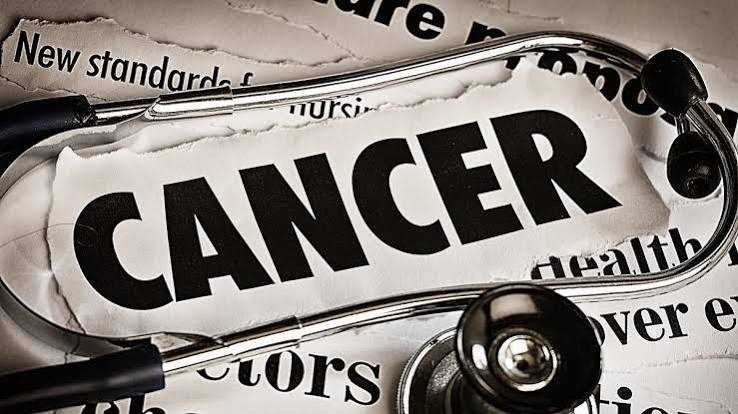
Srinagar, Nov 3: The surgical oncology services at two of Jammu and Kashmir’s premier public healthcare institutions—SKIMS Soura and SMHS Hospital, Srinagar—are facing a serious manpower and infrastructure crisis, raising concerns over access to timely and affordable cancer treatment.
With cancer cases increasing across the Valley, the shortage of specialised surgeons and non-functional operating facilities could further strain an already burdened public healthcare system.
At SKIMS Soura, the Department of Surgical Oncology is reportedly functioning with just one faculty member, who is managing the entire workload amid limited operating days and restricted access to operation theatres. The situation has become more concerning with the surgeon due to retire in the coming months.
The retirement, without timely recruitment or a succession plan, could leave the department without a functioning faculty member, potentially disrupting a critical component of cancer care at the region’s premier referral institution.
Equally concerning is the condition of the newly constructed State Cancer Institute (SCI) building. While several allied oncology services have been accommodated there, the designated Surgical Oncology operating suites reportedly remain non-functional. The unused facilities represent a missed opportunity to expand access to specialised cancer surgery.
A similar manpower shortage exists at SMHS Hospital, Government Medical College Srinagar, where only two faculty members have reportedly been managing the entire surgical oncology workload for more than a decade. Though they have sustained the service, such limited staffing raises questions about its long-term capacity to meet growing patient needs.
The crisis, according to concerns raised by medical professionals, is not due to a lack of qualified specialists. Jammu and Kashmir has trained super-specialists holding MCh and DrNB qualifications in Surgical Oncology who are willing to serve in public institutions. However, the absence of timely recruitment and institutional planning is preventing the public healthcare sector from fully utilising this talent.
The consequences could be severe for economically weaker patients who depend on government hospitals for affordable cancer treatment. Any disruption in public-sector surgical oncology services would leave many with limited options and force them to seek expensive treatment in private hospitals.
The administration must therefore prioritise recruitment of specialised faculty at SKIMS and GMC Srinagar, operationalise the designated surgical theatres at the State Cancer Institute and ensure adequate infrastructure and operating facilities.
Cancer treatment cannot wait for administrative delays. Timely surgery can make the difference between recovery and progression of the disease. Protecting and strengthening public-sector surgical oncology services must be treated as an urgent healthcare priority.
Srinagar, Nov 3: The surgical oncology services at two of Jammu and Kashmir’s premier public healthcare institutions—SKIMS Soura and SMHS Hospital, Srinagar—are facing a serious manpower and infrastructure crisis, raising concerns over access to timely and affordable cancer treatment.
With cancer cases increasing across the Valley, the shortage of specialised surgeons and non-functional operating facilities could further strain an already burdened public healthcare system.
At SKIMS Soura, the Department of Surgical Oncology is reportedly functioning with just one faculty member, who is managing the entire workload amid limited operating days and restricted access to operation theatres. The situation has become more concerning with the surgeon due to retire in the coming months.
The retirement, without timely recruitment or a succession plan, could leave the department without a functioning faculty member, potentially disrupting a critical component of cancer care at the region’s premier referral institution.
Equally concerning is the condition of the newly constructed State Cancer Institute (SCI) building. While several allied oncology services have been accommodated there, the designated Surgical Oncology operating suites reportedly remain non-functional. The unused facilities represent a missed opportunity to expand access to specialised cancer surgery.
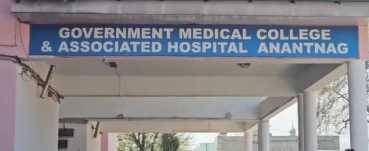
A similar manpower shortage exists at SMHS Hospital, Government Medical College Srinagar, where only two faculty members have reportedly been managing the entire surgical oncology workload for more than a decade. Though they have sustained the service, such limited staffing raises questions about its long-term capacity to meet growing patient needs.
The crisis, according to concerns raised by medical professionals, is not due to a lack of qualified specialists. Jammu and Kashmir has trained super-specialists holding MCh and DrNB qualifications in Surgical Oncology who are willing to serve in public institutions. However, the absence of timely recruitment and institutional planning is preventing the public healthcare sector from fully utilising this talent.
The consequences could be severe for economically weaker patients who depend on government hospitals for affordable cancer treatment. Any disruption in public-sector surgical oncology services would leave many with limited options and force them to seek expensive treatment in private hospitals.
The administration must therefore prioritise recruitment of specialised faculty at SKIMS and GMC Srinagar, operationalise the designated surgical theatres at the State Cancer Institute and ensure adequate infrastructure and operating facilities.
Cancer treatment cannot wait for administrative delays. Timely surgery can make the difference between recovery and progression of the disease. Protecting and strengthening public-sector surgical oncology services must be treated as an urgent healthcare priority.

© Copyright 2023 brighterkashmir.com All Rights Reserved. Quantum Technologies