
BREAKING NEWS
Srinagar, Oct 11: Kashmir’s traditional handicrafts sector is showing signs of revival, with exports crossing ₹1,100 crore and the Jammu and Kashmir government aiming to raise the figure to ₹2,000 crore through improved quality, modern designs and wider international market access.
After years of disruption caused by militancy and the Covid-19 pandemic, the sector is gradually reconnecting with domestic and overseas buyers. Better marketing channels, product innovation and growing recognition of authentic Kashmiri craftsmanship are creating fresh opportunities for artisans.
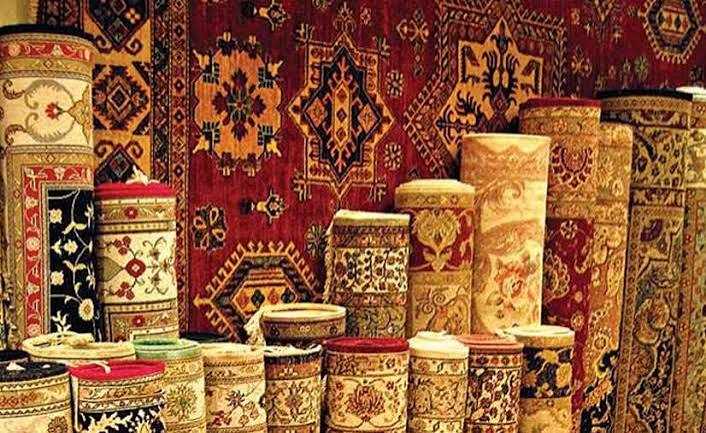
According to the Jammu and Kashmir Economic Survey 2025–26, the handicrafts and handloom sectors provide livelihoods to around 4.45 lakh artisans and craftsmen across the Union Territory. Woollen shawls account for exports worth ₹477.25 crore, while carpets contribute approximately ₹317 crore.
The government’s export strategy focuses on upgrading traditional crafts, improving artisans’ skills, expanding marketing support and promoting products with Geographical Indication (GI) tags. Export incentives, design development and stronger infrastructure are also expected to help local producers compete in premium international markets.
Dubai, London, Singapore, Paris, New York, Milan and Tokyo are among the global destinations being explored to expand the reach of Kashmiri products.
Artisans are increasingly combining inherited skills with contemporary designs and improved production standards to meet changing consumer preferences. This approach is helping preserve traditional techniques while making products more attractive to international buyers.
Skill development remains another priority. Around 11,000 people received carpet-weaving training in 2025, an initiative aimed at preserving the craft and creating opportunities for a new generation of artisans. In April 2026, the government also constituted a Handicrafts Quality Control Council to strengthen quality assurance and protect the reputation of local products.
GI certification has emerged as an important tool in safeguarding Kashmir’s craft heritage. Pashmina and Kani shawls, Sozni embroidery, papier-mâché, walnut wood carving, Gabba and hand-knotted carpets are among the crafts whose identities and traditional origins benefit from such recognition. Other region-specific products, including Basohli paintings and Pashmina, Rajouri Chikri woodcraft, Ramban Sulai honey and Udhampur Kaladi, have also received GI recognition.
These labels help distinguish genuine products from imitations, strengthen buyer confidence and improve the prospects of artisans seeking better prices for their work.
However, reaching the ₹2,000-crore export target will require sustained efforts to improve market access, ensure consistent quality, protect traditional designs and connect small artisans with larger buyers.
For Kashmir’s artisan community, the renewed push offers an opportunity to turn centuries-old craftsmanship into a stronger source of employment, exports and economic growth while keeping the Valley’s cultural heritage alive.
Srinagar, Oct 11: Kashmir’s traditional handicrafts sector is showing signs of revival, with exports crossing ₹1,100 crore and the Jammu and Kashmir government aiming to raise the figure to ₹2,000 crore through improved quality, modern designs and wider international market access.
After years of disruption caused by militancy and the Covid-19 pandemic, the sector is gradually reconnecting with domestic and overseas buyers. Better marketing channels, product innovation and growing recognition of authentic Kashmiri craftsmanship are creating fresh opportunities for artisans.
According to the Jammu and Kashmir Economic Survey 2025–26, the handicrafts and handloom sectors provide livelihoods to around 4.45 lakh artisans and craftsmen across the Union Territory. Woollen shawls account for exports worth ₹477.25 crore, while carpets contribute approximately ₹317 crore.
The government’s export strategy focuses on upgrading traditional crafts, improving artisans’ skills, expanding marketing support and promoting products with Geographical Indication (GI) tags. Export incentives, design development and stronger infrastructure are also expected to help local producers compete in premium international markets.
Dubai, London, Singapore, Paris, New York, Milan and Tokyo are among the global destinations being explored to expand the reach of Kashmiri products.
Artisans are increasingly combining inherited skills with contemporary designs and improved production standards to meet changing consumer preferences. This approach is helping preserve traditional techniques while making products more attractive to international buyers.
Skill development remains another priority. Around 11,000 people received carpet-weaving training in 2025, an initiative aimed at preserving the craft and creating opportunities for a new generation of artisans. In April 2026, the government also constituted a Handicrafts Quality Control Council to strengthen quality assurance and protect the reputation of local products.
GI certification has emerged as an important tool in safeguarding Kashmir’s craft heritage. Pashmina and Kani shawls, Sozni embroidery, papier-mâché, walnut wood carving, Gabba and hand-knotted carpets are among the crafts whose identities and traditional origins benefit from such recognition. Other region-specific products, including Basohli paintings and Pashmina, Rajouri Chikri woodcraft, Ramban Sulai honey and Udhampur Kaladi, have also received GI recognition.
These labels help distinguish genuine products from imitations, strengthen buyer confidence and improve the prospects of artisans seeking better prices for their work.
However, reaching the ₹2,000-crore export target will require sustained efforts to improve market access, ensure consistent quality, protect traditional designs and connect small artisans with larger buyers.
For Kashmir’s artisan community, the renewed push offers an opportunity to turn centuries-old craftsmanship into a stronger source of employment, exports and economic growth while keeping the Valley’s cultural heritage alive.

© Copyright 2023 brighterkashmir.com All Rights Reserved. Quantum Technologies