
BREAKING NEWS
From the formative years of Pakistan, its military establishment positioned itself as the only guardian of the state and its sovereignty. The result was that it took merely a decade of Pakistan’s independent existence for the Pakistan Army to overtake the affairs of the state
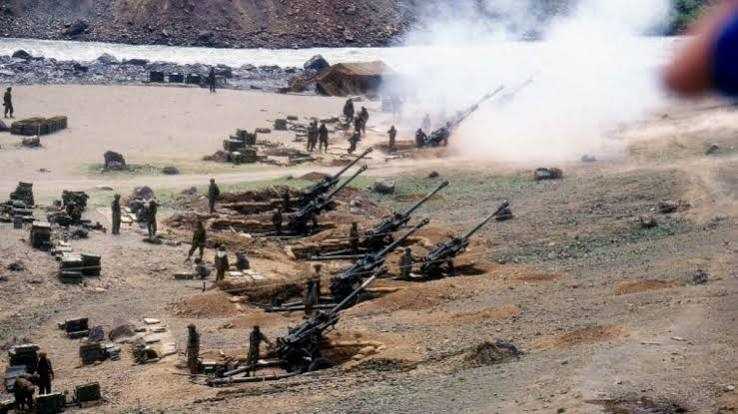
In high Himalayas, winters conceal more than snow, burying roads, silencing artillery positions and leaving entire mountain ranges inaccessible for months. In early 1999, as spring thawed the frozen ridges around Kargil, Ladakh, Indian Army patrolling units discovered that something far more consequential had emerged than the usual melting snow. Both Pakistan Army regulars and its patronised jihadists had quietly occupied commanding heights across the Line of Control, setting in motion the first direct conflict between two declared nuclear powers.
The Kargil War has been remembered for its extraordinary battlefield conditions where soldiers fought at altitudes where oxygen is scarce and every uphill assault demanded immense physical endurance. But the conflict’s significance lies elsewhere as it exposed an uncomfortable truth about Pakistan's political system where one of the country's most consequential military operations was conceived and executed by a small circle of army leaders, with the elected civilian government either inadequately informed or excluded from the decision-making process. That exposure transformed Kargil from a military episode into a constitutional one. It raised questions which have continued to shadow Pakistan's politics a quarter-century later as to who truly decides questions of war and peace in the country?
From the formative years of Pakistan, its military establishment positioned itself as the only guardian of the state and its sovereignty. The result was that it took merely a decade of Pakistan’s independent existence for the Pakistan Army to overtake the affairs of the state. After President Iskander Mirza abrogated the 1956 adopted constitution in 1958, invoked martial law and appointed Army Commander-in-Chief General Ayub Khan as the Chief Martial Law Administrator and was in turn removed by the Army shortly afterwards, it effectively put a stop on what should have been an organic democratic evolution of the state like India. Since then, the military establishment has ruled directly for decades through military governments and indirectly as and when civilian administrations governed. The military establishment has retained control over national security, India policy, Afghanistan and nuclear strategy whereas elected governments have operated with limited authority as is witnessed currently with Army Chief Asim Munir functioning as a de facto power broker with Prime Minister Shehbaz Sharif as his civilian façade.
Kargil became perhaps the clearest examples of this imbalance. The operation itself violated an established understanding that had largely preserved stability in one of the world's most militarized frontiers. Pakistani forces, including elements of its elite Special Services Group (SSG), the Northern Light Infantry and armed jihadists whom Pakistan initially described as independent fighters and has patronised for years for its proxy warfare against regional countries, crossed the Line of Control (LoC) during the winter months and occupied strategic heights overlooking Indian Army’s supply routes along the Srinagar-Leh National Highway.
The plan relied upon surprise and plausible deniability and it failed on both the counts. India launched Operation Vijay to reclaim the occupied peak positions that produced weeks of intense mountain warfare, never seen before in the history of military confrontations. Indian armed forces drove out the Pakistani infiltrators coupled with heightened diplomacy which exposed Pakistan as a destablising actor in the region and a detriment to the peace and stability in the region. As such, Pakistan Army failed to achieve any of its objectives militarily while rendering the country increasingly isolated at the international level.
Its most lasting consequences, however, were political. Prime Minister Nawaz Sharif maintained that his civilian government was unaware of the full scope of the operation until Indian Prime Minister Atal Bihari Vajpayee confronted him Indian military had discovered the presence of Pakistanis inside the LoC in Kargil sector. Sharif claimed that General Pervez Musharraf, whom he had elevated as Army Chief by bypassing few senior generals merely a year ago, and "just two or three of his cronies", had knowledge of the plan. While the precise extent of civilian awareness continues to be debated by historians and analysts alike, the episode has become emblematic of the imbalance between Pakistan's elected institutions and its military establishment. Only months later, Musharraf removed Sharif in a military coup.
But it should be remembered that Kargil was not an isolated adventure of Pakistan Army but part of a longer institutional pattern it has followed for decades. Back in 1965, Pakistan Army pushed soldiers from its “Azad Kashmir” Regular Force (AKRF), then a paramilitary force under it, across the LoC into Jammu and Kashmir disguised as locals. Dubbed as Operation Gibraltar, the objective was to incite insurgency in the expectation that local population would support the infiltrators and rise against Indian government. However, it was the locals only who exposed and reported them to the Indian Army and consequently, the operation escalated into a broader war whose costs far exceeded its anticipated gains, including losing strategic Haji Pir Pass in the Poonch sector of LoC. Therefore, both Gibraltar and Kargil reflected a strategic culture that favored covert military initiatives while underestimating the political and diplomatic consequences.
That legacy remains relevant today. Under Army Chief Field Marshal Asim Munir, Pakistan has witnessed an even greater concentration of military influence over the governance of the state. After the violent anti-establishment protests of May 9, 2023, Asim Munir has moved with much swiftness to concentrate as much power constitutional gerrymandering, including assuming overall military leadership by having Chief of Defence Forces (CDF) position in place along with reconfiguring Nuclear Command Authority and its Strategic Plans Division. It has coincided with sweeping arrests, military trials for civilians, tighter controls over political mobilization, and increased restrictions on media and dissent. Human rights advocates and organizations have expressed concerns that democratic space in the country has been further narrowed in the last few years as the military's role in governance expands rapidly under Asim Munir.
As such, whether it is viewed through the lens of domestic politics or regional security, the underlying institutional question remains unchanged from 1999. Can a democracy function effectively when its most consequential national security decisions are shaped by an institution that operates with limited civilian accountability?
The implications extend well beyond Pakistan's borders. India and Pakistan possess nuclear arsenals, and every military crisis carries risks of escalation as was witnessed during Operation Sindoor (May 7-10) when India responded to the Pahalgam terrorist attack (April 22, 2025) by targeting the terror infrastructure in both Pakistan and Pakistan Occupied Jammu and Kashmir. Stable deterrence, it should be noted, depends not only on military capability but also on transparent chains of command and confidence that political leaders and not autonomous military actors exercise ultimate authority over decisions involving war.
Kargil demonstrated the dangers when that assumption is called into question. It was therefore not simply that two countries fought a costly war in some of the world's harshest terrain; rather, it revealed structural weaknesses in Pakistan's constitutional order that have yet to be fully addressed. And twenty-seven years later, while the personalities may have changed, but the institution at the center of the story has not.
As long as Pakistan does not establish a political system in which elected civilian leaders exercise unquestioned authority over military strategy, Kargil will remain more than history. It will remain a warning about the costs of concentrating extraordinary power in an institution that stands above democratic accountability, and about the regional dangers that follow when questions of war and peace are determined outside the full reach of civilian government.
From the formative years of Pakistan, its military establishment positioned itself as the only guardian of the state and its sovereignty. The result was that it took merely a decade of Pakistan’s independent existence for the Pakistan Army to overtake the affairs of the state
In high Himalayas, winters conceal more than snow, burying roads, silencing artillery positions and leaving entire mountain ranges inaccessible for months. In early 1999, as spring thawed the frozen ridges around Kargil, Ladakh, Indian Army patrolling units discovered that something far more consequential had emerged than the usual melting snow. Both Pakistan Army regulars and its patronised jihadists had quietly occupied commanding heights across the Line of Control, setting in motion the first direct conflict between two declared nuclear powers.
The Kargil War has been remembered for its extraordinary battlefield conditions where soldiers fought at altitudes where oxygen is scarce and every uphill assault demanded immense physical endurance. But the conflict’s significance lies elsewhere as it exposed an uncomfortable truth about Pakistan's political system where one of the country's most consequential military operations was conceived and executed by a small circle of army leaders, with the elected civilian government either inadequately informed or excluded from the decision-making process. That exposure transformed Kargil from a military episode into a constitutional one. It raised questions which have continued to shadow Pakistan's politics a quarter-century later as to who truly decides questions of war and peace in the country?
From the formative years of Pakistan, its military establishment positioned itself as the only guardian of the state and its sovereignty. The result was that it took merely a decade of Pakistan’s independent existence for the Pakistan Army to overtake the affairs of the state. After President Iskander Mirza abrogated the 1956 adopted constitution in 1958, invoked martial law and appointed Army Commander-in-Chief General Ayub Khan as the Chief Martial Law Administrator and was in turn removed by the Army shortly afterwards, it effectively put a stop on what should have been an organic democratic evolution of the state like India. Since then, the military establishment has ruled directly for decades through military governments and indirectly as and when civilian administrations governed. The military establishment has retained control over national security, India policy, Afghanistan and nuclear strategy whereas elected governments have operated with limited authority as is witnessed currently with Army Chief Asim Munir functioning as a de facto power broker with Prime Minister Shehbaz Sharif as his civilian façade.
Kargil became perhaps the clearest examples of this imbalance. The operation itself violated an established understanding that had largely preserved stability in one of the world's most militarized frontiers. Pakistani forces, including elements of its elite Special Services Group (SSG), the Northern Light Infantry and armed jihadists whom Pakistan initially described as independent fighters and has patronised for years for its proxy warfare against regional countries, crossed the Line of Control (LoC) during the winter months and occupied strategic heights overlooking Indian Army’s supply routes along the Srinagar-Leh National Highway.
The plan relied upon surprise and plausible deniability and it failed on both the counts. India launched Operation Vijay to reclaim the occupied peak positions that produced weeks of intense mountain warfare, never seen before in the history of military confrontations. Indian armed forces drove out the Pakistani infiltrators coupled with heightened diplomacy which exposed Pakistan as a destablising actor in the region and a detriment to the peace and stability in the region. As such, Pakistan Army failed to achieve any of its objectives militarily while rendering the country increasingly isolated at the international level.
Its most lasting consequences, however, were political. Prime Minister Nawaz Sharif maintained that his civilian government was unaware of the full scope of the operation until Indian Prime Minister Atal Bihari Vajpayee confronted him Indian military had discovered the presence of Pakistanis inside the LoC in Kargil sector. Sharif claimed that General Pervez Musharraf, whom he had elevated as Army Chief by bypassing few senior generals merely a year ago, and "just two or three of his cronies", had knowledge of the plan. While the precise extent of civilian awareness continues to be debated by historians and analysts alike, the episode has become emblematic of the imbalance between Pakistan's elected institutions and its military establishment. Only months later, Musharraf removed Sharif in a military coup.
But it should be remembered that Kargil was not an isolated adventure of Pakistan Army but part of a longer institutional pattern it has followed for decades. Back in 1965, Pakistan Army pushed soldiers from its “Azad Kashmir” Regular Force (AKRF), then a paramilitary force under it, across the LoC into Jammu and Kashmir disguised as locals. Dubbed as Operation Gibraltar, the objective was to incite insurgency in the expectation that local population would support the infiltrators and rise against Indian government. However, it was the locals only who exposed and reported them to the Indian Army and consequently, the operation escalated into a broader war whose costs far exceeded its anticipated gains, including losing strategic Haji Pir Pass in the Poonch sector of LoC. Therefore, both Gibraltar and Kargil reflected a strategic culture that favored covert military initiatives while underestimating the political and diplomatic consequences.
That legacy remains relevant today. Under Army Chief Field Marshal Asim Munir, Pakistan has witnessed an even greater concentration of military influence over the governance of the state. After the violent anti-establishment protests of May 9, 2023, Asim Munir has moved with much swiftness to concentrate as much power constitutional gerrymandering, including assuming overall military leadership by having Chief of Defence Forces (CDF) position in place along with reconfiguring Nuclear Command Authority and its Strategic Plans Division. It has coincided with sweeping arrests, military trials for civilians, tighter controls over political mobilization, and increased restrictions on media and dissent. Human rights advocates and organizations have expressed concerns that democratic space in the country has been further narrowed in the last few years as the military's role in governance expands rapidly under Asim Munir.
As such, whether it is viewed through the lens of domestic politics or regional security, the underlying institutional question remains unchanged from 1999. Can a democracy function effectively when its most consequential national security decisions are shaped by an institution that operates with limited civilian accountability?
The implications extend well beyond Pakistan's borders. India and Pakistan possess nuclear arsenals, and every military crisis carries risks of escalation as was witnessed during Operation Sindoor (May 7-10) when India responded to the Pahalgam terrorist attack (April 22, 2025) by targeting the terror infrastructure in both Pakistan and Pakistan Occupied Jammu and Kashmir. Stable deterrence, it should be noted, depends not only on military capability but also on transparent chains of command and confidence that political leaders and not autonomous military actors exercise ultimate authority over decisions involving war.
Kargil demonstrated the dangers when that assumption is called into question. It was therefore not simply that two countries fought a costly war in some of the world's harshest terrain; rather, it revealed structural weaknesses in Pakistan's constitutional order that have yet to be fully addressed. And twenty-seven years later, while the personalities may have changed, but the institution at the center of the story has not.
As long as Pakistan does not establish a political system in which elected civilian leaders exercise unquestioned authority over military strategy, Kargil will remain more than history. It will remain a warning about the costs of concentrating extraordinary power in an institution that stands above democratic accountability, and about the regional dangers that follow when questions of war and peace are determined outside the full reach of civilian government.

© Copyright 2023 brighterkashmir.com All Rights Reserved. Quantum Technologies