
BREAKING NEWS
Major step towards clean energy, circular economy: CM
Srinagar, Oct 2: The government has notified the Jammu and Kashmir Compressed Bio-Gas (CBG) Policy 2026, providing a framework to convert organic waste into clean automotive fuel and organic fertiliser, while offering a range of incentives to attract investment in the sector.
Officials said the policy, approved by the Council of Ministers chaired by Chief Minister Omar Abdullah, covers organic waste streams including cattle dung, apple pomace, municipal solid waste, pine needles and crop residues. It seeks to simultaneously address waste management, energy security, rural employment and sustainable agricultural practices.
A key feature of the policy is capital expenditure support of Rs 0.50 crore per tonne per day (TPD), with assistance capped at Rs 10 crore per project. Government land will be made available at nominal lease rates of Rs 1 per square metre, with 100 per cent exemption from stamp duty.
To facilitate ease of doing business, the policy provides for 60-day deemed approvals for non-statutory permissions through the Single Window Portal, enabling eligible clearances to be deemed granted if not disposed of within the stipulated time frame, an official spokesman said.
The policy also provides for 100 percent SGST reimbursement for the first five years of operation, a manpower subsidy of Rs 3,000 per month per local unskilled worker for two years, and interest subvention of up to Rs2 crore on bank term loans.
The Government will also facilitate feedstock aggregation and market linkages for bio-manure, with the policy targeting distribution of bio-manure to 10,000 farmers. The initiative envisages creation of around 2,000 direct rural jobs by 2030, besides generating livelihood opportunities across the CBG value chain.
The policy, valid up to 2032, is aimed at creating a conducive ecosystem for green investment while promoting decentralised waste-to-energy solutions and strengthening rural economies.
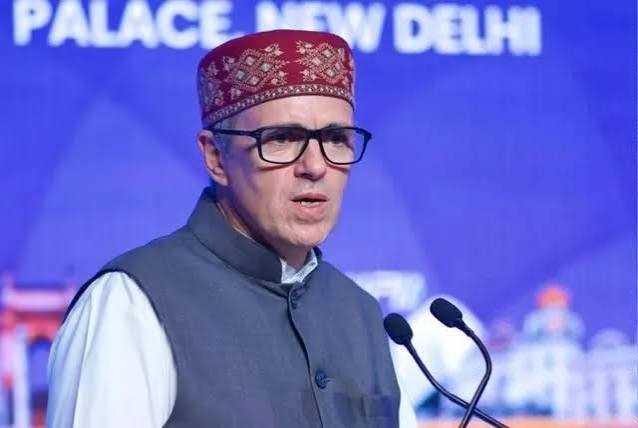
Chief Minister Omar Abdullah termed the Jammu and Kashmir Compressed Bio-Gas (CBG) Policy 2026 a major step towards promoting clean energy, strengthening the circular economy and turning organic waste into wealth in Jammu & Kashmir.
He also congratulated Minister for Science & Technology Satish Sharma and the Department of Science & Technology for notifying the policy, describing it as an important initiative towards sustainable energy development and a cleaner, more resource-efficient Jammu & Kashmir.
Major step towards clean energy, circular economy: CM
Srinagar, Oct 2: The government has notified the Jammu and Kashmir Compressed Bio-Gas (CBG) Policy 2026, providing a framework to convert organic waste into clean automotive fuel and organic fertiliser, while offering a range of incentives to attract investment in the sector.
Officials said the policy, approved by the Council of Ministers chaired by Chief Minister Omar Abdullah, covers organic waste streams including cattle dung, apple pomace, municipal solid waste, pine needles and crop residues. It seeks to simultaneously address waste management, energy security, rural employment and sustainable agricultural practices.
A key feature of the policy is capital expenditure support of Rs 0.50 crore per tonne per day (TPD), with assistance capped at Rs 10 crore per project. Government land will be made available at nominal lease rates of Rs 1 per square metre, with 100 per cent exemption from stamp duty.
To facilitate ease of doing business, the policy provides for 60-day deemed approvals for non-statutory permissions through the Single Window Portal, enabling eligible clearances to be deemed granted if not disposed of within the stipulated time frame, an official spokesman said.
The policy also provides for 100 percent SGST reimbursement for the first five years of operation, a manpower subsidy of Rs 3,000 per month per local unskilled worker for two years, and interest subvention of up to Rs2 crore on bank term loans.
The Government will also facilitate feedstock aggregation and market linkages for bio-manure, with the policy targeting distribution of bio-manure to 10,000 farmers. The initiative envisages creation of around 2,000 direct rural jobs by 2030, besides generating livelihood opportunities across the CBG value chain.
The policy, valid up to 2032, is aimed at creating a conducive ecosystem for green investment while promoting decentralised waste-to-energy solutions and strengthening rural economies.
Chief Minister Omar Abdullah termed the Jammu and Kashmir Compressed Bio-Gas (CBG) Policy 2026 a major step towards promoting clean energy, strengthening the circular economy and turning organic waste into wealth in Jammu & Kashmir.
He also congratulated Minister for Science & Technology Satish Sharma and the Department of Science & Technology for notifying the policy, describing it as an important initiative towards sustainable energy development and a cleaner, more resource-efficient Jammu & Kashmir.

© Copyright 2023 brighterkashmir.com All Rights Reserved. Quantum Technologies