
BREAKING NEWS
National Education Day: Remembering Maulana Abul Kalam Azad and his vision of an inclusive, enlightened India.
India observes National Education Day on November 11 every year to commemorate the birth anniversary of Maulana Abul Kalam Azad, the country's first Education Minister after independence. A distinguished scholar, freedom fighter, writer and national leader, Azad believed that education was the foundation of a progressive, peaceful and strong nation.
Born on November 11, 1888, Maulana Azad devoted much of his life to promoting education and intellectual development. At a time when newly independent India faced enormous challenges, he recognised that the country's future depended on educating its people. His vision was clear: education must not remain the privilege of a few but should become an opportunity accessible to every child, irrespective of economic or social background.
As India's first Education Minister, Azad played an important role in laying the foundation of the country's modern education system. He encouraged the expansion of schools and universities, promoted scientific and technical education and supported research, cultural development and opportunities for women. His emphasis was not merely on literacy but on creating informed, responsible and enlightened citizens.
Decades later, his vision continues to hold immense relevance. India has made considerable progress in expanding educational infrastructure, introducing new policies and improving access to digital learning. The National Education Policy (NEP) 2020 has further emphasised foundational literacy, critical thinking, practical learning and the holistic development of children.
Yet, significant challenges remain. Poor infrastructure, inadequate learning resources, teacher shortages and unequal educational opportunities continue to affect the quality of education in several parts of the country. The gap between urban institutions and schools in remote rural areas remains a serious concern.
In Jammu and Kashmir, particularly in far-flung and mountainous areas, geographical difficulties and long distances often make access to education challenging. Many children have to travel considerable distances to reach their schools, while some institutions continue to face shortages of basic facilities. Ensuring quality education in these areas requires sustained administrative attention, adequate infrastructure and dedicated teaching staff.
Another major concern is the growing tendency to judge educational achievement exclusively through examination results. Marks and certificates certainly matter, but education must go beyond textbooks and examinations. It should develop creativity, confidence, moral values, independent thinking and the ability to make informed decisions.
Teachers are central to this transformation. Their responsibility is not confined to completing syllabi or preparing students for examinations. They are mentors who shape young minds, encourage curiosity and help children discover their abilities. Providing teachers with regular training, modern teaching resources and a supportive working environment is therefore essential.
Parents, too, must recognise their responsibility in shaping a child's educational journey. Encouraging reading habits, taking an interest in school activities and creating a positive learning environment at home can significantly improve children's confidence and performance. Education should be a partnership between schools, families and society.
The digital revolution has opened new avenues for learning. Mobile phones, computers and online platforms have made educational resources more accessible than ever. However, responsible use of technology is equally important. Students must develop the ability to distinguish reliable information from misinformation and use digital platforms for meaningful learning rather than unnecessary distraction.
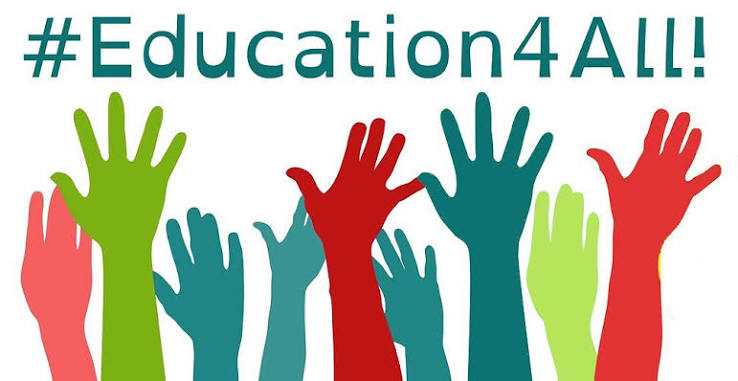
Equal educational opportunities must remain a national priority. Girls, tribal communities, economically weaker sections and children living in remote areas deserve the same opportunities as those studying in well-equipped urban institutions. No child should be denied education because of poverty, geographical isolation or social circumstances.
National Education Day must therefore be more than a ceremonial observance. It should serve as an occasion to assess the condition of our schools, identify learning gaps and renew our commitment to improving educational standards.
Remembering Maulana Abul Kalam Azad is not simply about paying tribute to a historical personality. It is about carrying forward his conviction that education is the strongest instrument of national development and social transformation.
A nation's greatness cannot be measured merely through economic growth, infrastructure or technological advancement. Its real strength lies in the knowledge, character and values of its people.
The most meaningful tribute to Maulana Azad would be to ensure that every child, whether in a metropolitan city or a remote village of Jammu and Kashmir, receives quality education and an equal opportunity to shape a better future.
Email:------------------ganimudasir@gmail.com

© Copyright 2023 brighterkashmir.com All Rights Reserved. Quantum Technologies