
BREAKING NEWS
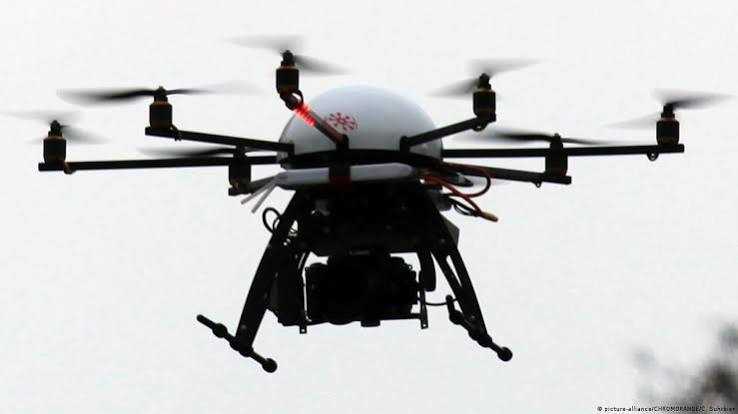
The proposed induction of kamikaze drones by the Central Reserve Police Force (CRPF) could mark a significant shift in India's counter-terrorism strategy, particularly in Jammu and Kashmir, where security forces continue to confront evolving militant threats. The move reflects a growing recognition that modern terrorism requires modern technological responses. Kashmir's security landscape has changed considerably over the years. While conventional counter-insurgency operations remain important, militants are increasingly exploiting difficult terrain, forest cover, remote hideouts and surprise attacks to evade security forces. In such circumstances, technology-driven surveillance and precision capabilities can provide a crucial operational advantage. Kamikaze drones, also known as loitering munitions, can identify and strike designated targets with considerable precision. If inducted and deployed effectively, they could help security forces neutralise militant hideouts, disrupt terrorist movements and target armed groups operating in inaccessible areas. Their potential utility in forested belts, mountainous terrain and difficult border areas could be particularly significant. For Kashmir, this development could strengthen the operational capabilities of security agencies and make terrorist networks more vulnerable. It could also reduce the need to expose personnel to unnecessary risks during dangerous operations. The ability to monitor suspicious movements and respond swiftly could help security forces prevent attacks before they materialise.However, technology alone cannot eliminate terrorism. Intelligence gathering, coordination among security agencies, local policing and public cooperation remain equally important. Drones must complement, not replace, ground intelligence and professional counter-terrorism operations. There must also be strict operational safeguards, clear accountability mechanisms and rigorous verification of targets to prevent civilian casualties and collateral damage. In a sensitive region like Kashmir, protecting innocent lives must remain central to every security operation. The induction of advanced drones also sends a wider message: India's security establishment is preparing to confront emerging threats with greater technological readiness. Terror networks cannot be allowed to exploit technological gaps while security forces operate with outdated capabilities. Ultimately, the objective must be to dismantle terrorist infrastructure, prevent recruitment, disrupt cross-border infiltration and restore lasting peace. Kashmir deserves an environment where children can study, businesses can flourish and people can live without fear. Kamikaze drones could become another powerful instrument in this fight. But their real success will be measured not by the number of targets struck, but by how effectively they help prevent terrorism, protect civilians and bring Kashmir closer to lasting peace.
The proposed induction of kamikaze drones by the Central Reserve Police Force (CRPF) could mark a significant shift in India's counter-terrorism strategy, particularly in Jammu and Kashmir, where security forces continue to confront evolving militant threats. The move reflects a growing recognition that modern terrorism requires modern technological responses. Kashmir's security landscape has changed considerably over the years. While conventional counter-insurgency operations remain important, militants are increasingly exploiting difficult terrain, forest cover, remote hideouts and surprise attacks to evade security forces. In such circumstances, technology-driven surveillance and precision capabilities can provide a crucial operational advantage. Kamikaze drones, also known as loitering munitions, can identify and strike designated targets with considerable precision. If inducted and deployed effectively, they could help security forces neutralise militant hideouts, disrupt terrorist movements and target armed groups operating in inaccessible areas. Their potential utility in forested belts, mountainous terrain and difficult border areas could be particularly significant. For Kashmir, this development could strengthen the operational capabilities of security agencies and make terrorist networks more vulnerable. It could also reduce the need to expose personnel to unnecessary risks during dangerous operations. The ability to monitor suspicious movements and respond swiftly could help security forces prevent attacks before they materialise.However, technology alone cannot eliminate terrorism. Intelligence gathering, coordination among security agencies, local policing and public cooperation remain equally important. Drones must complement, not replace, ground intelligence and professional counter-terrorism operations. There must also be strict operational safeguards, clear accountability mechanisms and rigorous verification of targets to prevent civilian casualties and collateral damage. In a sensitive region like Kashmir, protecting innocent lives must remain central to every security operation. The induction of advanced drones also sends a wider message: India's security establishment is preparing to confront emerging threats with greater technological readiness. Terror networks cannot be allowed to exploit technological gaps while security forces operate with outdated capabilities. Ultimately, the objective must be to dismantle terrorist infrastructure, prevent recruitment, disrupt cross-border infiltration and restore lasting peace. Kashmir deserves an environment where children can study, businesses can flourish and people can live without fear. Kamikaze drones could become another powerful instrument in this fight. But their real success will be measured not by the number of targets struck, but by how effectively they help prevent terrorism, protect civilians and bring Kashmir closer to lasting peace.

© Copyright 2023 brighterkashmir.com All Rights Reserved. Quantum Technologies