
BREAKING NEWS
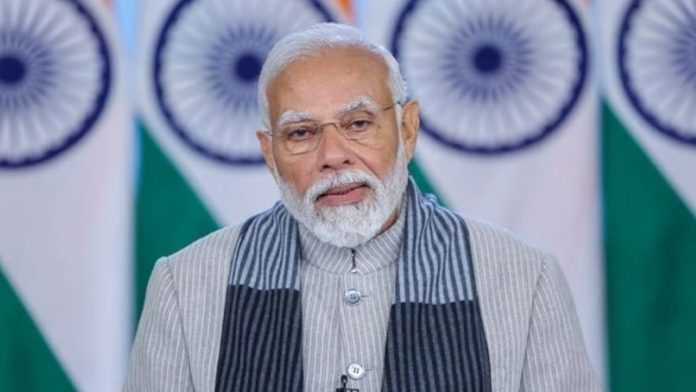
Prime Minister Narendra Modi completing 25 years of uninterrupted leadership in public life is a political milestone that deserves to be viewed beyond partisan celebration. The Union Cabinet’s tribute to his long tenure highlights an unusual record of political continuity, electoral resilience and sustained influence on India’s governance landscape. From becoming Gujarat Chief Minister in 2001 to leading the Union government since 2014, Modi has remained at the centre of Indian politics for a quarter of a century. Few contemporary Indian leaders have maintained such a prolonged electoral and administrative presence. His tenure has also coincided with a period of profound change in India’s economy, technology, foreign policy and social landscape. Supporters point to infrastructure expansion, digital public services, financial inclusion, welfare delivery, a stronger global profile and an increasingly assertive foreign policy as defining features of his leadership. Initiatives such as digital payments, direct benefit transfers, highways, railways, renewable energy and manufacturing have sought to reshape both the economy and the citizen-state relationship. Yet longevity alone cannot be the sole measure of leadership. Twenty-five years in public office also demand a rigorous assessment of what has worked, what remains unfinished and what needs correction. Employment, agricultural distress, inequality, institutional accountability, social cohesion and the quality of public services remain critical tests. A mature democracy must celebrate achievements while retaining the freedom to question policies and demand better outcomes. Modi’s political journey has also transformed the grammar of Indian politics. His emphasis on direct communication, technology-driven governance and a strong national narrative has created a distinctive political model. At the same time, such concentration of political influence places a greater responsibility on institutions, governments and political parties to preserve democratic checks and balances. The significance of 25 years, therefore, lies not merely in the duration but in the opportunity for reflection. Leadership is ultimately judged by whether institutions become stronger, opportunities wider and citizens more secure and empowered. The Union Cabinet is justified in marking the occasion. But the larger tribute should come from history—and history will judge this long political journey not simply by its electoral victories, but by the enduring quality of the India it leaves behind.
Prime Minister Narendra Modi completing 25 years of uninterrupted leadership in public life is a political milestone that deserves to be viewed beyond partisan celebration. The Union Cabinet’s tribute to his long tenure highlights an unusual record of political continuity, electoral resilience and sustained influence on India’s governance landscape. From becoming Gujarat Chief Minister in 2001 to leading the Union government since 2014, Modi has remained at the centre of Indian politics for a quarter of a century. Few contemporary Indian leaders have maintained such a prolonged electoral and administrative presence. His tenure has also coincided with a period of profound change in India’s economy, technology, foreign policy and social landscape. Supporters point to infrastructure expansion, digital public services, financial inclusion, welfare delivery, a stronger global profile and an increasingly assertive foreign policy as defining features of his leadership. Initiatives such as digital payments, direct benefit transfers, highways, railways, renewable energy and manufacturing have sought to reshape both the economy and the citizen-state relationship. Yet longevity alone cannot be the sole measure of leadership. Twenty-five years in public office also demand a rigorous assessment of what has worked, what remains unfinished and what needs correction. Employment, agricultural distress, inequality, institutional accountability, social cohesion and the quality of public services remain critical tests. A mature democracy must celebrate achievements while retaining the freedom to question policies and demand better outcomes. Modi’s political journey has also transformed the grammar of Indian politics. His emphasis on direct communication, technology-driven governance and a strong national narrative has created a distinctive political model. At the same time, such concentration of political influence places a greater responsibility on institutions, governments and political parties to preserve democratic checks and balances. The significance of 25 years, therefore, lies not merely in the duration but in the opportunity for reflection. Leadership is ultimately judged by whether institutions become stronger, opportunities wider and citizens more secure and empowered. The Union Cabinet is justified in marking the occasion. But the larger tribute should come from history—and history will judge this long political journey not simply by its electoral victories, but by the enduring quality of the India it leaves behind.

© Copyright 2023 brighterkashmir.com All Rights Reserved. Quantum Technologies